

The ceasefire, which started at midnight on May 9 and runs through May 11, was designed to coincide with Russia’s Victory Day celebrations commemorating the Soviet Union’s defeat of Nazi Germany in World War II. The agreement also includes a major prisoner exchange of 1,000 prisoners from each side.
Tragic Timing Undermines Diplomatic Progress
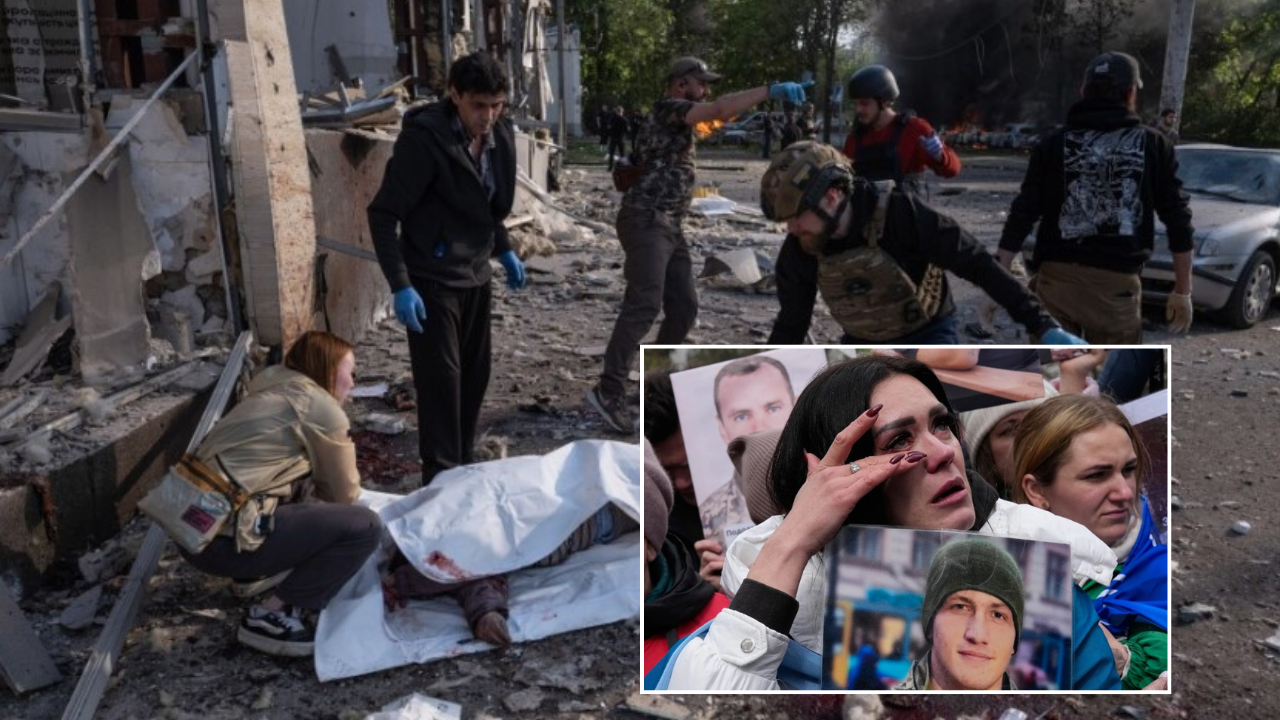
Despite the high-profile diplomatic breakthrough mediated by the Trump administration, Russian drones struck Ukrainian territory shortly after the truce took effect. The attack resulted in civilian casualties, undermining the humanitarian spirit of the ceasefire and renewing accusations between Moscow and Kyiv about violation of the agreed pause in hostilities.
Ukrainian President Volodymyr Zelenskyy had previously confirmed the ceasefire deal, emphasizing that recovering captured Ukrainian troops took precedence over military strikes on Moscow during Victory Day. “Red Square is less important to us than the lives of Ukrainian prisoners who can be brought home,” Zelenskyy said, crediting the American-mediated negotiating process for securing the breakthrough.
Pattern of Ceasefire Violations Continues
This incident follows a troubling pattern of ceasefire breakdowns in the ongoing Russia-Ukraine conflict. Earlier in May, Russia ignored Ukraine’s unilateral ceasefire announcement and launched mass drone strikes that killed at least 21 civilians across Ukrainian cities. Ukrainian Foreign Minister Andrii Sybiha condemned those attacks, stating that “Putin only cares about military parades, not human lives”.
The current US-brokered truce came after a confusing week of rival unilateral ceasefires, with Russia announcing a May 8-10 pause and Ukraine proposing its own truce for May 5-6, both sides accusing each other of violations.
Trump Hopes for “Beginning of the End”
President Trump announced the three-day ceasefire on his Truth Social platform, expressing optimism that it could lead to a broader peace agreement. “Hopefully, it is the beginning of the end of a very long, deadly, and hard fought War,” Trump wrote.
The US president had previously discussed a temporary ceasefire with Vladimir Putin during a phone call on April 29, according to reports. However, the immediate drone strike after the truce began has cast doubt on whether both sides are genuinely committed to honoring the agreement.
International Community Watches Closely
The ceasefire and prisoner swap represent the most significant diplomatic progress in the four-year conflict since Trump’s inauguration in January 2025. Ukraine’s presidency source told AFP that Kyiv “exchanged the absence of drones in Moscow tomorrow for 1,000 of POWs,” indicating the strategic trade-off behind the agreement.
Despite the truce, both sides continued trading attacks in the hours leading up to the ceasefire. Russia’s Defense Ministry reported downing more than 400 Ukrainian drones since midnight, with 100 targeting Moscow, while Ukraine’s air force said Russia fired 67 drones overnight—the lowest number in almost a month.
You can read more about the latest developments in the Russia-Ukraine war from The Moscow Times and AP News.
Humanitarian Cost of Four-Year Conflict
The tragedy underscores the devastating human toll of Russia’s full-scale invasion that began in February 2022. Hundreds of thousands of soldiers from both sides and tens of thousands of civilians, most of them Ukrainians, have been killed throughout the conflict.
Ukrainian authorities continue to report regular civilian casualties from Russian drone and missile strikes targeting residential areas and infrastructure. The attack during the ceasefire represents a sobering reminder that despite diplomatic efforts, the war’s brutality persists.
As the world watches this fragile three-day truce, the immediate violation raises critical questions about whether sustained peace negotiations can succeed when combat operations continue undermining diplomatic breakthroughs on the ground.







Leave a comment