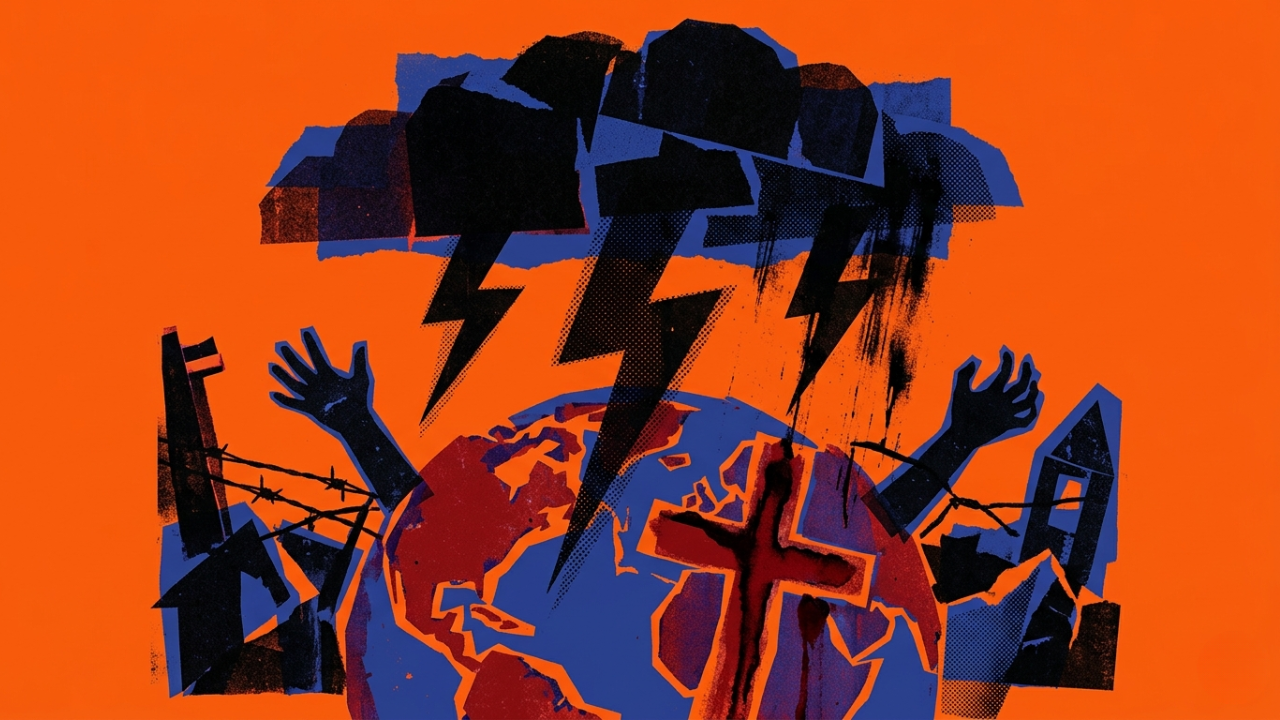
Christian persecution has reached a new global peak in 2026, with fresh research warning that more believers than ever are facing harassment, violence, and discrimination for their faith. According to the latest World Watch List from Open Doors, more than 388 million Christians, over one in seven worldwide, now live under “high” levels of persecution or discrimination, an increase of more than 8 million compared to the previous year. In this True Christian Times analysis, Waqar Washington explores what these numbers mean and why watchdogs believe the situation is likely to deteriorate further in the year ahead.
Open Doors’ 2026 International Advocacy Report paints a sobering picture of a church under pressure on almost every continent. In the 50 countries listed on the World Watch List, at least 315 million Christians are experiencing very high or extreme levels of persecution, ranging from legal restrictions and social hostility to outright violence. The total number of believers facing “high” levels of persecution globally now stands at 388 million, up from about 380 million in the previous reporting period. Commenting on the trend, Open Doors US CEO Ryan Brown said the data shows persecution is “expanding” in both breadth and severity rather than receding.
Release International’s “Persecution Trends 2026” report reaches a similar conclusion. Based on testimonies from partners in multiple countries, the report warns that as the gospel spreads and impacts more lives, Christians are “bracing themselves for a year of increased persecution from repressive governments and religious militants.” The authors predict that more Christians may be martyred in 2026 than in 2025, when at least 7,000 believers were killed for their faith, and caution that martyrdoms could even double if global silence persists. They also expect further waves of displacement, noting that recent attacks have already forced millions into internal‑displacement camps or exile abroad.
Regional hotspots help explain the rising numbers. Sub‑Saharan Africa remains the epicentre of violent persecution, with Nigeria alone accounting for 3,490 of the 4,849 Christians killed for their faith in the latest reporting period, around 72 per cent of the global total. Countries such as Sudan and Mali also score the maximum rating for violence in Open Doors’ system, reflecting widespread attacks on churches and Christian communities. In the Middle East and North Africa, believers face a mix of militant violence, state surveillance, and severe legal discrimination, particularly in countries where conversion from Islam is criminalised or socially taboo. Across South and East Asia, rising religious nationalism in nations like India and growing authoritarian control in places such as China and North Korea are tightening the space for Christian witness.
Several key drivers lie behind these global trends. Analysts at Open Doors and Release International point to an overlapping set of pressures: authoritarian governments seeking tighter control over civil society, religious extremists exploiting instability, and social hostility amplified through media and local power structures. In some countries, anti‑conversion laws, blasphemy statutes, and broad “national security” regulations are being used to harass pastors, shut down churches, and criminalise basic Christian activities. In others, converts from Islam or traditional religions face intense pressure from families and communities, including threats, forced marriages, and expulsion from family homes. As Waqar Washington notes, the legal and social environments often work together, leaving believers with few safe options.
The human cost goes far beyond the headline numbers. Open Doors reports that millions of Christians have had church buildings closed or demolished, been denied access to education or government jobs, or faced systematic economic marginalisation because of their faith. Release International warns that trauma is mounting in communities repeatedly hit by attacks, with pastors and church workers bearing a heavy emotional burden as they care for victims and grieving families. Yet, in many of these environments, persecuted Christians remain resilient, continuing to meet, worship, and share their faith despite the risks. Their stories, highlighted in both reports, reveal a church that is wounded but still deeply alive.
For readers who want to explore the data and country‑by‑country situations in more depth, the Open Doors World Watch List 2026 site offers an interactive overview and detailed profiles for all 50 high‑risk nations. Release International’s “Persecution Trends 2026” report provides additional analysis of emerging hotspots and likely developments in the coming year. Taken together, these resources confirm the central message of this True Christian Times analysis by Waqar Washington: global Christian persecution is not a fading legacy of the past but a rapidly intensifying crisis that demands informed prayer, advocacy, and action from the wider body of Christ.
Do you want to move next to the Ukraine war geopolitics article (topic 6), or should I continue with another persecution‑related country focus first?

InternationalPersecution
 Waqar WashingtonApril 11, 20263 Mins read
Global Christian Persecution in 2026: New Data Warns of a Growing Storm
Waqar WashingtonApril 11, 20263 Mins read
Share

Related Articles

ActivePersecution Waqar WashingtonMay 28, 2026
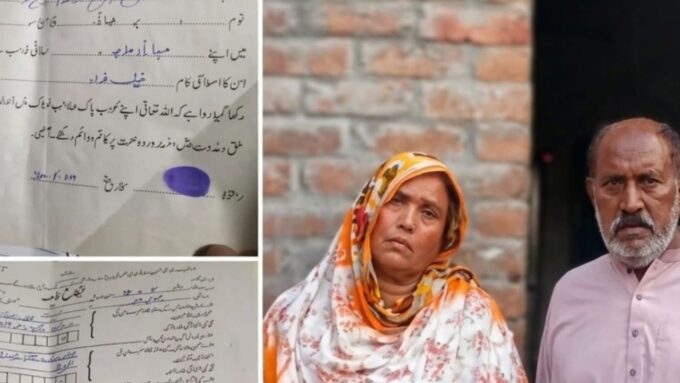
Faisalabad Christian Family Seeks Justice as 16-Year-Old Yashf Noor Goes Missing
A deeply troubling case has emerged from Chak Number 220 RB Bawawala...
Waqar WashingtonMay 28, 2026


ActiveInternationalUncategorized Waqar WashingtonMay 13, 2026
Godly movement or divisive ideology? New survey reveals what UK Christians think of Christian nationalism
A recent Premier Christian News mini-survey uncovers a split among UK Christians...
Waqar WashingtonMay 13, 2026



Leave a comment