

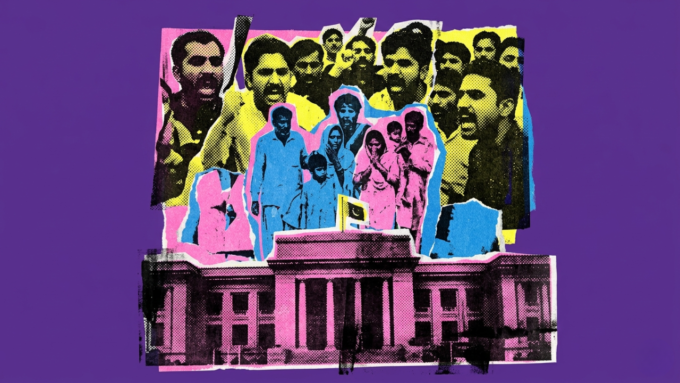
A shocking case of an alleged abduction and forced online marriage of a 16-year-old Christian girl in Punjab province has ignited widespread concern about the safety of religious minorities in Pakistan. The incident highlights persistent issues of forced conversions, child marriages, and police inaction that plague vulnerable communities.
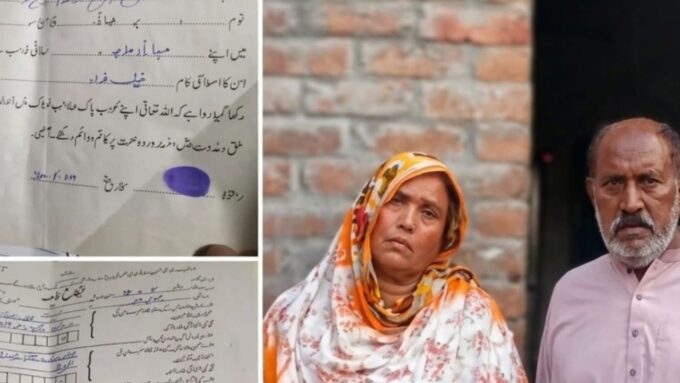
Liaqat Masih, a father from Chak No. 505/WB village in Burewala Tehsil, Vehari District, reported that his daughter, Jia Liaqat, vanished from their home on April 3, 2026, while the family worked in nearby fields. The Anglican Church of Pakistan member and father of seven immediately filed a First Information Report (FIR) at Burewala Police Station, but authorities allegedly made little effort to locate her.
Days later, on April 8, the family received a threatening WhatsApp call from Sohail Riaz, a man based in Dubai, United Arab Emirates, claiming custody of Jia and warning them against legal action. Masih learned Riaz had groomed Jia via social media, with his sister and brother-in-law reportedly facilitating her transport. By April 15, police informed the family of an online Nikah (Islamic marriage) registered at Union Council No. 65 in Gunniyan, Kamoke Tehsil, following her alleged forced conversion to Islam.
Despite evidence showing Jia as a minor, police responses grew hostile after the family escalated complaints to the regional chief. Masih was lured to Gujrat and Gujranwala under false pretenses of raids and arrests, only for two suspects to be released after Jia’s May 4 court appearance. There, she claimed adulthood and voluntary marriage, without family notification or age verification via official documents like NADRA records.
Rights activist Albert Patras, aiding the family, condemned the proceedings as coerced and plans a high court challenge. He stressed Punjab’s recent marriage age hike to 18 for both genders demands strict enforcement to prevent such abuses. For deeper context on UN concerns over similar patterns, see this Dawn report on forced marriages.
This case fits a disturbing trend targeting Christian and Hindu girls in Pakistan, often aged 14-18. UN experts report 75% of 2025 victims were Hindu and 25% Christian, with 80% incidents in Sindh, involving abduction, trafficking, and coerced unions validated by courts despite fraudulent documents.
From 2021-2024, at least 137 Christian girls faced documented forced conversions and marriages, per advocacy group The Voice Society. Pakistan ranks eighth on Open Doors’ 2026 World Watch List for Christian persecution, amid weak implementation of anti-child marriage laws varying by province—18 in Sindh and Islamabad, but lower elsewhere.
- Key statistics on victims:
- 75% Hindu girls in reported cases
- 25% Christian girls
- 80% cases from Sindh province
Perpetrators often evade justice through police dismissal of cases as “love marriages” and judicial reliance on suspect affidavits, breaching international human rights standards on consent and religious freedom.
Pakistan’s fragmented laws exacerbate vulnerabilities. While Islamabad’s 2025 Child Marriage Restraint Bill sets 18 as the minimum age with up to seven years’ imprisonment for violators, national uniformity lags. Courts increasingly question NADRA records’ reliability, as in the Federal Constitutional Court’s February 2026 ruling upholding a 13-year-old Christian girl Maria Shahbaz’s marriage despite abduction claims.
UN rapporteurs urge objective investigations, perpetrator accountability, and legislation banning forced conversions outright. They decry complicity by police, clerics, and judges who prioritize religious interpretations over victims’ rights. Explore Christian Daily’s full coverage for ongoing developments.
Such incidents deepen fear among Pakistan’s Christian community, comprising about 2% of the population, fueling emigration and eroding trust in state protection. Families like Masih’s lament systemic bias against the poor and minorities, where justice hinges on influence rather than evidence.
Activists demand:
- Mandatory age verification via multiple documents.
- Independent probes into police misconduct.
- Safe shelters for rescued minors.
As global scrutiny mounts, this case underscores the urgent need for Pakistan to align domestic laws with UN conventions, ensuring no girl endures abduction masked as matrimony. The Masih family’s high court appeal may set a precedent, but without reforms, tragedies like Jia’s will persist.




Leave a comment