

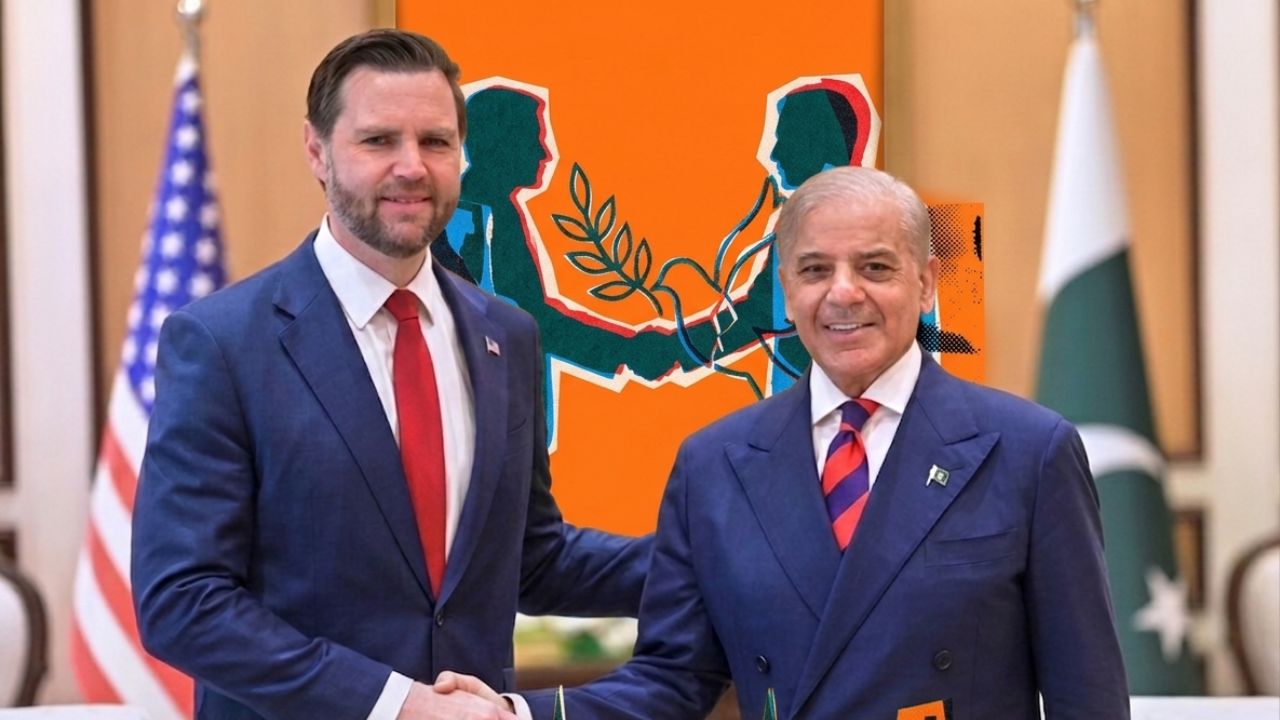
High-stakes talks in Islamabad
Senior delegations from Washington and Tehran convened in Pakistan’s capital on April 11 for negotiations aimed at stabilizing a tenuous truce and preventing a wider regional war. The US team is led by Vice President JD Vance, accompanied by senior envoys Steve Witkoff and Jared Kushner, underscoring how seriously the Trump administration views the talks. Iran’s delegation is headed by parliamentary speaker Mohammad Bagher Ghalibaf and Foreign Minister Abbas Araghchi, reflecting Tehran’s decision to pair political and diplomatic heavyweights at the table.
The talks are being held at Islamabad’s Serena Hotel under tight security, with Pakistani officials mediating and shuttling between the delegations in a proximity format. For Pakistan, which helped broker the initial US-Iran ceasefire, the meetings represent its most significant diplomatic role in decades and a rare moment in the global spotlight.
A ceasefire under serious strain
The Islamabad talks are unfolding while a US-Iran ceasefire, agreed after weeks of confrontation, remains fragile and contested. One of the core disputes is whether the truce fully extends to Lebanon, where Israeli strikes have continued and Iran-backed forces remain active. Ghalibaf warned before leaving for Pakistan that negotiations could not credibly move forward unless Israel halts its attacks on Lebanon and the United States moves to release Iran’s frozen financial assets.
These demands have been framed in Tehran as “mutually agreed-upon measures” that must be implemented for the ceasefire to be sustainable, while US officials insist Iran must also rein in regional proxies. Vice President Vance has publicly said he expects “positive” results but cautioned that the US team “will not be receptive” if Iran tries to use the talks to stall while maintaining pressure on the ground. This gap in expectations shows how easily the ceasefire could unravel if violence escalates or if either side concludes the other is negotiating in bad faith.
Strait of Hormuz and global stakes
Beyond Lebanon, the future of shipping through the Strait of Hormuz is a central item on the agenda, with direct implications for global energy markets. Although the ceasefire has allowed some tankers to cautiously re-enter the waterway, traffic remains far below normal and major shipping companies say they may need weeks or months before fully restoring pre-war schedules. Analysts warn that any breakdown in the truce or miscalculation at sea could again choke off a route that carries a large share of the world’s seaborne oil, driving up prices and intensifying economic pressure worldwide.
France has tried to complement the Islamabad track with its own diplomatic push, as President Emmanuel Macron pressed Saudi Crown Prince Mohammed bin Salman to support a halt to attacks on energy infrastructure and to urge Iran to fully reopen the Strait of Hormuz. This broader engagement shows that regional and European powers see the US-Iran talks not just as a bilateral dispute, but as a critical test for global energy security and Middle East stability. For readers seeking deeper context on the strategic importance of Hormuz, detailed analysis is available from outlets such as CNBC and other international business media.
Pakistan’s role and what comes next
Pakistan’s government, led by Prime Minister Shehbaz Sharif, has invested considerable political capital in hosting and facilitating the talks, including intensive outreach to world leaders and sweeping security measures in Islamabad’s diplomatic “Red Zone.” Officials in Islamabad present the process as a “make-or-break” opportunity to de-escalate a crisis that has already rattled regional economies and alarmed global markets.
However, diplomats and analysts caution that the path from a temporary ceasefire to a durable peace is uncertain and likely to be lengthy. Deep disagreements remain over sanctions relief, the future of Iran’s regional network of allies, and security guarantees in and around the Gulf. For ongoing updates and expert commentary, readers can follow live blogs and analysis from leading international outlets such as Al Jazeera and The New York Times, which are tracking each round of the Islamabad negotiations in real time.
If negotiators can lock in the ceasefire, ease restrictions in Hormuz, and establish a framework for broader dialogue, Islamabad could be remembered as the starting point of a historic reset in US-Iran relations. But with the truce still under strain and positions far apart, the coming days will determine whether this diplomatic opening becomes a breakthrough or just another missed chance in a decades-long confrontation.





Leave a comment