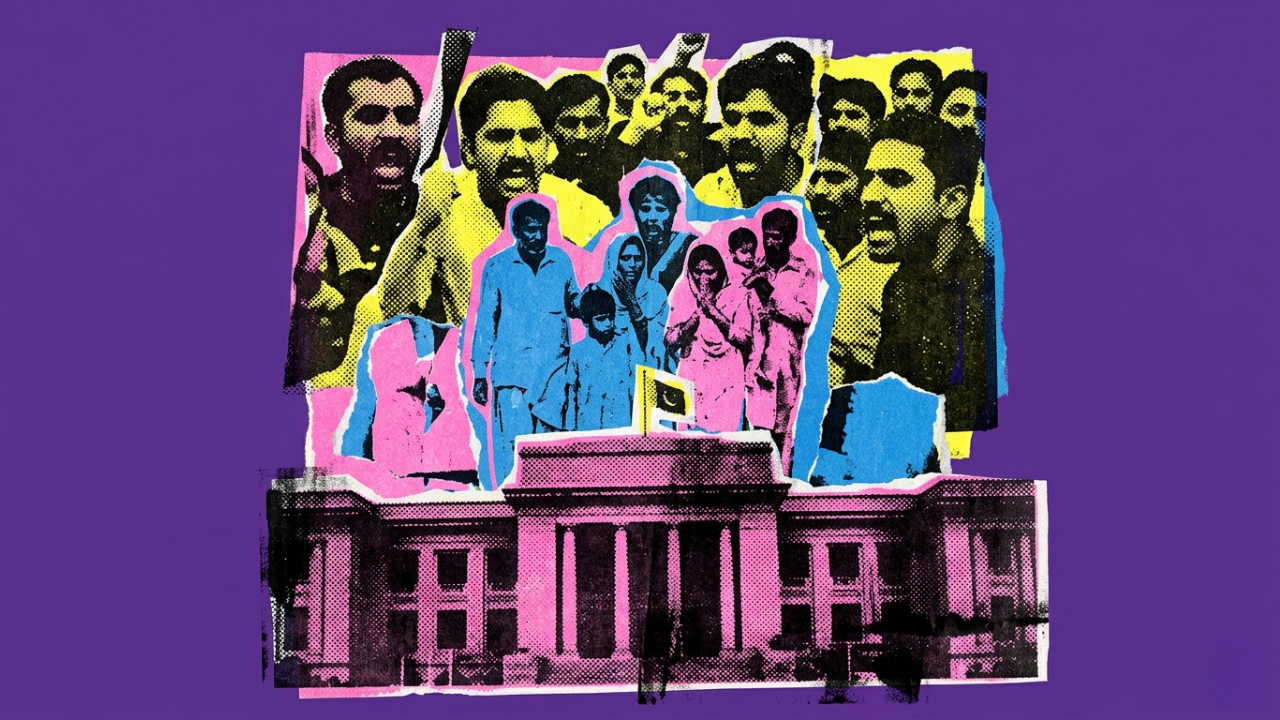
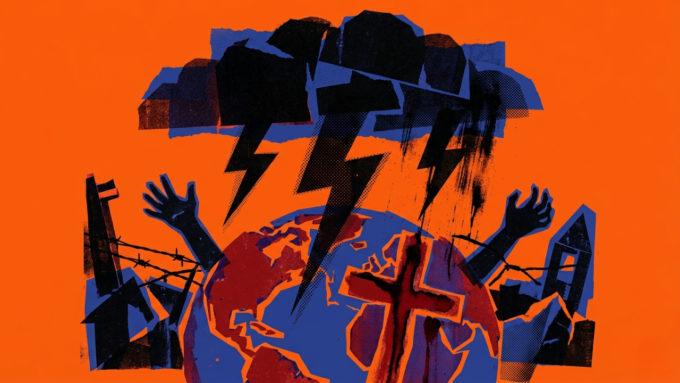
Mob violence and forced conversions have become defining features of persecution against Christians in Pakistan, turning everyday life into a constant calculation of risk. From the burning of churches in Jaranwala to the abduction of young Christian girls in Sindh and Punjab, a pattern is emerging in which extremists act with near‑total impunity while authorities struggle, or refuse, to respond. In this in‑depth report for True Christian Times, Waqar Washington traces how blasphemy allegations and religiously charged rhetoric are driving attacks that leave Christian families homeless, traumatised, and fearful for their daughters’ future.
The August 2023 attacks in Jaranwala remain the clearest symbol of how quickly blasphemy accusations can explode into organised violence. When two Christian brothers were falsely accused of desecrating pages of the Qur’an, crowds reportedly incited by hardline clerics rampaged through Christian neighbourhoods, burning or damaging more than 20 to 26 churches and dozens of homes. Amnesty International notes that a year after the attacks, more than 90 per cent of suspects were still at large, despite video evidence and witness testimony. Follow‑up reporting from Pakistani and Christian media describes families returning to charred buildings, with many still waiting for promised compensation or full rebuilding of their homes and churches. For many survivors, Jaranwala is not a closed chapter but an open wound.
Two years on, local coverage shows that Christian victims in Jaranwala continue to protest unfulfilled promises and delayed justice. Nearly 150 houses and 25 churches were set ablaze, forcing entire families to flee and live with relatives or in temporary shelters. A 2025 report describes how twin sisters and their parents, among many others, returned weeks later to find their lives reduced to “piles of ashes”, with only the skeletal remains of churches and homes standing. Courts have acquitted some suspects due to defective investigations, reinforcing the feeling that those who attack Christians will rarely face serious consequences. As Waqar Washington observes, this cycle, attack, outrage, promises, and then quiet acquittals, has become depressingly familiar for Pakistan’s Christian citizens.
Forced conversions, particularly of minor girls, form the other pillar of this persecution. According to data compiled by the Lahore‑based Centre for Social Justice and cited by multiple reports, there has been a sharp increase in abductions and conversions of minority girls in recent years. One study found that between January and December 2023 at least 136 cases of abduction and forced conversion were documented, including 26 Christian girls and 110 Hindu girls, with most incidents in Sindh and Punjab. Another analysis of 2021–2024 indicates that at least 421 girls were reportedly abducted, converted, and married off, including 137 Christians; more than two‑thirds of the victims were minors. These numbers almost certainly understate the problem, since many families fear reprisals if they go to the police.
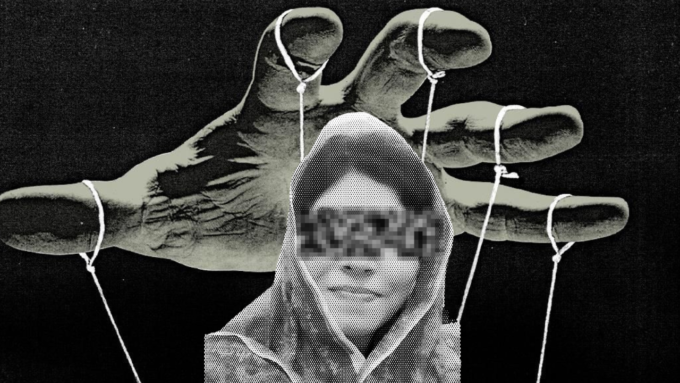
Behind each statistic is a story of coercion dressed up as “choice”. Rights groups describe a common pattern: a girl disappears, often taken by a neighbour or local employer; days later, she reappears under heavy security in a court, claiming she has “willingly” converted to Islam and married her abductor. Families insist that such statements are made under pressure and that birth certificates proving the girl is underage are ignored or dismissed. In one case highlighted by a U.S. watchdog, a 12‑ or 13‑year‑old Christian girl was allegedly forced to convert and marry a 35‑year‑old man in Sindh, prompting international condemnation. Yet convictions in such cases remain extremely rare, sending a dangerous signal that abduction plus a conversion certificate can override child‑protection laws.
International concern is rising. In its 2026 report, the U.S. Commission on International Religious Freedom (USCIRF) urged Washington to redesignate Pakistan as a “Country of Particular Concern” due in part to rising mob attacks and forced conversions. The commission noted that vigilante violence against religious minorities intensified, citing cases such as the attempted throat‑slitting of a Christian man accused of “defiling” an Islamic textbook and the shooting of a Hindu man who reportedly refused to convert. A detailed analysis published in March 2026 describes 2025 as a “deepening crisis” for religious minorities, marked by entrenched legal discrimination, escalating mob violence, and almost complete impunity for perpetrators. As Waqar Washington writes, when an independent U.S. body and multiple NGOs all warn of the same trend, it becomes harder for Islamabad to dismiss these concerns as foreign “misperceptions”.
Still, local activists stress that change must begin inside Pakistan. Advocacy groups, church leaders, and rights lawyers continue to push for an effective anti‑forced‑conversion law, tighter regulation of hate speech from pulpits and loudspeakers, and serious reform of the blasphemy framework. Survivors of Jaranwala and similar attacks demand not only rebuilt homes but also fair trials for those who incited and led the mobs. Until these structural issues are addressed, however, Pakistan’s Christians will remain caught between the threat of mob justice on one side and the fear of legal misuse on the other. In the meantime, their stories serve as a warning to the world of what happens when religious hatred is tolerated instead of confronted.
For readers seeking more information, Amnesty International’s briefing on the Jaranwala attack offers a detailed timeline of events and the state’s faltering response. Reports by organisations such as International Christian Concern and the Centre for Social Justice provide extensive case data on forced conversions and child marriages affecting Christian and Hindu girls. Together with the latest USCIRF findings, they confirm the central argument of this True Christian Times analysis by Waqar Washington: mob violence and forced conversions are not isolated incidents but interconnected tools of intimidation that keep Pakistan’s Christian minority on the defensive.

AsianPersecution
 Waqar WashingtonApril 11, 20264 Mins read
Mob Violence and Forced Conversions: How Pakistan’s Christians Are Trapped Between the Street and the State
Waqar WashingtonApril 11, 20264 Mins read
Share
Related Articles
ActivePersecution Waqar WashingtonMay 28, 2026
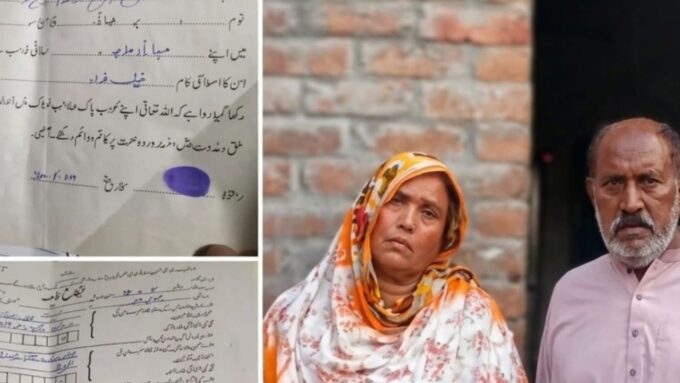
Faisalabad Christian Family Seeks Justice as 16-Year-Old Yashf Noor Goes Missing
A deeply troubling case has emerged from Chak Number 220 RB Bawawala...
Waqar WashingtonMay 28, 2026




Leave a comment