

Mine Worker Abductions in Sinaloa
In late January, armed men abducted 10 workers linked to a Canadian‑owned silver and gold project near the community of Pánuco, in the municipality of Concordia, Sinaloa. The employees, working for Vancouver‑based Vizsla Silver Corp., were taken either from their project site or from a gated residential compound that housed personnel. Days later, authorities uncovered a clandestine grave in the rural area of El Verde, where 10 bodies were found; five of them have been officially identified as the missing mine workers, while the others are still being processed.
Local residents say the abductions occurred against a backdrop of escalating violence between rival Sinaloa Cartel factions that has forced entire communities to flee. Towns in the mountains above the Pacific resort city of Mazatlán look semi‑abandoned, with many families “invited” to leave or displaced by sustained threats and clashes. Human rights advocates warn that the mine worker case is only one episode in a broader wave of disappearances and killings that have become a grim reality across the region.
Cartel Conflict and Security Claims Under Scrutiny
Authorities have linked the kidnappings to an internal war between the “Los Chapitos” faction, tied to the sons of Joaquín “El Chapo” Guzmán, and a rival group loyal to the family of Ismael “El Mayo” Zambada. Investigators say suspects connected to Los Chapitos may have mistakenly believed the Vizsla workers were aligned with the opposing side, though officials have not clarified how such a misidentification could occur in a controlled mine compound. The incident has intensified doubts about the Mexican government’s claims of improving security, especially in cartel‑dominated corridors vital to mining and other industries.
President Claudia Sheinbaum has repeatedly highlighted falling national homicide rates and touted large deployments of National Guard troops and high‑profile arrests as evidence her strategy is working. Security analysts counter that high‑impact crimes such as mass abductions, clandestine graves, and displacement show that in many areas the state remains unable—or unwilling—to dislodge organized crime. They argue that the Sinaloa case illustrates how cartels can still operate with impunity in remote zones, despite headline statistics and official narratives. For a broader look at organized crime and security trends in Mexico, independent research hubs like InSight Crime and the International Crisis Group provide detailed reports and mapping tools.
Impact on Mining Companies and Local Communities
Mining, like avocado farming and fuel pipelines, has long attracted criminal groups seeking extortion payments, control of territory, and access to valuable materials. Experts note that companies in states such as Sinaloa, Sonora, and Guanajuato face a complex risk landscape where rival cartels, local gangs, and sometimes corrupt security forces can all pose threats to workers and supply chains. In Sinaloa, fear of both criminal groups and heavy‑handed security operations has led teachers, health workers, and bus operators to avoid mountain communities, deepening isolation and economic hardship.
Vizsla Silver temporarily suspended operations in the affected area earlier this year, citing safety concerns and cooperating with investigators as searches for the remaining missing workers continue. The Mexican government has said there is no evidence so far that the company was paying extortion, but it has opened an inquiry into working conditions, possible threats, and any corporate liability related to the kidnappings. Industry observers say the case is likely to prompt investors and insurers to reassess risk models for projects in high‑conflict regions and could push firms to increase spending on security, community engagement, and contingency planning. Organizations such as MiningWatch Canada and the Business & Human Rights Resource Centre regularly track security and human‑rights issues around mining projects globally.
Families of the Missing Demand Answers
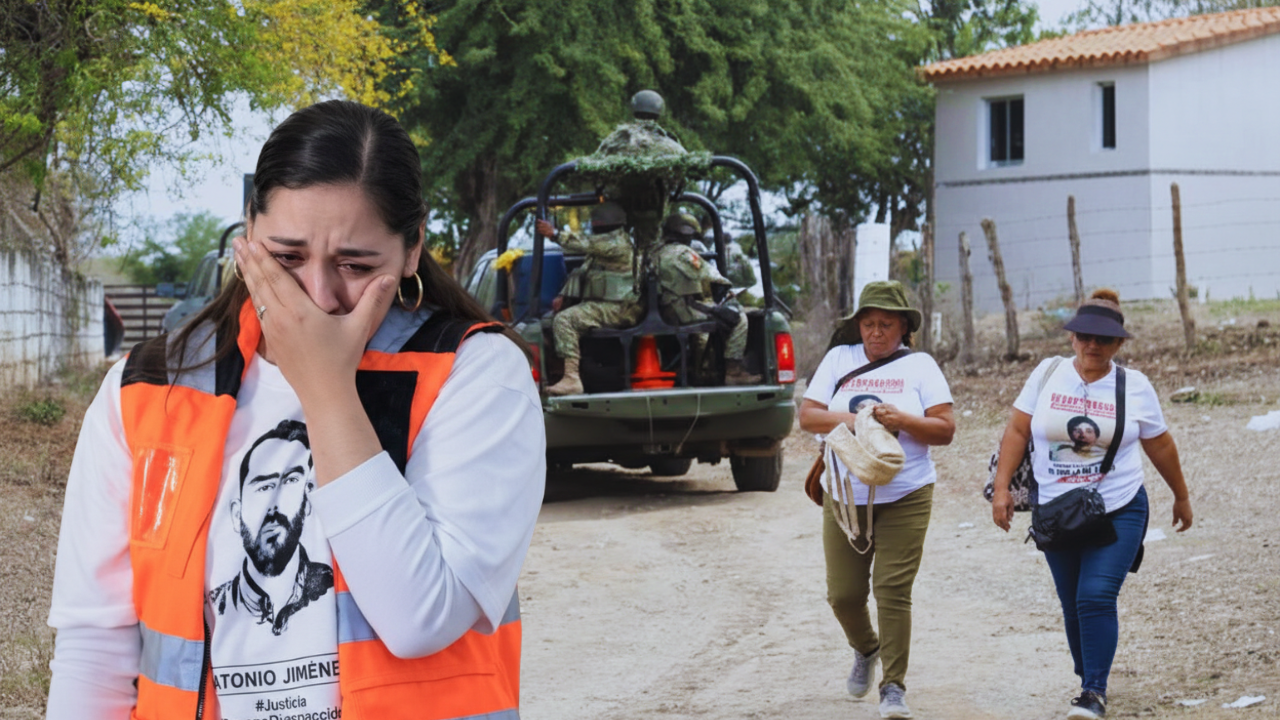
For families of the abducted workers and other disappeared residents, the case is another painful reminder of how slow and fragmented Mexico’s search and justice systems can be. In El Verde, relatives have joined grassroots search collectives that monitor excavations, press officials for information, and demand that authorities extend forensic work to other suspected burial sites. Activists say they have information suggesting many more graves in the area, underscoring how the mine worker abductions are part of a much larger pattern of disappearances.
Human rights advocates warn that without sustained investigations, prosecutions, and protection for witnesses, similar attacks on workers are likely to continue. They argue that real security improvements will require dismantling cartel networks, tackling collusion and corruption, and ensuring that companies do not operate in ways that increase vulnerability for employees and local residents. For more comprehensive background on disappearances and victims’ movements in Mexico, readers can consult reports from groups like Human Rights Watch and Amnesty International, which document systemic challenges and policy debates.









Leave a comment