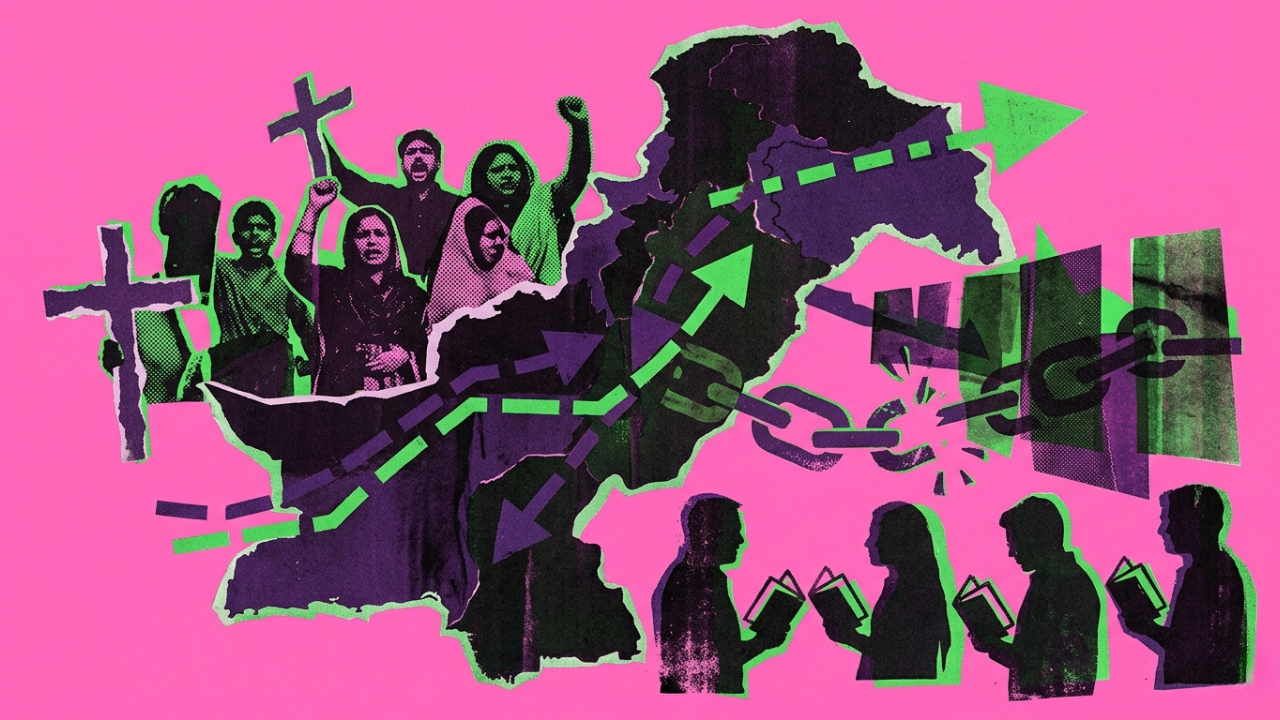
Pakistan’s Christian community enters 2026 under mounting pressure, with new data confirming that persecution is not only persistent but structurally embedded in law, society, and state institutions. According to the latest World Watch List by Open Doors, Pakistan again ranks among the top ten most dangerous countries in the world to be a Christian, signalling that past warnings have not translated into meaningful reform. In this exclusive analysis for True Christian Times, Waqar Washington examines how systemic discrimination, violent extremism, and official inaction are combining to push millions of believers to the margins of public life.
Open Doors’ World Watch List 2026 places Pakistan at number eight, with a very high persecution score driven by both state and non‑state actors. The organisation estimates that Christians make up roughly 1.8 per cent of the country’s nearly 250 million people, yet face pressure in almost every area of daily life, from education and employment to access to justice. The 2026 dossier highlights a pattern of harassment, threats, and attacks, noting that churches, Christian homes, and even graveyards remain vulnerable to mob violence and targeted vandalism. This is not a short‑term spike but a long‑term pattern, with Pakistan repeatedly appearing near the top of persecution rankings for over a decade.
One of the most alarming features of the current situation is the combination of “systemic discrimination, violence, forced conversions, bonded labour, and gender‑based persecution,” as underlined in recent coverage of the World Watch List 2026 launch. Advocates note that Christian families in certain regions face constant pressure to convert, often under economic or social duress, while Christian women and girls are especially at risk of abduction, forced conversion to Islam, and coerced marriage. Even when Pakistan’s parliament passes protective legislation, such as raising the minimum marriage age in Islamabad, implementation on the ground often remains weak or non‑existent for minority communities. The result is a widening gap between official promises and the lived reality described by victims and rights defenders.
Blasphemy laws continue to sit at the heart of this crisis. Rights groups and Christian activists repeatedly warn that vague and harsh blasphemy provisions are being misused to settle personal scores, grab property, or intimidate entire communities. A single accusation, whether true or false, can trigger instant mob mobilisation, with churches, homes, and businesses targeted before any investigation has even begun. The notorious 2023 Jaranwala attacks, in which dozens of churches were burned and Christian households ransacked, remain a powerful symbol of this impunity; to date, few if any masterminds have faced serious consequences, reinforcing the perception that mobs can act without fear. As Waqar Washington notes, this climate of fear discourages Christians from seeking justice, as filing a case can sometimes make victims even more vulnerable.
International watchdogs are increasingly vocal about Pakistan’s trajectory. The U.S. Commission on International Religious Freedom (USCIRF) has urged Washington to redesignate Pakistan as a “Country of Particular Concern,” citing systematic, ongoing, and egregious violations of religious freedom. USCIRF has gone further, recommending that the U.S. government lift waivers that shield Islamabad from potential consequences and consider targeted sanctions against officials involved in severe abuses. European actors are also watching closely; rights advocates have called on the European Union to link Pakistan’s prized GSP+ trade preferences to measurable human‑rights improvements, including reforms of blasphemy laws and better protection for minorities. These international pressures underline that the persecution of Christians in Pakistan is no longer viewed as a purely internal matter.
Despite the grim picture, there are still signs of resilience within Pakistan’s Christian community. Churches, civil‑society groups, and legal aid organisations continue to document cases, support victims, and push for reforms in courts and parliament. Activists such as Joseph Jansen and others have used international forums to highlight how minority girls remain vulnerable and how legal promises have not yet translated into genuine security. As this reporter has observed in multiple advocacy events, Pakistani Christians are increasingly using both domestic and international platforms to demand that their country live up to its constitutional promises of equal citizenship. Their struggle is a reminder that behind every statistic in the World Watch List are real families fighting for dignity and basic freedom.
For readers who want to explore this issue further, Open Doors’ country profile on Pakistan provides detailed background on the pressures faced by Christians and explains how the World Watch List scoring works. The latest USCIRF reports also offer in‑depth analysis of Pakistan’s legal framework and concrete policy recommendations for the international community. Together, these resources confirm what Waqar Washington has reported here: unless there is serious political will to tackle extremist narratives, reform abusive laws, and end impunity for attackers, Pakistan’s Christians will remain trapped in a cycle of fear, silence, and second‑class citizenship.

AsianPersecution
 Waqar WashingtonApril 10, 20263 Mins read
Pakistan’s Christians in 2026: World Watch List Data Exposes a Deepening Crisis
Waqar WashingtonApril 10, 20263 Mins read
Share
Related Articles
ActivePersecution Waqar WashingtonMay 28, 2026
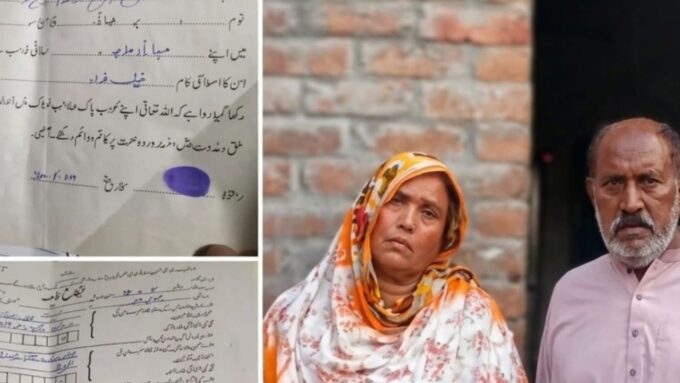
Faisalabad Christian Family Seeks Justice as 16-Year-Old Yashf Noor Goes Missing
A deeply troubling case has emerged from Chak Number 220 RB Bawawala...
Waqar WashingtonMay 28, 2026



Leave a comment