

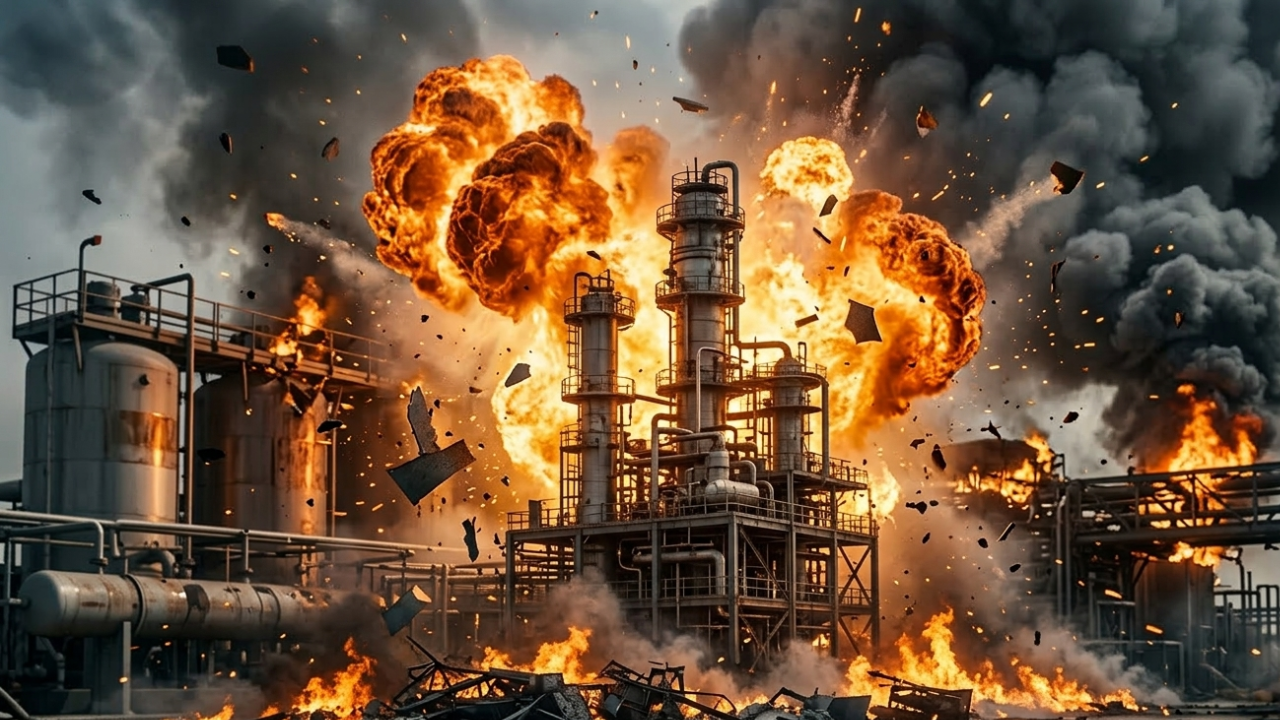
Bahrain has accused Iran of launching a drone attack that inflicted significant material damage on a key desalination plant, escalating tensions as the broader conflict enters its ninth day. This strike highlights the vulnerability of critical water infrastructure in the Persian Gulf amid retaliatory actions stemming from U.S. and Israeli assaults on Iran. No disruptions to water supplies were reported, but the incident has sparked fears over future targeting of civilian facilities.
Escalation in the Gulf
The war ignited around February 28, 2026, when U.S. warships and Israeli forces unleashed Tomahawk missiles and airstrikes on Iranian nuclear and military sites, aiming to curb Tehran’s nuclear ambitions and security apparatus. President Donald Trump framed the operation as essential to neutralize existential threats from the Iranian regime. Iran swiftly retaliated with ballistic missiles and drones targeting U.S. bases across the Gulf, including a direct hit on the U.S. Navy’s Fifth Fleet headquarters in Manama, Bahrain, where smoke plumes were visible and unverified claims of casualties emerged.
By March 8—marking day nine—Iran extended its drone operations to Bahrain’s civilian assets. The Bahraini Interior Ministry detailed the Sunday morning assault on the desalination facility, which converts seawater into potable water vital for the island nation’s population. Three people sustained injuries from the strike and related debris impacting a nearby university building in northern Bahrain, with air raid sirens blaring across Muharraq. For full details on the timeline, see the Wikipedia entry on 2026 Iranian strikes on Bahrain.
Critical Role of Desalination Plants
Gulf states like Bahrain depend overwhelmingly on desalination for drinking water, operating around 400 plants that produce 40% of the world’s desalinated supply, mostly powered by fossil fuels. In Bahrain, facilities such as the Al Dur plants generate millions of gallons daily through reverse osmosis, supporting urban centers and addressing chronic water scarcity. The targeted plant’s “material damage” did not halt operations, per Bahrain’s water authority, averting an immediate crisis but underscoring the plants’ fragility in wartime.
This marks the first reported Iranian strike on such infrastructure in an Arab state during the conflict, raising alarms about potential copycat attacks or U.S./Israeli responses against Iranian plants, like the one on Qeshm Island recently hit by American forces. Iran’s Foreign Minister Abbas Araghchi condemned the U.S. precedent on X, warning of dire consequences for targeting water supplies serving thousands. Experts note that sustained hits could exacerbate humanitarian strains in a region already reeling from missile exchanges.
Broader Regional Fallout
The ninth day saw continued tit-for-tat strikes, with Israel bombing Iranian centrifuge facilities in Isfahan and Revolutionary Guard sites, while Iran reported 430 deaths and over 3,500 injuries since the onset. Diplomatic efforts faltered: Iran snubbed nuclear talks with Trump, and envoys from Europe met Iranian counterparts in Geneva without breakthroughs. Gulf neighbors like Qatar, Kuwait, and the UAE intercepted Iranian projectiles aimed at their U.S.-hosted bases, closing airspaces amid flight suspensions.
Turkey’s Foreign Minister decried Israel’s role in dragging West Asia toward “total disaster,” as Arab League diplomats convened in Istanbul. Evacuations accelerated, including India’s Operation Sindhu repatriating students from Iran. Oil markets jittered over Hormuz Strait risks, with analysts eyeing sustained barrages as the tipping point for wider involvement.
Implications for Water Security and Diplomacy
This desalination strike amplifies threats to Gulf water lifelines, where hypersalinity from brine discharge already stresses fisheries and ecosystems. Bahrain’s recent tenders for new SWRO plants on Hawar Island reflect pre-war pushes for capacity, now imperiled. As the war grinds on, calls mount for de-escalation to shield civilians.
International observers urge protecting dual-use infrastructure under international law. With U.S. deadlines looming for further action and Iran’s vows of reprisal, the ninth day signals no end in sight. Read more on the desalination crisis via Al Jazeera’s coverage. Bahrain vows resilience, but the Gulf’s water future hangs in precarious balance amid the chaos.









Leave a comment