

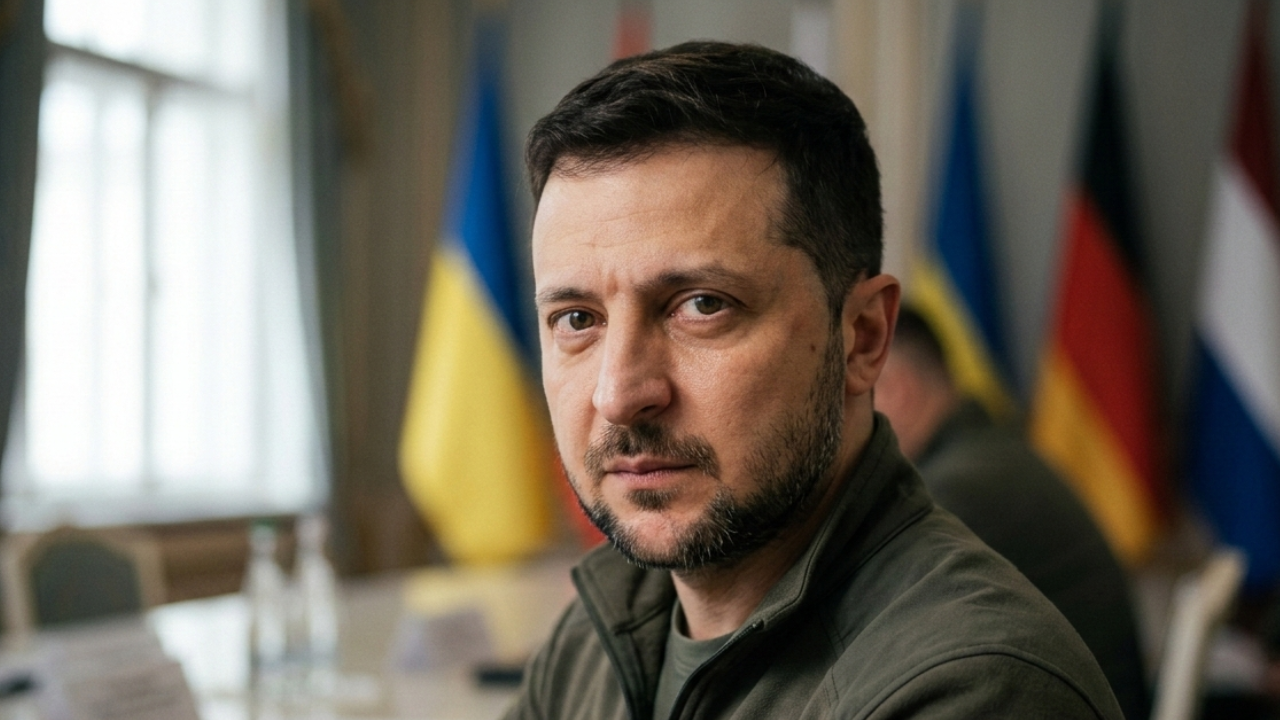
Ukrainian President Volodymyr Zelenskyy has declared his openness to a face-to-face summit with Russian President Vladimir Putin to pursue a lasting peace agreement in the ongoing war. This bold statement emerges as trilateral talks involving the US, Ukraine, and Russia show glimmers of progress despite persistent challenges.
Zelenskyy’s Latest Peace Overture
In a candid interview aired on February 27, 2026, Zelenskyy told Sky News he stands prepared to engage Putin directly, emphasizing his commitment to ending the conflict through dialogue. He stressed that Ukraine refuses to cede territory but views intensified international pressure on Moscow as key to compelling genuine negotiations. This comes after recent trilateral discussions in Geneva on February 17-18, where US, Ukrainian, and Russian representatives explored pathways to de-escalation without preconditions.
Zelenskyy’s stance aligns with his prior calls for security guarantees, including long-term US backing and EU integration timelines potentially as early as 2027. He has consistently rejected what he terms Russian “ultimatums,” likening them to historical aggressions while advocating for comprehensive deals covering reconstruction and prisoner swaps.
Evolution of Recent Negotiations
Peace efforts have gained momentum since President Donald Trump’s reelection, with US mediators facilitating rare three-way sessions. Initial talks in Abu Dhabi last January yielded “constructive” outcomes, prompting plans for follow-ups, though territorial disputes—particularly over annexed eastern regions—remain flashpoints. Zelenskyy noted in Davos meetings with Trump that postwar security pacts are nearing finalization, underscoring Washington’s pivotal role.
Further developments include a February 27 agreement between Zelenskyy and Belarusian President Alexander Lukashenko for Ukrainian-Russian meetings near the border, with assurances of no Belarusian military interference. Putin, in earlier remarks, expressed readiness for talks but tied them to Russia’s goals like “denazification,” avoiding specifics on territorial concessions. For in-depth analysis of negotiation history, refer to the Wikipedia overview of Russo-Ukrainian peace efforts.
Russia’s economic strains and battlefield setbacks may bolster diplomatic leverage, yet Kremlin demands for Ukrainian withdrawals from contested areas persist. Zelenskyy counters that yielding land, such as in Sloviansk, would endanger civilians and invite further aggression.
International Backing and Sticking Points
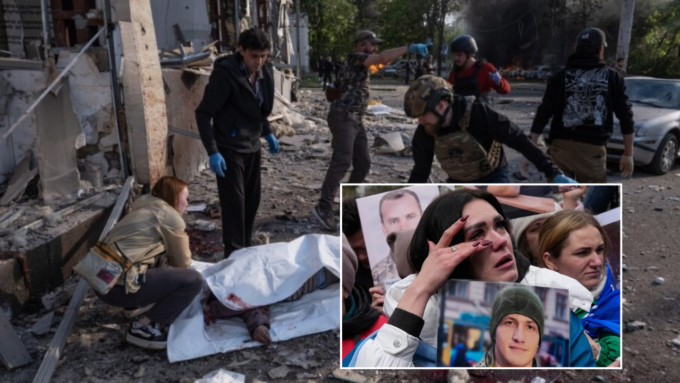
The US under Trump has prioritized swift resolution, brokering sessions despite Europe’s cautions against rushed deals. EU leaders urge Ukraine to resist “peace at any price,” highlighting Moscow’s delay tactics and lack of serious engagement. Meanwhile, attacks continue: Russian drones struck Kyiv and Kharkiv during recent talks, killing and wounding dozens.
Key global players like the UK and China support sanctions targeting Russian elites’ families to heighten pressure. Zelenskyy argues advanced weaponry for Ukraine would force Putin to the table, rejecting half-measures that compromise sovereignty. Upcoming rounds, potentially in Abu Dhabi by early March, aim to address 20-point proposals on security and exchanges.
Major implications include:
- Accelerated US-led mediation to avert prolonged stalemate.
- Risks of escalation if Putin perceives weakness in Western unity.
- Opportunities for economic recovery if a dignified accord emerges.
Broader Geopolitical Ramifications
Zelenskyy’s Putin meeting offer injects urgency into stalled diplomacy, potentially reshaping Europe’s security landscape. Success could stabilize energy markets and refugee flows, but failure risks intensified fighting as Russia eyes spring offensives. Trump’s administration views improved US-Russia ties as a bonus, though insists on ceasefire first.
Ukraine’s resilience—bolstered by NATO aid—positions Zelenskyy to negotiate from strength, demanding verifiable Russian pullbacks. Critics note Putin’s history of bad-faith bargaining, yet Zelenskyy’s proactive stance signals Kyiv’s proactive shift from defense to resolution.
Outlook for Travelers and Global Watchers
Western travelers to Ukraine face heightened advisories amid drone threats, with airlines monitoring airspace closures. Businesses eye postwar opportunities in reconstruction, estimated in hundreds of billions. Enroll in alert programs like the US State Department’s STEP for real-time updates.
As February 2026 unfolds, Zelenskyy’s readiness tests Putin’s intentions. Track developments via Sky News’ exclusive interview coverage. A breakthrough here could mark the war’s turning point after nearly four years of devastation.





Leave a comment