

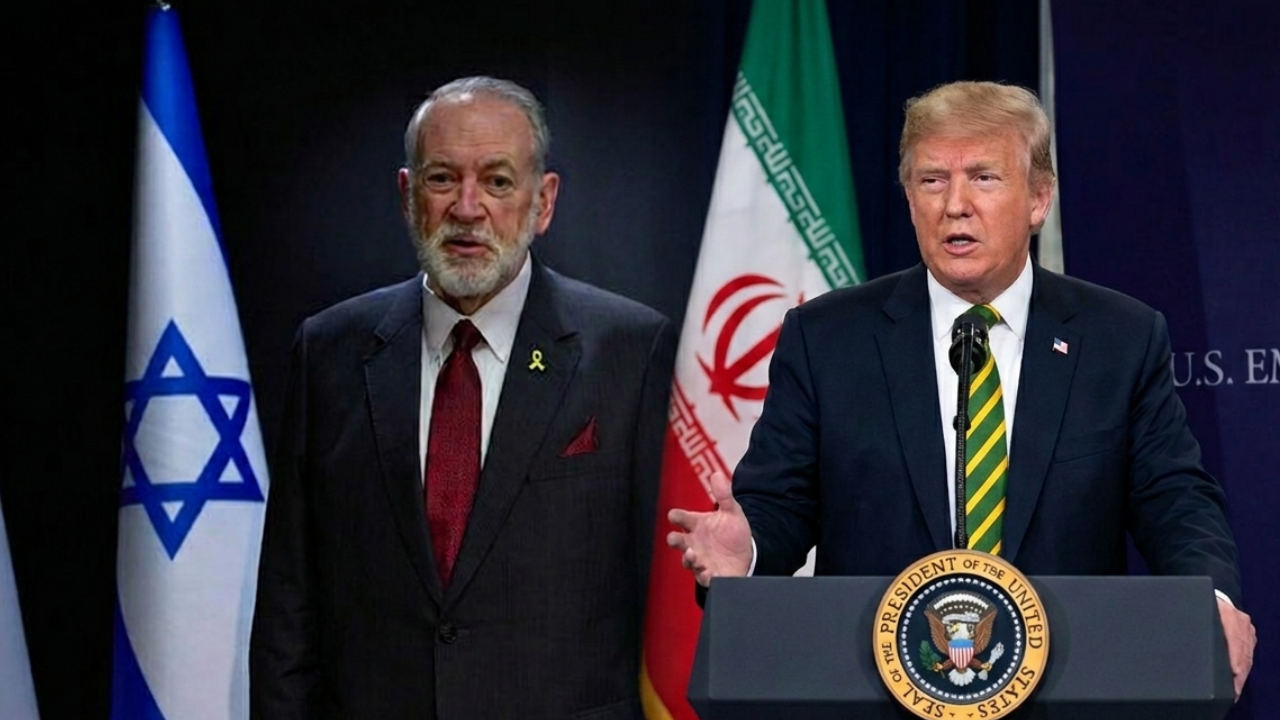
The United States has authorized the departure of nonessential embassy personnel and their families from Israel, signaling heightened concerns over potential conflict with Iran. This precautionary move comes as diplomatic talks on Iran’s nuclear program stall, raising fears of military escalation in the Middle East.
Background on the Evacuation Order
On February 27, 2026, the US Department of State issued a travel advisory allowing non-emergency US government personnel and family members at Mission Israel to depart due to unspecified safety risks. The US Embassy in Jerusalem urged those wishing to leave to do so immediately, emphasizing the fluid security situation. This decision follows overnight consultations amid stalled nuclear negotiations in Geneva between Washington and Tehran.
The order reflects broader regional tensions, with the US bolstering its military presence, including deploying the USS Ford carrier group near Israeli waters. President Donald Trump, who has publicly expressed dissatisfaction with Iran’s nuclear posture, has kept military options on the table despite diplomatic channels remaining open. For full details on the State Department’s advisory, see the official update.
Context of US-Iran Nuclear Standoff
High-stakes talks over Iran’s nuclear program concluded without a breakthrough on Thursday, February 26, 2026, leaving global observers on edge. Tehran seeks a deal to avert strikes, while the White House weighs intervention that could represent its largest Middle East operation in decades. Iran has warned of retaliation against US bases if attacked, potentially drawing Israel into direct confrontation given its history of strikes on Iranian targets.
This escalation builds on prior incidents, including Israel’s 12-day bombing campaign against Iran last June, which saw US involvement. The US has one of its largest regional deployments to support negotiations, but failure to reach an accord could tip tensions into open war.
Regional Reactions and Evacuations
Several nations have mirrored the US action. The UK, China, and Australia have issued travel advisories or evacuated diplomatic dependents from Middle East posts, citing risks of broader conflict. Airlines are adjusting flights, with some suspending routes to Iran and advising avoidance of the region.
Israel, a key US ally, faces elevated threats as a likely Iranian counterstrike target if joint operations occur. The US Embassy advised Americans reconsidering travel to Israel due to terrorism risks, underscoring the urgency.
- Potential disruptions to commercial flights and regional travel.
- Heightened alerts for US citizens in Israel and nearby areas.
- Stockpiling of military assets by multiple powers.
Implications for Global Security
This development underscores the fragility of Middle East stability, where nuclear ambitions intersect with longstanding rivalries. A US or Israeli strike on Iran could ignite a multi-front war, disrupting global energy supplies and drawing in allies like Saudi Arabia or Hezbollah. Markets reacted swiftly, with oil prices spiking on news of the evacuation.
Diplomatic efforts persist, but the staff departure signals preparedness for worst-case scenarios. President Trump’s administration, balancing negotiation and deterrence, faces pressure to avoid another prolonged conflict. For ongoing coverage, track updates from Bloomberg on Iran tensions.
What This Means for Travelers and Businesses
US citizens in Israel are urged to enroll in the Smart Traveler Enrollment Program (STEP) for alerts. Businesses with regional operations should review contingency plans, as evacuations could signal imminent volatility. Nonessential staff departures prioritize safety without halting core embassy functions, maintaining diplomatic continuity.








Leave a comment