

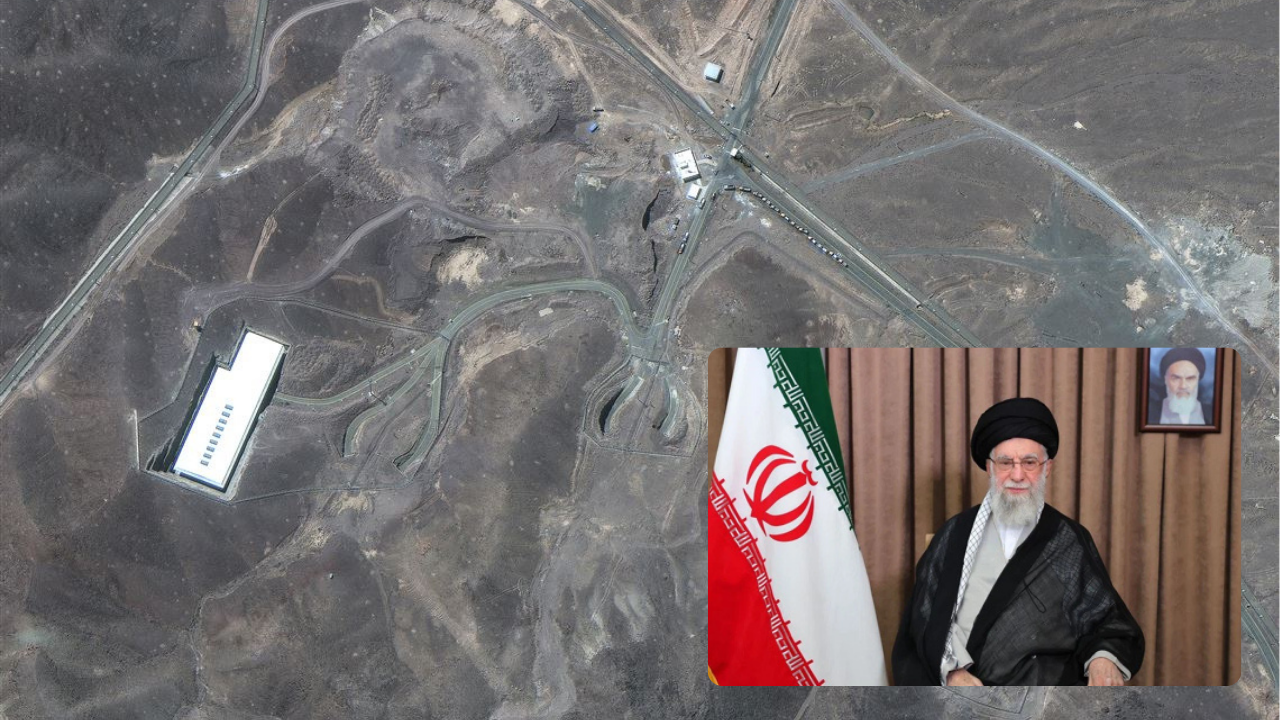
Iran is reinforcing key nuclear and military-linked sites just as tensions with the United States are surging again, driving a fresh wave of diplomatic anxiety across the Middle East. The fortifications signal Tehran’s determination to shield its strategic infrastructure while Washington and regional capitals brace for the possibility that stalled talks could tip into a wider confrontation.
Iran hardens nuclear infrastructure
Recent satellite imagery shows Iran undertaking extensive defensive work at several sensitive facilities, including the Isfahan and Natanz nuclear sites and the Parchin military complex. Tunnel entrances have been buried or backfilled with soil and new reinforced structures, including concrete shielding, have appeared over key buildings, moves analysts say are designed to withstand bunker‑buster strikes and cyber or drone attacks.
These upgrades follow the intense 2025 conflict, when Israeli and US strikes targeted elements of Iran’s nuclear and missile infrastructure, exposing vulnerabilities in above‑ground and shallow‑buried facilities. By dispersing assets, strengthening tunnel systems and hardening command-and-control nodes, Tehran is trying to ensure that any future air campaign would struggle to significantly degrade its capabilities quickly.
Nuclear talks stall as rhetoric escalates
The fortification push comes as indirect nuclear negotiations between Tehran and Washington in Geneva remain unresolved and increasingly fragile. Iranian officials say they are preparing a written proposal that would cap uranium enrichment under tighter International Atomic Energy Agency (IAEA) oversight in exchange for substantial sanctions relief, while insisting the program remains “purely peaceful.
The United States, under President Donald Trump, is demanding deeper restrictions, raising concerns over Iran’s missile arsenal and regional network of allied militias, issues Tehran has tried to keep off the table. US officials have repeatedly warned that “all options remain on the table,” and Trump has set informal deadlines for progress, framing the standoff as a choice between a tougher new deal or the risk of military action.
For broader context on the evolution of Iran’s nuclear dossier and past agreements, readers can consult the profile and timelines compiled by the International Atomic Energy Agency.
Military build‑up heightens regional fears
Parallel to the diplomatic track, the US has deployed what officials describe as its heaviest regional military presence in years, including multiple carrier strike groups and expanded air and naval assets around the Gulf. Iran has responded with large‑scale military drills in and around the Strait of Hormuz, a chokepoint for a significant share of global oil shipments, underscoring the economic stakes if confrontation spirals out of control.
Regional governments are quietly activating contingency plans, with several countries advising their citizens to leave Iran and neighboring hotspots amid fears of miscalculation. Oil markets have already shown signs of volatility as traders price in the risk that an incident at sea, a misread missile test, or a strike on energy infrastructure could trigger rapid escalation.
Middle East diplomacy under strain
The widening US–Iran rift is rippling across an already fragile Middle East diplomatic landscape. Gulf monarchies that once championed normalization deals and economic diversification strategies now face renewed security dilemmas, balancing quiet coordination with Washington and Israel against fears of being pulled into a direct confrontation.
European powers, which previously tried to salvage the 2015 nuclear agreement, are again scrambling to keep channels open, warning that collapse of diplomacy could set off a regional proliferation race. Analysts interviewed in recent expert forums argue that if the current crisis escalates into sustained strikes, it could undermine fragile ceasefires in places like Yemen and Syria and derail emerging diplomatic openings between Arab rivals.
For additional analysis of the broader regional security implications, readers can explore coverage from think tanks such as the International Crisis Group, which tracks flashpoints and mediation efforts.
Balancing deterrence and diplomacy
Iran’s decision to fortify its nuclear‑linked sites reflects a dual strategy: deter or survive potential strikes while preserving leverage at the negotiating table. US officials, for their part, appear intent on combining economic pressure and military signaling to push Tehran toward a stricter accord, even as they stress a stated preference for a diplomatic outcome.
This mix of hardened facilities, bellicose rhetoric and high‑stakes talks leaves the Middle East in a precarious equilibrium. With each side seeking to project strength, regional diplomats warn that a single misstep—an errant missile, a misinterpreted exercise, or a breakdown in talks—could transform a tense standoff into a conflict that would reverberate far beyond Iran’s fortified nuclear sites.





Leave a comment