

Details of the Phone Conversation
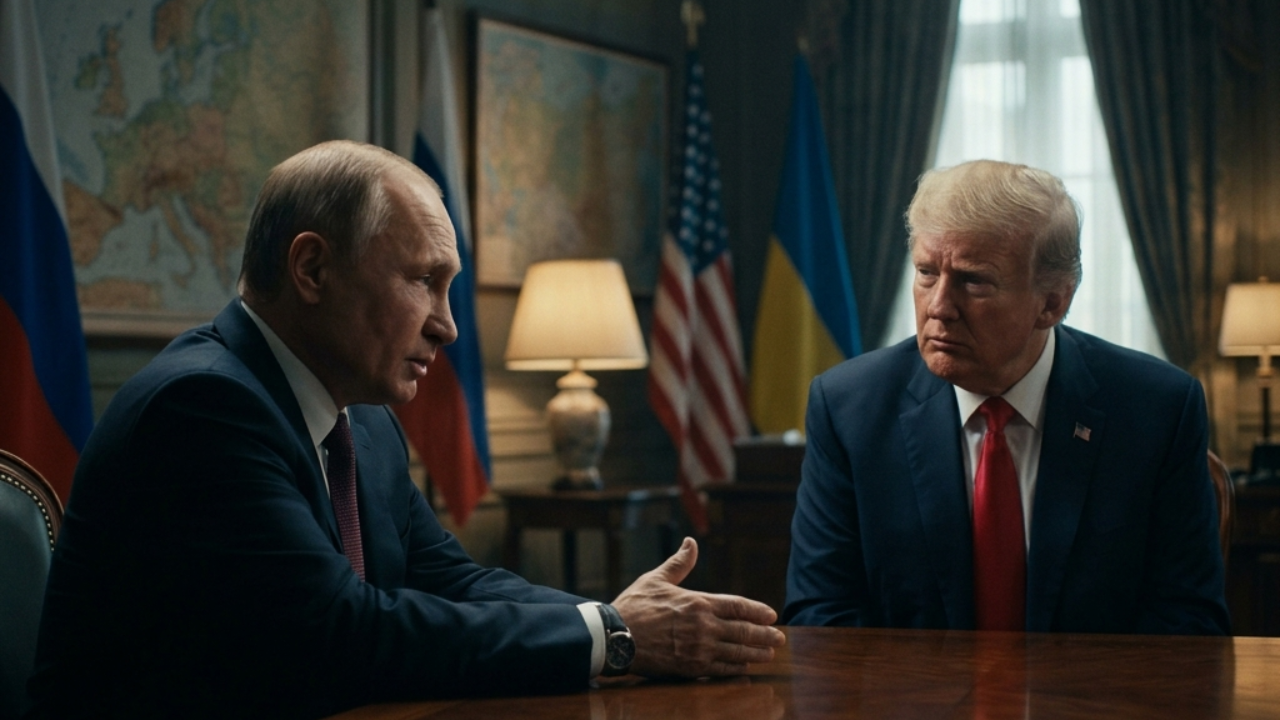
Kremlin foreign affairs aide Yury Ushakov confirmed that Putin held a phone call with Trump lasting approximately 90 minutes, during which the Russian leader expressed his readiness to declare a truce for the Victory Day period. Victory Day marks Russia’s most symbolic national holiday, commemorating the Soviet Union’s victory over Nazi Germany in World War II.
According to Ushakov, Trump “actively supported the initiative, saying that this holiday marks our joint victory over Nazism in World War Two”. The U.S. president also spoke positively about Russia’s recently announced Easter ceasefire, which took place earlier in April.
The conversation between the two leaders was described as “friendly and businesslike,” covering not only the Ukraine conflict but also broader geopolitical issues including Iran’s nuclear program and potential joint economic and energy projects. This marked the first known call between Putin and Trump since March 2026.
Ukraine’s Response to the Proposal
Ukraine has responded to Putin’s Victory Day truce proposal with skepticism and calls for a more comprehensive ceasefire. Ukrainian Foreign Minister Andrii Sybiha questioned the timing of the proposed pause, asking why Russia couldn’t cease fire immediately if it genuinely wanted peace.
“If Russia truly wants peace, it must cease fire immediately. Why wait until May 8th? If the fire can be ceased now and since any date for 30 days—so it is real, not just for a parade,” Sybiha wrote on social media platform X. Ukraine has consistently advocated for a full and unconditional 30-day ceasefire as the first step toward broader peace negotiations, a proposal that Moscow continues to reject.
Ukrainian soldiers on the frontlines reacted with deep skepticism to the ceasefire announcement, viewing it as a tactical pause rather than a genuine peace gesture. Their doubts stem from previous Russian ceasefire violations, particularly during the Easter truce in April 2026.
Pattern of Ceasefire Violations
Putin’s Victory Day proposal comes amid a troubling pattern of ceasefire violations. Earlier in April 2026, Russia declared a ceasefire over the Orthodox Easter holiday, but Ukraine accused Moscow of nearly 11,000 violations during the brief pause in hostilities. By Easter Sunday morning alone, Ukraine’s military reported over 2,000 violations of the ceasefire along the frontlines.
Critics have noted that Putin’s brief ceasefires appear designed more for optics than genuine peace efforts. According to analysis from the Atlantic Council, Putin’s Victory Day ceasefire coincides with a major military parade in Moscow marking the eightieth anniversary of the Soviet victory in World War II, suggesting the pause may be intended to protect the event from potential Ukrainian strikes.
The Broader Peace Process
The Victory Day truce proposal represents the latest development in faltering peace negotiations that began in early 2025 when the United States first proposed a 30-day ceasefire. Ukraine agreed to this unconditional ceasefire in March, but Russia has consistently refused to follow suit without extraordinary preconditions.
During previous phone conversations with Trump, Putin has demanded the complete cessation of all foreign military aid and intelligence support to Ukraine as an “essential prerequisite” for any peace settlement. Russian Foreign Minister Sergei Lavrov has outlined additional conditions including international recognition of Russia’s claim to five partially occupied Ukrainian provinces, removal of all sanctions imposed since 2014, guarantees of Ukrainian neutrality, and significant reductions to Ukraine’s military forces.
Trump has expressed frustration with Russia’s approach to negotiations, suggesting on social media that Putin may be “just tapping me along” and threatening additional sanctions if Moscow doesn’t cooperate more meaningfully. Despite this, the U.S. president characterized Putin’s three-day Victory Day proposal as “a lot” and a significant step toward peace.
International Context
The phone call between Putin and Trump occurred against a backdrop of ongoing international efforts to end the conflict. European leaders, including French President Emmanuel Macron, have emphasized that Russia must demonstrate genuine commitment to peace rather than tactical pauses. A coalition of ten Northern European nations and the United Kingdom has backed the U.S. proposal for an unconditional 30-day ceasefire, questioning why Putin’s offer was limited to just three days.
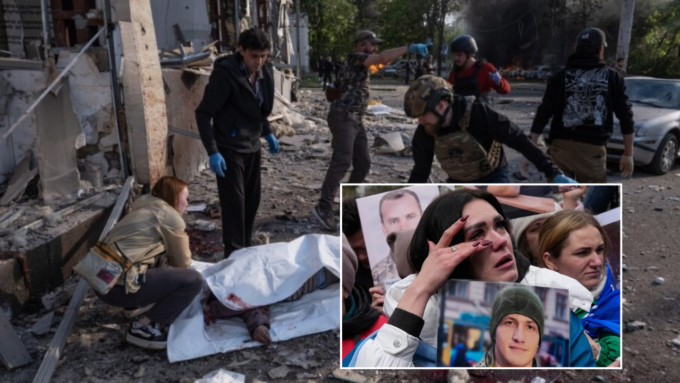
The war in Ukraine, now in its fifth year since Russia’s full-scale invasion in February 2022, has resulted in massive civilian casualties and infrastructure destruction. Energy facilities have been particularly targeted, though Trump previously secured Putin’s agreement to pause strikes on energy infrastructure for 30 days in March 2025.
As May 9 approaches, the international community watches closely to see whether Putin’s Victory Day truce will materialize and whether it represents any genuine progress toward ending the conflict or merely another tactical pause in Russia’s ongoing invasion of Ukraine.




Leave a comment