

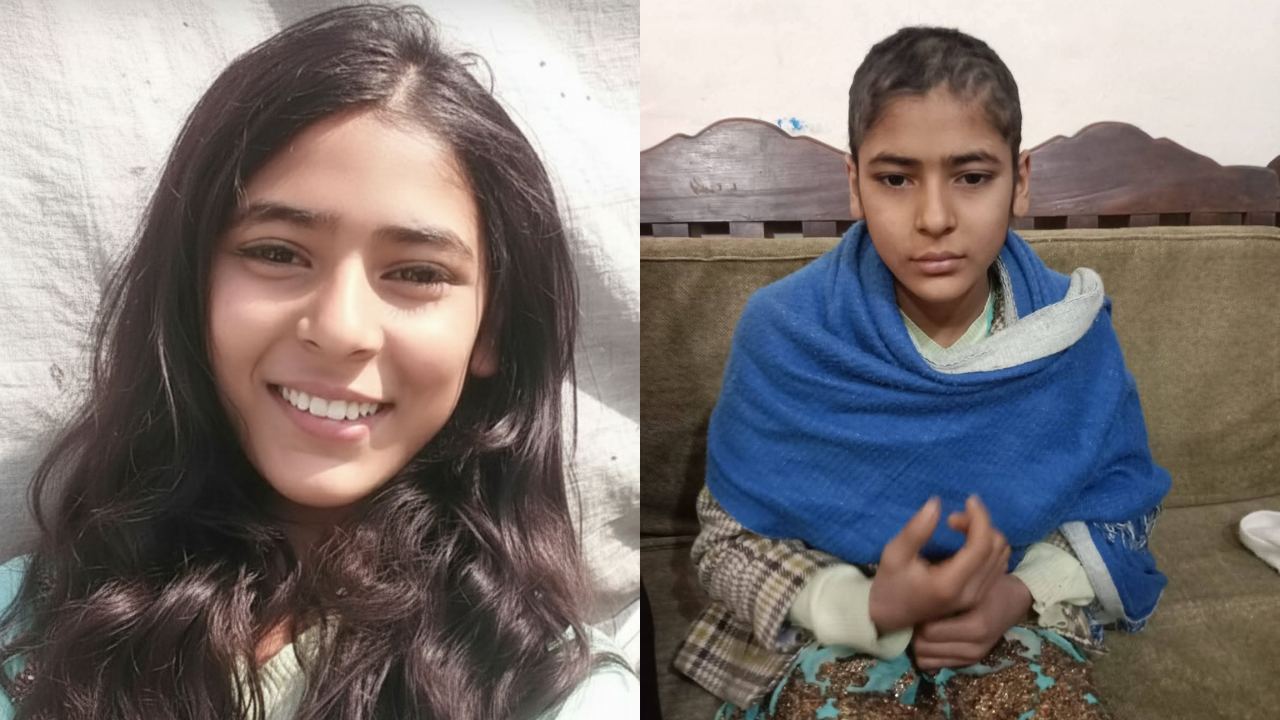
Zarnab is a Pakistani Christian child, no older than 13 or 14. She was working as a domestic worker not by choice, but out of necessity. Poverty left her family with few options. What followed inside the walls of her employer’s house exposes not just individual cruelty, but a wider failure of protection, law, and conscience. According to initial reports, Zarnab was employed in the home of a man named Tariq Gujjar. One day, a minor mistake occurred. Some kitchen utensils broke. For an adult, this would be an inconvenience. For Zarnab, it became a nightmare. She was beaten by Tariq Gujjar. His wife also took part in the assault. The violence escalated beyond physical harm when the child’s hair was cut off, an act of deliberate humiliation meant to shame and dominate her. This was not anger. It was control.
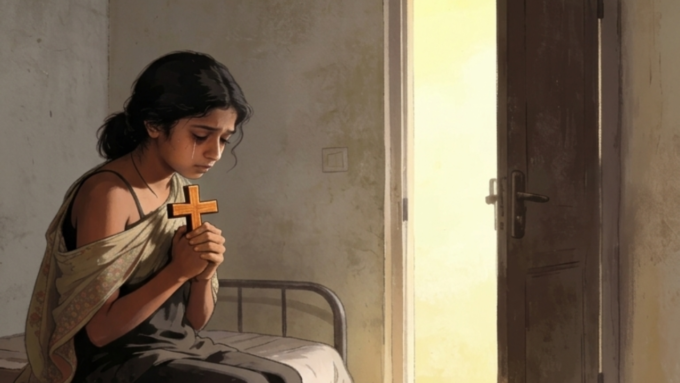
Imagine that moment. A child cornered, crying, pleading, apologising again and again. A child who knew she had no power, no protection, no one to rescue her. The house that was meant to be her workplace became a place of fear. The adults who were meant to be responsible became her abusers.
Reports also indicate that this abuse did not come out of nowhere. There were troubling signs of ill intent. For minority children, especially Christian and Hindu girls working in domestic labour, such vulnerability is well known. Poverty places them behind closed doors, invisible to the law, dependent on the mercy of those who hold power over them.
Zarnab’s suffering is not an isolated case. It mirrors a disturbing pattern in Pakistan where minority girls are exposed to abuse, grooming, false accusations, forced religious conversions, and coerced marriages. Conversion certificates are misused to give exploitation a legal cover. Child marriage is justified in the name of faith. Violence is excused. Victims are silenced.
For Pakistan’s Christian community, fear is not abstract. It is daily. Fear of abuse at work. Fear of false allegations. Fear that justice will favour the powerful. Each incident is followed by brief outrage, then silence. The cycle continues because accountability rarely does.
Zarnab survived. But survival is not justice. Justice means consequences for those who abuse children. Justice means laws that protect the vulnerable before harm occurs. Justice means recognising that a child’s religion does not diminish her humanity. A society must confront uncomfortable truths. When a child is beaten and humiliated for a small mistake, the failure is not hers. It lies with the adults who abused her, the system that failed to protect her, and the silence that allowed it. Zarnab’s story should not fade. Because when cruelty is normalised, it does not stop. It repeats.
Today it was Zarnab. Tomorrow, it will be another child. And the question will remain: who will speak, and who will look away?






Leave a comment