

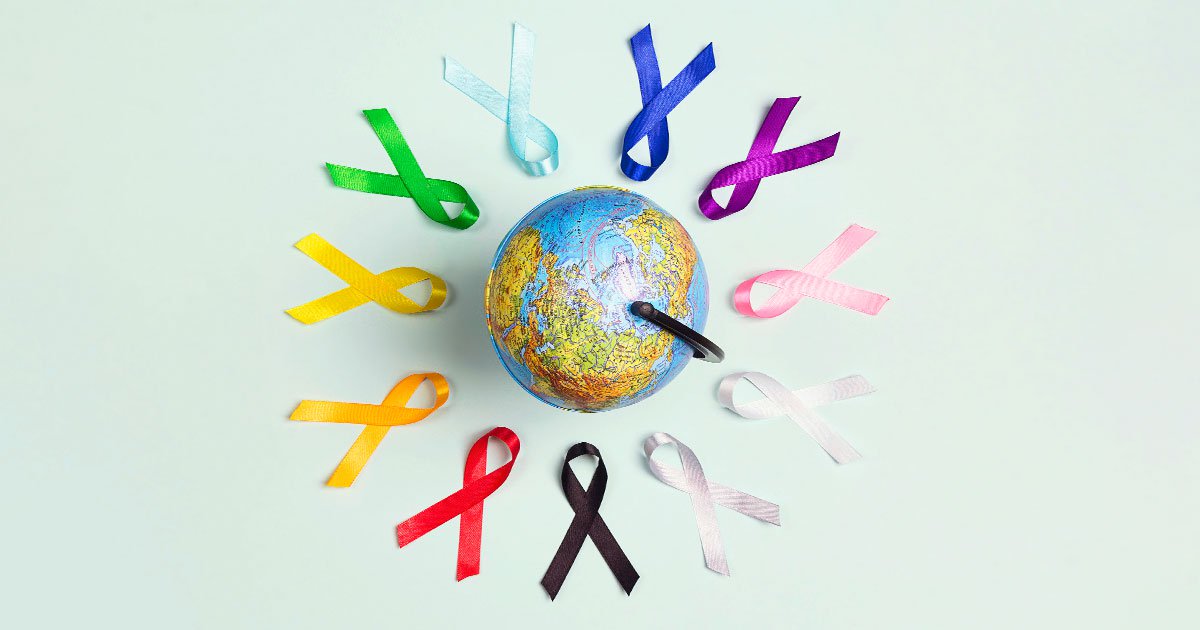
World Cancer Day was observed across the world on February 4, with governments, health organizations, and communities highlighting the growing global impact of cancer and the urgent need for prevention, early detection, and better access to treatment. The day serves as a reminder that cancer remains one of the leading causes of death worldwide, affecting millions of families every year regardless of age, income, or geography.
According to global health data, cancer cases are rising steadily due to factors such as population growth, ageing, lifestyle changes, and environmental risks. Health experts warn that without stronger action, the number of new cancer cases is expected to increase significantly in the coming decades, placing additional pressure on already strained healthcare systems, especially in low- and middle-income countries.
This year’s observance focused on awareness and equity in cancer care. Many international health bodies stressed that while medical advances have improved survival rates in wealthier countries, access to early diagnosis and treatment remains unequal. In many parts of the world, people are diagnosed too late because of limited screening services, lack of awareness, or high treatment costs.
Events marking World Cancer Day included public awareness campaigns, free screening programs, educational seminars, and messages from political leaders and medical professionals. Hospitals and health organizations used the occasion to encourage people to adopt healthier lifestyles, including quitting smoking, maintaining a balanced diet, exercising regularly, and reducing exposure to known cancer risks.
Medical experts emphasized that a large number of cancer cases can be prevented. Tobacco use alone remains the biggest avoidable risk factor, responsible for millions of cancer-related deaths each year. Other preventable risks include excessive alcohol consumption, unhealthy diets, obesity, physical inactivity, and exposure to pollution or harmful chemicals. Vaccination programs against infections such as hepatitis B and human papillomavirus have also proven effective in preventing certain types of cancer.
Early detection was another key message of the day. Doctors stressed that cancers such as breast, cervical, colorectal, and skin cancer have much higher survival rates when detected early. Regular screening and awareness of warning signs can save lives, but many people still lack access to these services or delay seeking medical help.
World Cancer Day also drew attention to the emotional and social impact of the disease. Cancer affects not only patients but also their families and caregivers. Mental health support, palliative care, and social services were highlighted as essential parts of comprehensive cancer care, especially for patients facing advanced stages of the illness.
In many countries, governments used the day to reaffirm commitments to strengthen national cancer control plans. These include investing in healthcare infrastructure, training medical staff, improving access to medicines, and supporting research. International cooperation was also emphasized, as sharing knowledge and resources is seen as critical to reducing the global cancer burden.
Despite the challenges, health experts pointed to progress in cancer research and treatment. Advances in targeted therapies, immunotherapy, and precision medicine have improved outcomes for many patients. However, they stressed that these innovations must be made accessible to all, not just those in wealthier regions.
As World Cancer Day was marked worldwide, the message remained clear: cancer is a global challenge that requires collective action. Through prevention, early detection, equitable treatment, and sustained investment in health systems, millions of lives can be saved, and the impact of the disease can be reduced for future generations.









Leave a comment