

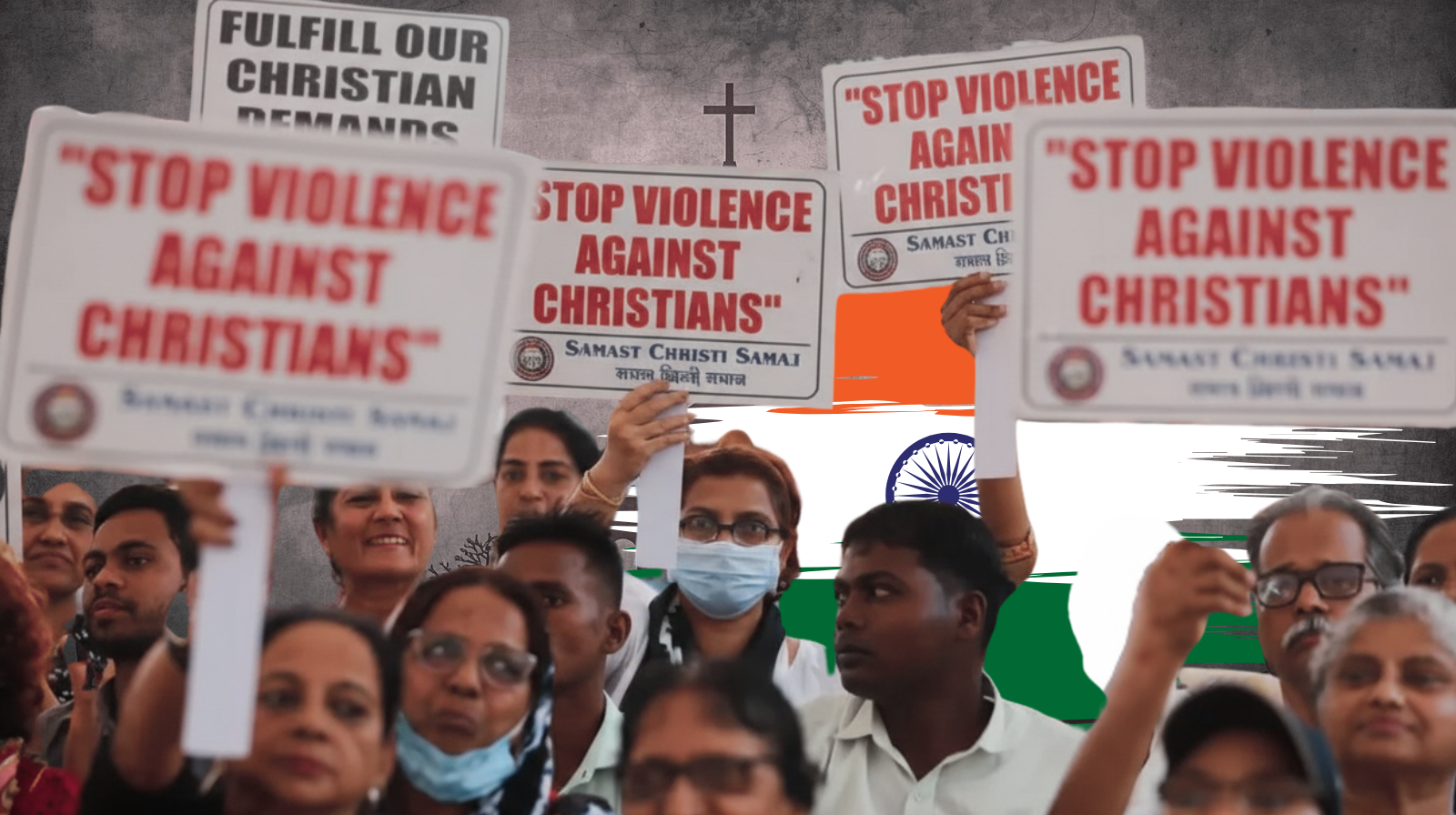
Recent events across parts of India reveal extremist Hindutva groups crossing dangerous boundaries. Churches were stormed during prayer services, Christmas decorations vandalised, and carol singers harassed in public spaces. Small vendors selling Santa costumes faced heckling and intimidation. These acts were not isolated mistakes but deliberate efforts to humiliate, silence, and instil fear among a religious minority.
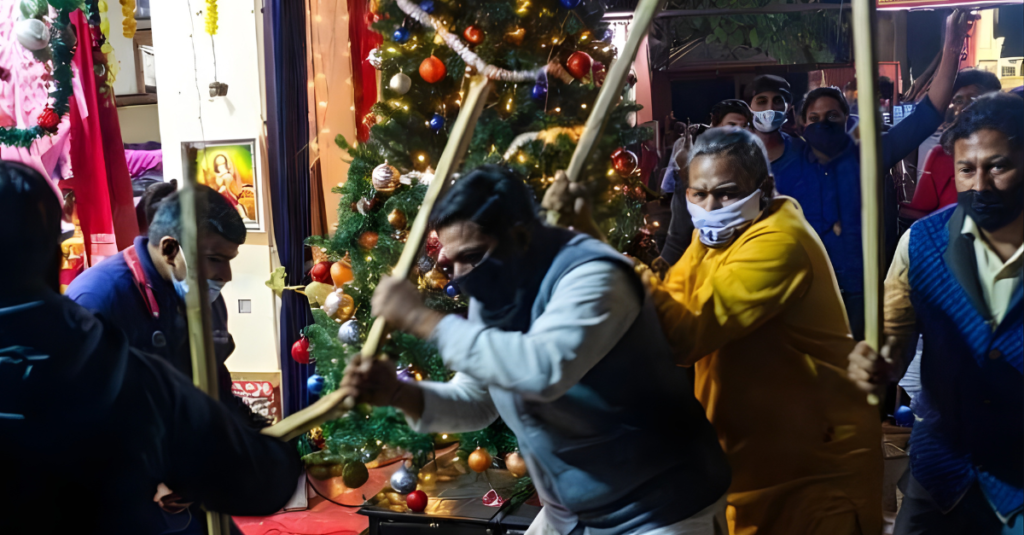
For Christians, Christmas is a spiritual occasion, not a political statement. It embodies worship, family, charity, and peace. Disrupting church services or destroying decorations is an attack on religious freedom; vandalism, not cultural preservation. Harassing young carol singers reflects a mindset that perceives difference as a threat rather than recognising diversity.
What makes these incidents more troubling is the confidence with which they are carried out. Perpetrators often act openly, aware that consequences are unlikely. This impunity sends a clear message: minority safety is conditional, and faith is tolerated only if kept invisible.
India’ s constitution guarantees religious freedom and the right to practise and propagate one’ s faith. Yet, these rights often feel hollow when mobs disrupt Christmas celebrations without fear. Weak responses or silence from authorities deepen these wounds, leaving victims feeling abandoned by the state entrusted to protect them.
This is not an attack on Hinduism but a critique of Hindutva, a political ideology that weaponises religion to promote dominance and exclusion, unlike the deep traditions of tolerance within Hinduism, Christianity, Islam, Sikhism, and others.
Targeting Christmas reveals underlying insecurities. A truly confident society does not need to intimidate minorities. Strength involves allowing diverse beliefs to coexist peacefully, especially during sacred moments.
If unchecked, these actions threaten to do more than break decorations or interrupt prayers. They risk normalising hatred, shrinking civic space, and damaging India’ s pluralistic identity. Speaking out supports human dignity and the basic right to celebrate faith without fear.
Religious freedom is a right, not a privilege granted by the majority. When it is attacked, silence equates to complicity.






2 Comments