

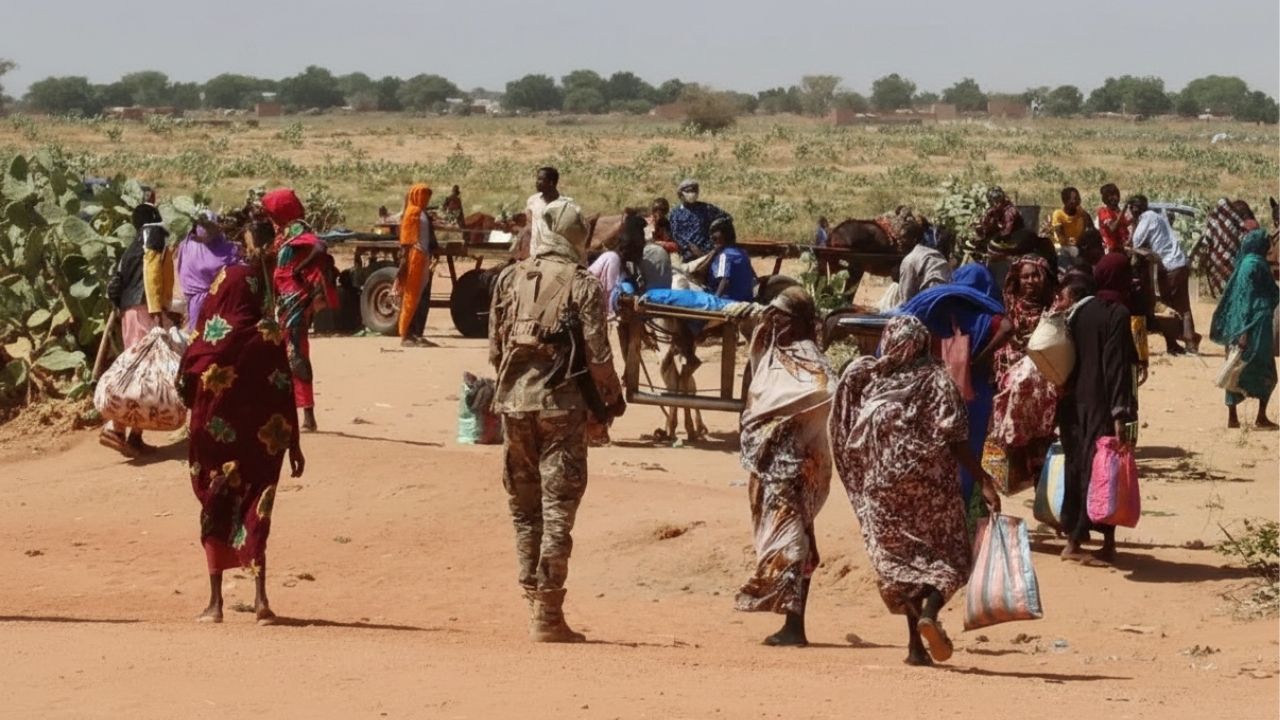
The UN’s top human rights official has raised urgent alarm after a series of drone strikes by rival forces in Sudan killed scores of civilians, deepening global concern over possible war crimes and systematic violations of international humanitarian law.
Drone strikes kill at least 57 civilians
According to the Office of the UN High Commissioner for Human Rights (OHCHR), at least 57 civilians, including around 15 children, were killed in separate drone attacks over a two‑day period between 15 and 16 February across four Sudanese states. The strikes hit densely populated civilian areas far from the front lines of fighting between the Sudanese Armed Forces (SAF) and the paramilitary Rapid Support Forces (RSF), which have been locked in a brutal power struggle since April 2023.
In North Kordofan, an alleged SAF drone struck the Al Safiya market in Sudari locality on 15 February, killing roughly 28 civilians and injuring at least 13 others as they went about their daily business. A day later in West Kordofan, another alleged SAF drone hit a shelter for internally displaced people (IDPs) in Al Sunut, killing about 26 civilians, among them many women and 15 children, and wounding scores more.
Civilian sites hit: markets, schools and hospitals
UN officials and humanitarian groups say the latest attacks are part of a disturbing pattern in which drones repeatedly strike civilian sites, sometimes with follow‑up attacks that increase the casualty toll. OHCHR reports that, in addition to markets and IDP shelters, drones have also targeted at least two primary schools in South Kordofan and a hospital in Sennar State, facilities that should enjoy special protection under international law.
Aid organizations working in Sudan warn that these strikes are compounding an already catastrophic humanitarian crisis, disrupting medical services, food markets and safe havens for displaced families. Millions have fled their homes since the conflict erupted, and repeated attacks on healthcare centres, places of worship and residential neighbourhoods are making it even harder to deliver life‑saving assistance.
For broader context on attacks against civilians in conflict zones, readers can consult analysis from groups like Human Rights Watch.
UN rights chief issues stark warning
UN High Commissioner for Human Rights Volker Türk said the latest killings are a fresh reminder of the “devastating consequences” of the escalating use of drone warfare in Sudan and demanded immediate steps to protect civilians. He stressed that all parties must cease attacks on civilian objects and refrain from using civilian infrastructure, such as schools, markets and hospitals, for military purposes.
Türk also called on states with influence over the warring parties to halt arms transfers that are fuelling the conflict, underscoring that continued support risks enabling further grave abuses. His office warned that the pattern of indiscriminate or deliberate strikes on civilians could amount to war crimes and must be subject to independent investigation and accountability measures.
Mounting human rights and genocide concerns
The drone strikes come as UN‑mandated investigators and rights experts document broader atrocities, including evidence of a possible genocidal campaign targeting non‑Arab communities in parts of Darfur. A recent UN fact‑finding mission report on El Fasher concluded that RSF‑aligned forces have met several criteria for genocide, citing mass killings, widespread sexual violence and deliberate creation of deadly living conditions for specific ethnic groups.
Humanitarian and rights organizations say the intensifying air and drone campaign is narrowing already shrinking humanitarian space and leaving civilians with no safe refuge. The Sudan INGO Forum has urged all sides to immediately stop attacks on civilians and civilian infrastructure, warning that continued violations of the Jeddah Declaration and international humanitarian law will drive the country deeper into famine and mass displacement.
For more detailed legal analysis of international humanitarian law obligations in conflicts like Sudan, readers can refer to resources from the International Committee of the Red Cross.
International pressure for ceasefire and accountability
Diplomats at the UN Security Council are now under growing pressure to move beyond statements of concern and adopt concrete measures to protect civilians in Sudan, including targeted sanctions on those responsible for serious abuses. Briefers to the Council have highlighted the sharp rise in drone attacks in Kordofan and Darfur, warning that the conflict could further destabilize the Horn of Africa if left unchecked.
Rights advocates stress that any sustainable peace will require credible investigations, prosecution of those responsible for unlawful attacks, and guarantees of non‑recurrence for affected communities. As drone warfare becomes more central to Sudan’s conflict, the UN rights chief’s alarm is a stark signal that the world cannot ignore the mounting human cost or the broader erosion of international human rights norms.







Leave a comment