

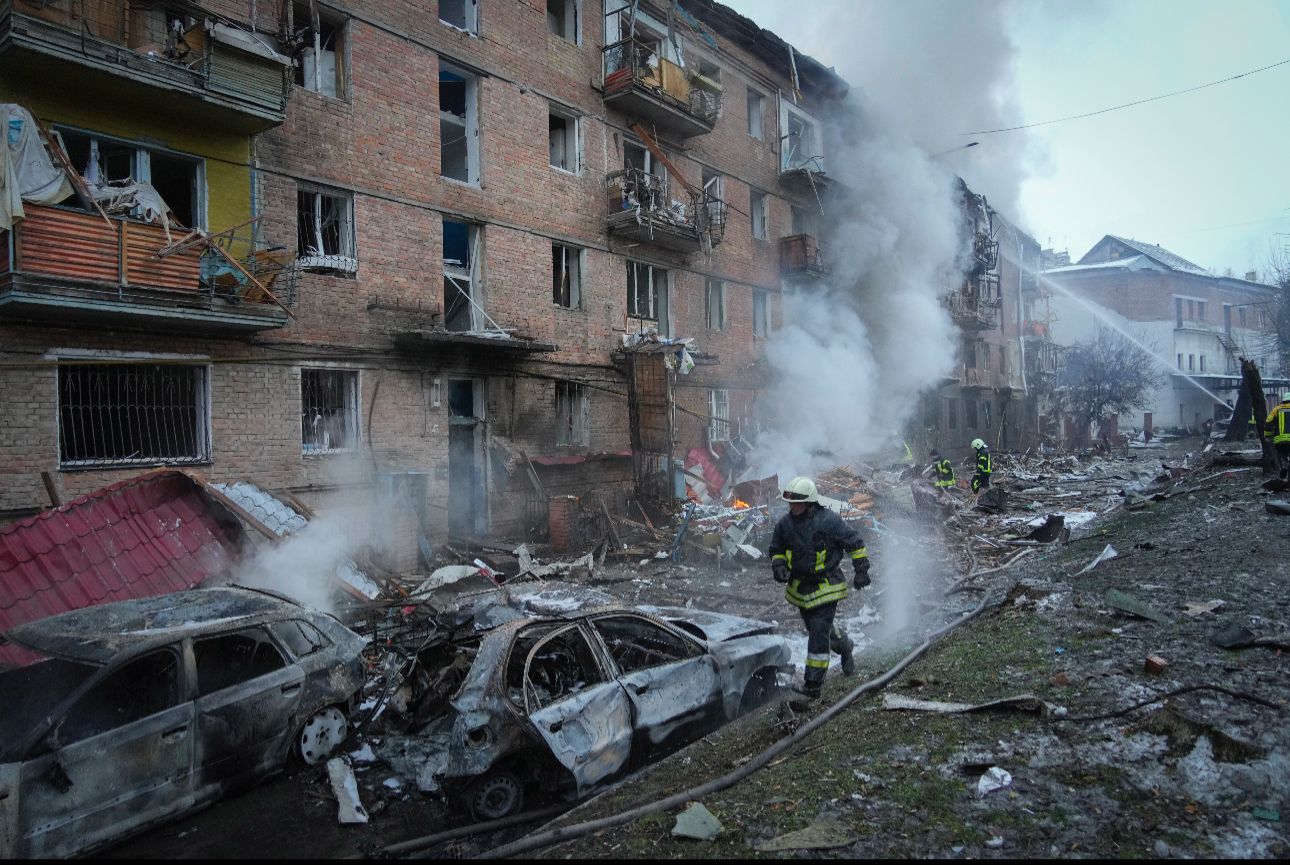
The war in Ukraine has entered a prolonged and uncertain phase, marked less by rapid battlefield changes and more by strategic recalibration on both sides. As the conflict stretches into another year, signs of fatigue are emerging among Ukraine’s international backers, while Russia continues to adapt its military and economic approach.
Ukraine’s counteroffensive efforts have slowed, constrained by manpower shortages, ammunition limits, and heavily fortified Russian defensive lines. While Ukrainian forces retain control over key territories, expectations of swift territorial breakthroughs have largely faded.
Western military aid remains significant but increasingly contested politically. Debates within donor countries focus on costs, domestic priorities, and the sustainability of long-term support. This uncertainty complicates Kyiv’s strategic planning and weakens morale among civilian populations already strained by repeated missile attacks and infrastructure damage.
Russia, meanwhile, has shifted toward attritional warfare, relying on missile strikes, drones, and economic resilience. Despite sanctions, Moscow has managed to stabilise parts of its economy through alternative trade routes and increased domestic production.
Civilians continue to bear the brunt. Energy infrastructure remains a frequent target, creating recurring risks during winter months. Millions remain displaced internally or abroad, while reconstruction efforts are limited by ongoing hostilities.
Diplomatic efforts show little progress. Peace proposals lack mutual trust, and both sides appear committed to military pressure as leverage. Analysts warn that without renewed diplomatic engagement, the conflict risks becoming a frozen war with periodic escalations rather than a resolved crisis.







Leave a comment