

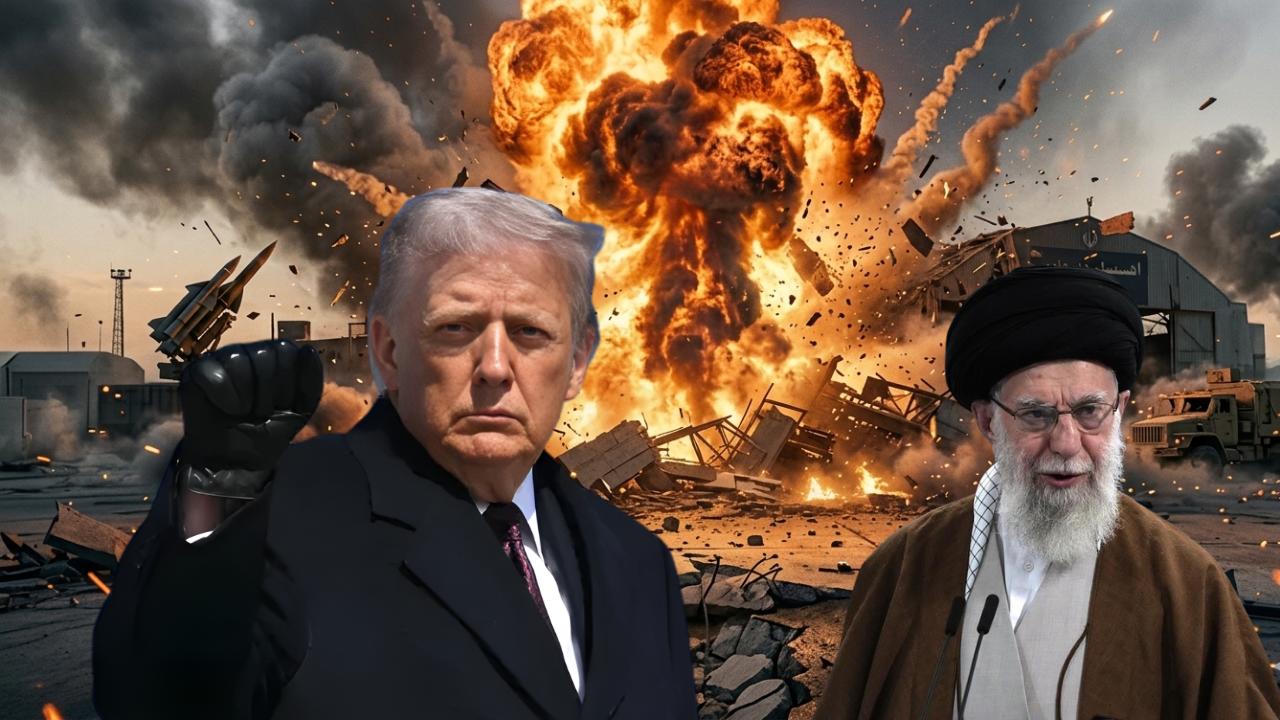
The United States and Israel have unleashed Operation Epic Fury, a massive joint military campaign against Iran, marking one of the most significant escalations in Middle East tensions. Explosions rocked Tehran and other key cities as fighter jets and naval forces struck missile sites, naval bases, and leadership compounds early Saturday morning.
Operation Details and Strategic Targets
Operation Epic Fury began with precision daytime strikes coordinated between U.S. and Israeli forces after months of planning. Targets included Iran’s missile production facilities, IRGC bases, naval installations in Bushehr, and sites near Supreme Leader Ayatollah Ali Khamenei’s office, aiming to dismantle Tehran’s offensive capabilities. President Donald Trump described the mission as essential to “destroy their missiles and raze their missile industry to the ground,” while Israeli Prime Minister Benjamin Netanyahu called it a step to “remove the existential threat” from the Iranian regime.
The operation’s timing, ahead of the Jewish holiday of Purim, caught Iranian defenses off guard, with initial phases expected to last several days. U.S. forces deployed B-2 bombers and carrier-based aircraft from the region, supported by Israel’s advanced fighter jets striking dozens of sites. For in-depth live coverage, see AP News updates on the strikes.
Iranian Retaliation and Rising Casualties
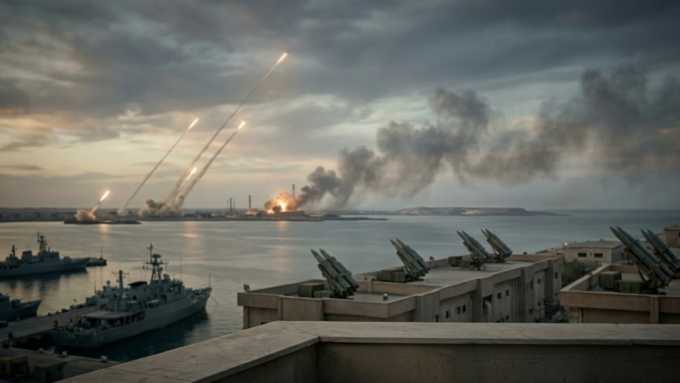
Iran swiftly retaliated, firing ballistic missiles at northern Israel, U.S. bases in Bahrain, and sites across the Gulf including Jordan, Syria, Kuwait, Qatar, Saudi Arabia, and the UAE. The IRGC targeted the U.S. 5th Fleet headquarters in Bahrain, while air raid sirens blared in Israel and explosions were reported in Tehran, Tabriz, Qom, and other cities.
Casualties mounted quickly, with reports of thousands of IRGC personnel killed or wounded, including senior commanders like Defense Minister Aziz Nasirzadeh, IRGC’s Mohammad Pakpour, and possibly Supreme National Security Council head Ali Shamkhani. Iranian state media confirmed strikes on military and political centers, though exact figures remain unverified amid the chaos. Two Iraqi Popular Mobilization Forces fighters died in related strikes near Baghdad.
Leadership Messages and Regime Change Calls
President Trump urged Iranians to “take over your government,” offering immunity to forces who surrender while promising “certain death” to those who resist. Netanyahu echoed this, stating the strikes create conditions for the Iranian people to seize their destiny from the “terrorist regime.” Iran’s Foreign Ministry condemned the attacks as “criminal aggression,” vowing a “decisive and definitive” response and warning all U.S. and Israeli interests are now targets. These statements signal a broader U.S.-Israeli strategy blending military pressure with calls for internal uprising, amid Iran’s ongoing internal.
Global Reactions and Regional Fallout
World leaders expressed alarm as the strikes risked broader war. The Houthis in Yemen vowed to resume Red Sea attacks, complicating shipping lanes. Israel’s airspace closed to civilians, and reservists mobilized for air defense. Iran’s repression of protests intensified earlier this year, with death tolls disputed from 3,000 to over 30,000, setting the stage for potential domestic backlash.
Energy markets braced for shocks, with strikes near Tehran’s gas depot and South Pars field threatening supplies. For expert analysis, refer to Atlantic Council reactions.
Implications for Middle East Stability
Operation Epic Fury stems from failed nuclear talks, with Trump demanding compliance after a 10-day ultimatum. By crippling Iran’s missile and naval assets, the U.S. and Israel aim to neutralize threats to allies and forces in the region. However, Tehran’s missile barrages and vows of escalation raise fears of a prolonged conflict drawing in proxies like Hezbollah or the Houthis.
As of February 28, 2026, the operation continues, with U.S. officials assessing damage to Iran’s capabilities. This bold move under Trump’s leadership could reshape Middle East power dynamics, but at the risk of uncontrollable retaliation.



Leave a comment