

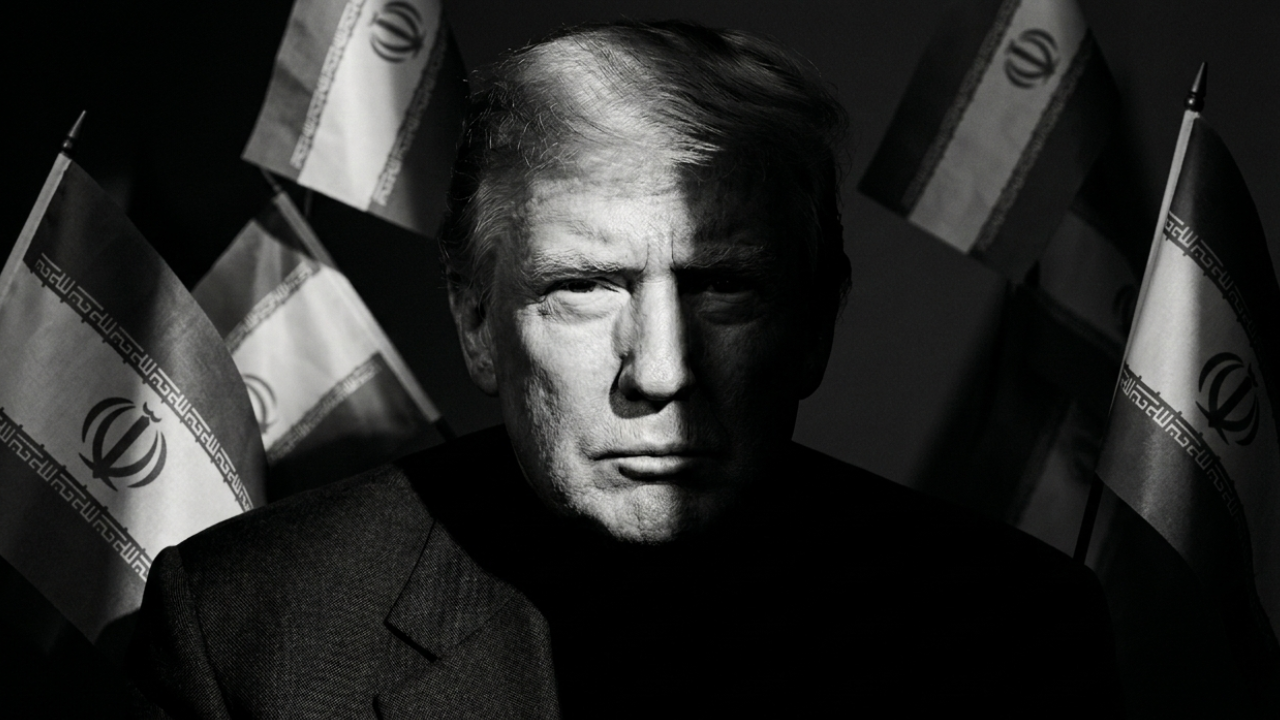
President Donald Trump has sharply escalated his rhetoric on Iran, warning that the United States could use military force if Tehran does not curb its nuclear ambitions as indirect talks stall in Geneva. His comments come amid a rapid U.S. military buildup in the Middle East and growing fears that faltering diplomacy could slide into open conflict.
Talks stall as pressure rises
The latest round of indirect U.S.–Iran nuclear talks in Geneva ended without a breakthrough, despite public expressions of “progress” from mediators. U.S. officials say major gaps remain on key issues, including limits on enrichment, verification measures, and Iran’s ballistic missile program.
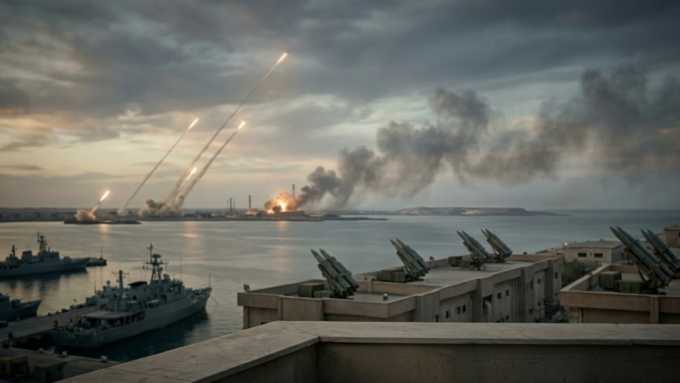
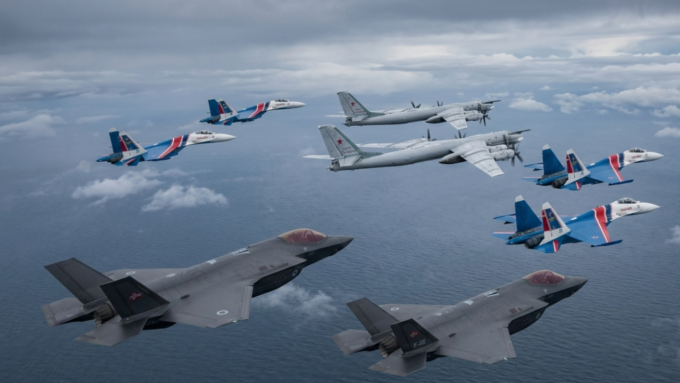
At the same time, Washington has deployed additional air and naval assets to the region, signaling that the military option is not merely theoretical. Senior commanders, including the top U.S. officer in the Middle East, have recently briefed Trump on a spectrum of possible strikes targeting Iran’s nuclear and missile infrastructure.
Trump’s warning of military force
Speaking to reporters, Trump said he would “love not to” attack Iran but added that “sometimes you have to,” underscoring his readiness to authorize force if diplomacy fails. In his recent State of the Union address, he vowed that he would “never” allow Iran, which he labeled the “world’s number one sponsor of terror,” to obtain a nuclear weapon.
Trump has previously claimed that earlier U.S. strikes had “obliterated” several key Iranian nuclear sites, though intelligence assessments say those facilities were disabled but not completely destroyed. Advisors describe his current posture as a dual-track approach: publicly stressing a preference for a deal while privately keeping open the option of limited or wider military strikes.
Internal debate in Washington
Within Trump’s inner circle, there is an intense debate over whether to give diplomacy more time or move toward a decisive strike. Some aides, including close advisor Jared Kushner, are said to favor extending talks, arguing that sanctions and military pressure are steadily weakening Iran and could yield more concessions.
Others inside the administration and on Capitol Hill are increasingly skeptical that Tehran will ever accept U.S. “red lines” and believe that a calibrated strike may be necessary to force Iran back to the table. Military planners, however, caution that while the U.S. can conduct short, sharp operations, sustaining a prolonged bombing campaign would require far greater resources.
Iran’s response and regional risks
Iranian leaders have condemned Trump’s remarks as “big lies” and accused Washington of manufacturing a crisis to justify further sanctions and possible military action. Tehran insists its nuclear program is peaceful and has already made commitments not to build nuclear weapons, though its stockpile of enriched uranium continues to alarm Western intelligence agencies.
Analysts warn that any U.S. strike—whether limited or large-scale—could trigger a wider regional conflict involving Iranian proxies across the Middle East. Key U.S. partners, including Israel and several Gulf states, are closely watching the Geneva talks and quietly preparing for possible escalation. For broader context on the nuclear dispute and its regional implications, readers can consult in‑depth explainers from think tanks such as the Carnegie Endowment for International Peace or the International Crisis Group.
What’s next for the nuclear talks?
U.S. officials have indicated that Iran may have only a short window—measured in days or weeks—to present a more comprehensive proposal before Washington reassesses its options. If Tehran does not address American demands on enrichment and missiles, Trump could move from threats to action, potentially starting with targeted strikes on nuclear and missile sites.
For now, both sides publicly say they still prefer a negotiated outcome, but expectations of a breakthrough remain low. With military assets already in place and rhetoric hardening on both sides, the risk that stalled nuclear talks could tip into a U.S.–Iran confrontation is rising sharply. Readers seeking detailed legal and historical background on U.S.–Iran nuclear negotiations can explore resources from the Arms Control Association.




Leave a comment