

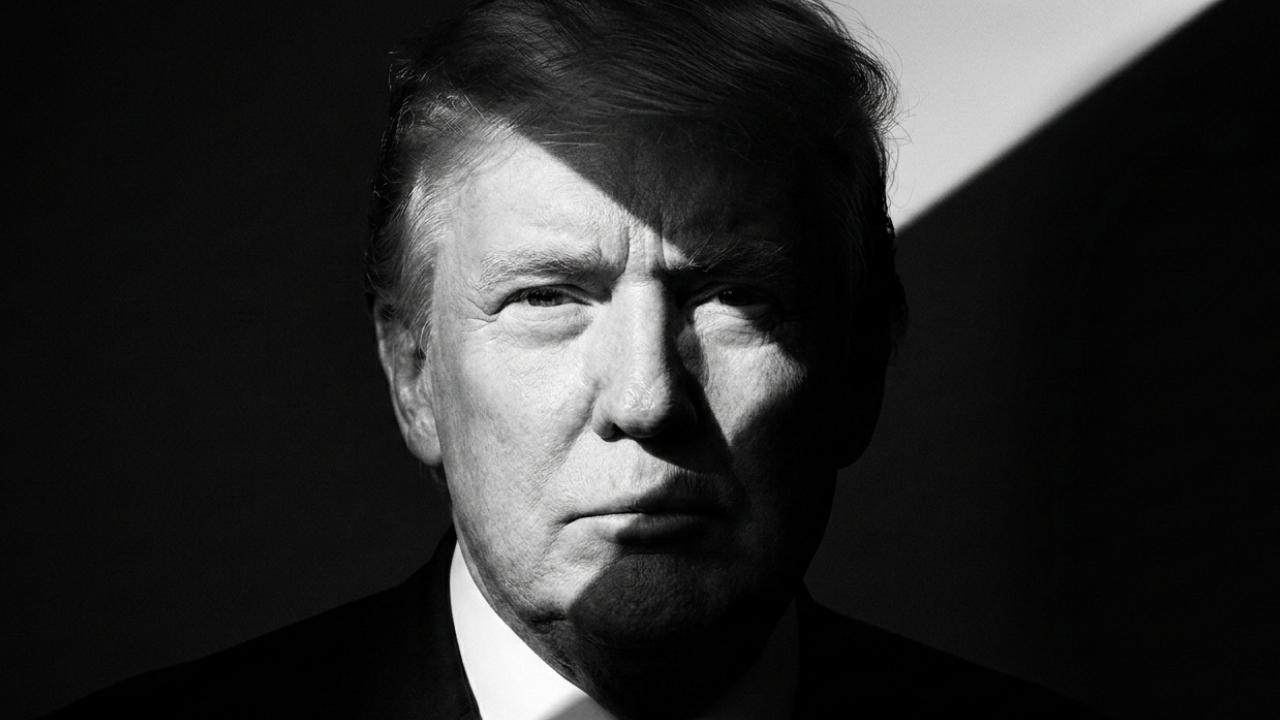
President Donald Trump has sparked global headlines by suggesting a “friendly takeover” of Cuba, as the island nation reels from a U.S.-imposed oil blockade that’s pushing its economy to the brink. This provocative remark, delivered amid ongoing secret talks, underscores Washington’s aggressive strategy to force regime change in Havana without direct military action.
Escalating Energy Crisis in Cuba
Cuba’s dependence on imported oil has left it vulnerable after the U.S. severed key supplies. Following the January 2026 U.S. military operation that captured Venezuelan leader Nicolás Maduro, shipments from Caracas halted, depriving Havana of its primary lifeline. President Trump then declared a national emergency, threatening tariffs on any country—especially Mexico—sending fuel to the island, effectively creating what critics call a de facto blockade.
The fallout has been catastrophic. Widespread blackouts plague Cuban cities, crippling transportation, healthcare, and food production. Factories stand idle, hospitals ration power, and citizens queue for hours amid soaring prices for basics. UN officials warn of a deepening humanitarian crisis, with no quick relief in sight. For more on the blockade’s mechanics, see the White House executive order.
Trump’s Bold Statement and Diplomatic Backchannel
On February 27, 2026, as he boarded Marine One en route to Texas, Trump addressed reporters for the first time since a deadly Cuban Coast Guard incident that killed four Americans on a Florida-bound boat. “The Cuban government is talking with us. They’re in a big deal of trouble… no money, no anything,” he said. “Maybe we’ll have a friendly takeover of Cuba. We could very well end up having a friendly takeover of Cuba.
Trump credited Secretary of State Marco Rubio with leading high-level discussions, emphasizing Cuba’s desperation: no oil, no food, a “failing nation.” He framed the overture as beneficial for Cuban exiles in Florida, a pivotal voting bloc, hinting at economic deals that could allow them to reclaim properties seized post-1959 revolution. This comes after Trump ruled out Venezuela-style intervention, opting instead for pressure tactics under the Helms-Burton Act.
Havana’s Defiance and Internal Strains
Cuban leaders decry the measures as “economic genocide” and “fascist aggression.” Foreign Minister Bruno Rodríguez slammed the U.S. for fabricating threats like Cuban ties to Hamas, Hezbollah, Russia, and Iran—claims Trump used to justify the emergency. President Miguel Díaz-Canel announced emergency fuel rationing plans, but blackouts persist, fueling public unrest.
While Havana denies formal talks on regime change, sources indicate quiet diplomacy. Rubio has urged “substantial reforms” for better living standards, blaming communist mismanagement since Fidel Castro’s era. A recent U.S. tweak allows licensed Venezuelan oil sales to non-government entities, but it excludes military-linked buyers, tightening the noose.
Global Reactions and Geopolitical Stakes
International response mixes alarm and opportunism. Caribbean neighbors fear regional destabilization from Cuba’s woes. Russia and China condemned the Venezuela raid’s ripple effects, viewing it as U.S. hegemony. Analysts predict the blockade could collapse Cuba’s health system and infrastructure by mid-2026.
- Key impacts include:
- 60% drop in power generation, per UN estimates.
- Protests surging in Havana and Santiago.
- U.S. lawmakers pushing for remittance bans and flight cuts.
Trump’s gambit aligns with his “America First” reboot, reshaping Latin American energy flows post-Maduro. For deeper analysis, check this New York Times report on the blockade.
Implications for U.S.-Cuba Relations
A “friendly takeover” evokes 1898 history when the U.S. intervened in Cuba’s independence war, leading to occupation until 1902. Trump positions it as voluntary transition amid collapse, potentially installing exile-friendly governance. Success could end decades of embargo, boost U.S. oil influence, and counter Chinese-Russian footholds.
Yet risks loom: failed talks might spark migration waves or proxy conflicts. Cuba’s military remains loyal, but economic freefall erodes that. As Rubio negotiates, the world watches if pressure yields capitulation or defiance. Trump’s ultimatum echoes his Truth Social post: “Make a deal before it’s too late.
This standoff defines 2026’s flashpoint, blending energy weaponization with old Cold War grudges. With Cuba’s crisis peaking, Trump’s vision could redraw the Caribbean map—or ignite new tensions.





Leave a comment