

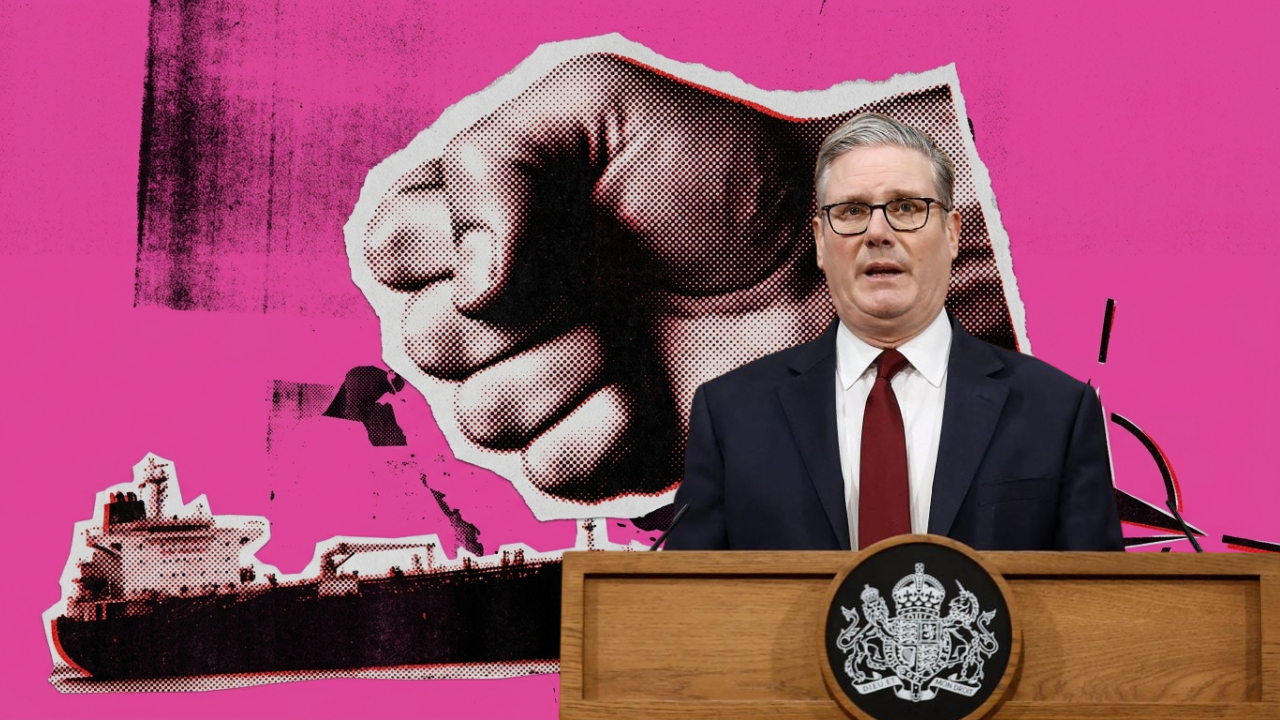
UK Prime Minister Keir Starmer has firmly ruled out a NATO-led operation to reopen the Strait of Hormuz, emphasizing a broader multinational coalition instead. This statement comes as global oil markets reel from the waterway’s closure triggered by escalating tensions with Iran.
Background of the Hormuz Crisis
The Strait of Hormuz, a narrow chokepoint between Iran and Oman, handles about one-fifth of the world’s oil supply, making it vital for global energy security. Tensions exploded in late February 2026 when US and Israeli airstrikes targeted Iran, including the killing of Supreme Leader Ali Khamenei, prompting Iranian retaliation with missiles, drones, and sea mines that effectively sealed the strait.
Shipping traffic halted, tanker attacks occurred—like the US-flagged Stena Imperative hit in Bahrain—and oil prices surged worldwide. Iran’s IRGC warned against any vessel passage, turning the area into a high-risk zone and amplifying fears of broader Middle East conflict.
For deeper context on the crisis origins, see the Wikipedia entry on the 2026 Strait of Hormuz crisis.
Starmer’s Key Statement and Rationale
On March 16, 2026, Starmer addressed reporters, clarifying the UK’s position. “We are working with others to come up with a credible plan for the Straits of Hormuz to ensure that we can reopen shipping and passage through the Strait. Let me be clear, that won’t be and it’s never been envisioned to be a NATO mission,” he said.
He stressed collaboration with Gulf states, European allies, and the United States to form a “viable, collective plan” focused on restoring navigation without dragging NATO into direct involvement. Starmer noted the complexity: “This is not an easy endeavor,” highlighting risks from mines and Iranian threats while underscoring the need to avoid wider war.
The UK already deploys minehunters in the region, but no final decisions on escalation have been made. Starmer’s approach prioritizes economic stability over military confrontation.
US Pressure and Trump’s Call to Action
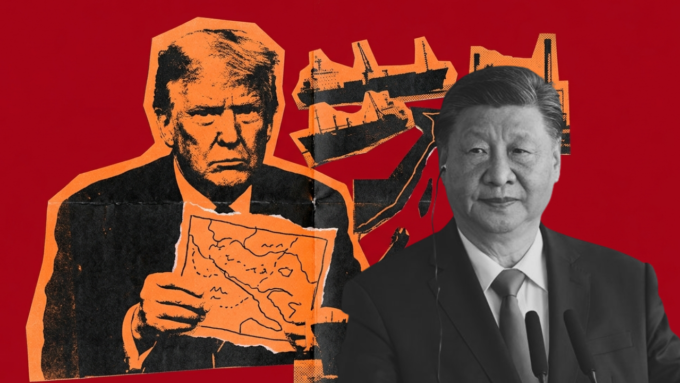
President Donald Trump’s recent appeals have intensified the diplomatic push. Trump urged the UK, China, France, Japan, South Korea, and others to join a “team effort” deploying warships to secure the strait, criticizing hesitancy amid soaring energy costs.
Starmer’s response balances alliance ties with caution, rejecting a NATO framework possibly to sidestep invoking Article 5 or alienating non-NATO Gulf partners. Analysts see this as the UK navigating post-Brexit foreign policy amid Trump’s aggressive stance.
Global Economic Fallout and Urgency
The closure has spiked oil prices, disrupted trade, and strained economies from Europe to Asia. Reopening the strait is essential for market stability, with experts warning prolonged blockage could trigger recession.
- Daily oil flow through Hormuz: ~20 million barrels, per pre-crisis data.
- Current tanker avoidance: Near-total since March 2, 2026.
Gulf nations, heavily reliant on the route, back multilateral efforts, while Iran’s threats persist despite US-Israeli strikes weakening its capabilities.
Implications for International Alliances
Starmer’s stance signals a shift toward flexible coalitions over rigid NATO commands in Middle East hotspots. It echoes UK’s reluctance for deeper entanglement, prioritizing diplomacy with Gulf allies like Saudi Arabia and UAE.
Critics in the US view it as foot-dragging, but supporters praise the measured tone to de-escalate. As planning advances, watch for joint statements from London, Washington, and Gulf capitals outlining mine-clearing and escort operations.
This development underscores evolving geopolitics: NATO’s European focus versus ad-hoc groups for energy security. With oil volatility persisting, swift action remains critical to avert further shocks.





Leave a comment