

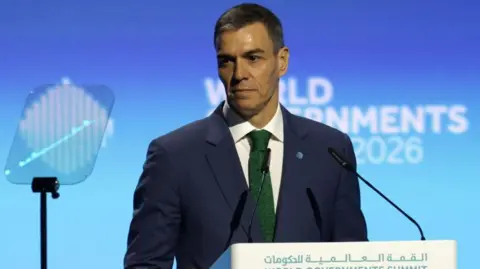
Spain is preparing new legislation that would restrict access to social media platforms for children under the age of 16, marking one of the strongest moves in Europe to address online safety for minors. The proposal comes amid growing concern about the impact of social media on children’s mental health, privacy, and exposure to harmful content.
According to Spanish officials, the plan aims to create a safer digital environment by limiting how young users interact with social media platforms. The government has said that children are increasingly exposed to cyberbullying, online harassment, addictive content, and inappropriate material at an early age. Lawmakers believe stricter rules are needed to protect minors and give parents more control over their children’s online lives.
Under the proposed system, social media companies would be required to introduce stronger age verification measures. This could include digital identity checks or parental authorization tools to ensure that users under 16 cannot create accounts without consent. Companies that fail to comply could face fines or other penalties under Spanish law.
The proposal reflects wider concerns across Europe. Governments and regulators have been debating how to balance freedom of expression with child protection in the digital age. Many experts argue that current age limits on platforms are easy to bypass and largely ineffective. Spain’s move signals a shift toward placing more responsibility on technology companies rather than families alone.
Spanish authorities say the policy is not intended to ban the internet for children, but to regulate social media use more carefully. Educational platforms, messaging tools used for school purposes, and supervised digital services would not necessarily fall under the same restrictions. The focus is specifically on large social media platforms that rely on algorithms, advertising, and user engagement models that can encourage excessive use.
Mental health professionals have welcomed the proposal, pointing to studies linking heavy social media use among teenagers to anxiety, depression, sleep problems, and low self-esteem. Doctors and child psychologists in Spain have reported an increase in young patients struggling with online pressure and digital addiction. They argue that delaying access to social media could help children develop healthier habits.
However, the plan has also sparked debate. Some critics question whether a legal ban is realistic or enforceable, given how easily young users can access platforms through shared devices or false information. Others worry about privacy concerns related to age verification, particularly if it involves collecting sensitive personal data.
Technology companies have responded cautiously. While many platforms say they support child safety, they have raised concerns about the technical challenges of age verification and the risk of excluding legitimate users. Industry representatives argue that solutions must be consistent across Europe to avoid confusion and uneven enforcement.
Parents’ reactions have been mixed. Some welcome stronger protections and say they feel overwhelmed trying to monitor their children’s online activity alone. Others fear that strict bans could limit digital skills or push children toward unregulated online spaces.
The Spanish government says it will continue consultations with experts, parents, educators, and technology firms before finalizing the law. If approved, Spain would join a growing list of countries seeking tougher controls on children’s social media use and could influence similar debates across the European Union.
As digital platforms play an ever-larger role in daily life, Spain’s proposal highlights a broader question facing modern societies: how to protect children online without cutting them off from the benefits of the digital world.






Leave a comment