

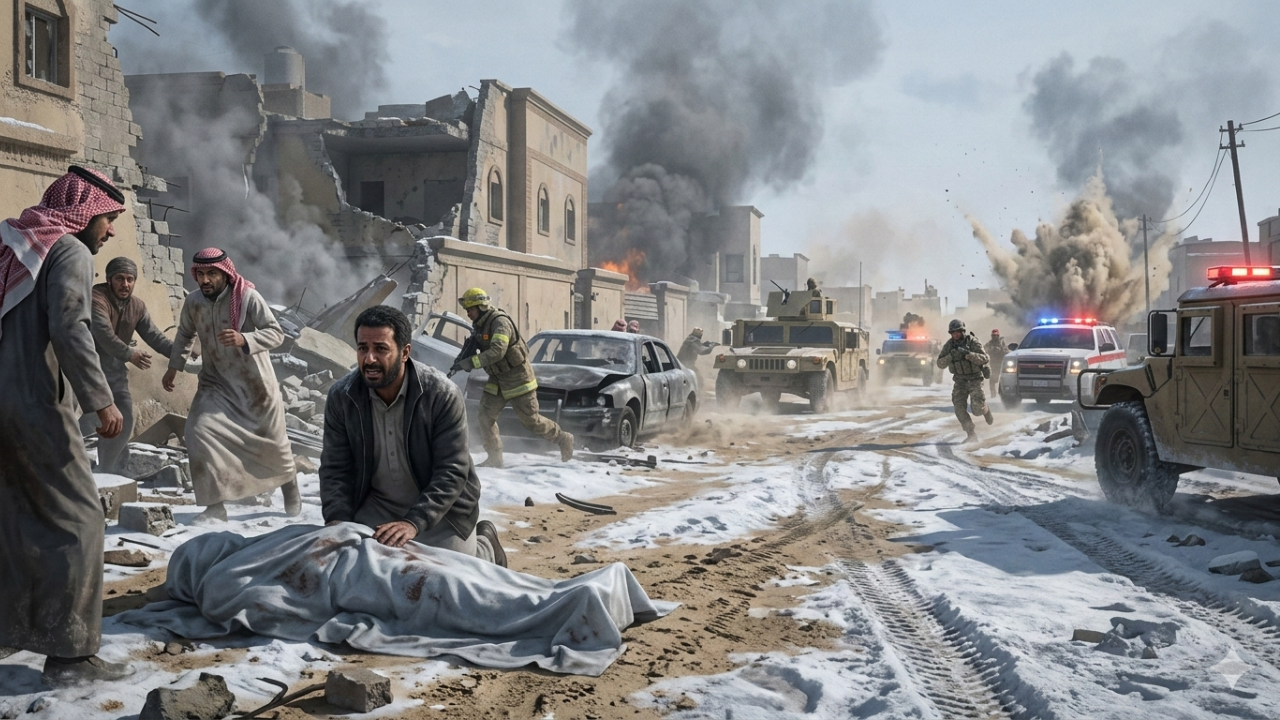
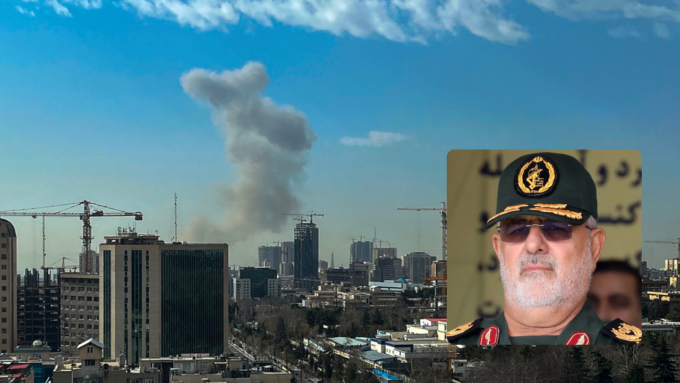
In a shocking escalation of regional tensions, Saudi Arabia has confirmed its first deaths from a projectile attack after one struck a residential compound in Al-Kharj governorate. The incident, which unfolded on Sunday, March 8, 2026, has drawn international condemnation and heightened fears over Iran’s ongoing strikes against Gulf states hosting U.S. military assets.
Incident Details
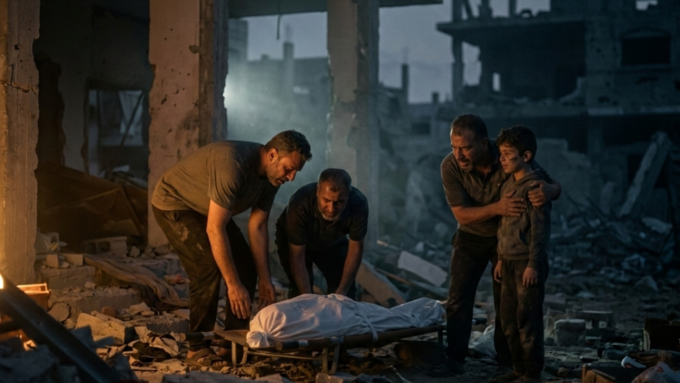
Saudi Civil Defense authorities swiftly responded to the strike on a housing site operated by a local maintenance and cleaning company in Al-Kharj, a city southeast of Riyadh known for its strategic Prince Sultan Air Base. The unidentified military projectile caused significant material damage and resulted in two fatalities: one Indian national and one Bangladeshi worker, marking the kingdom’s first confirmed deaths in this wave of attacks.
Twelve others, all Bangladeshi residents, sustained injuries ranging from minor to moderate, with emergency teams evacuating them to nearby medical facilities for treatment. Eyewitness accounts describe a sudden explosion that shattered windows and collapsed parts of the structure, prompting immediate civil defense operations to secure the area and mitigate further risks.
Broader Regional Context
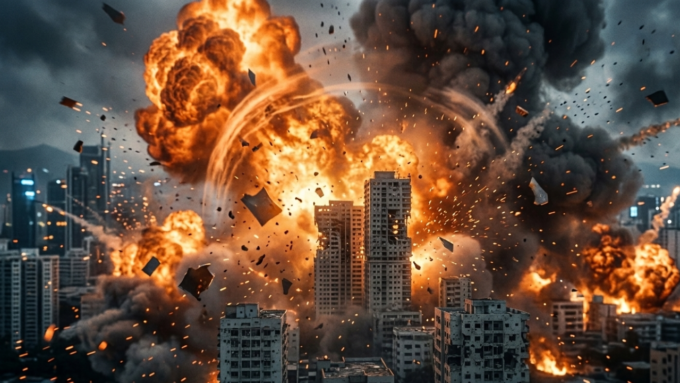
This attack comes amid a second week of Iranian retaliatory barrages targeting radar installations and U.S.-linked facilities across Saudi Arabia, following joint U.S.-Israeli operations against Iranian targets. Iran’s Islamic Revolutionary Guard Corps (IRGC) claimed responsibility earlier that day, stating it hit radar systems in Al-Kharj among other locations, though Saudi officials insist the projectile deviated onto civilian grounds.
Prior incidents in the area underscore the pattern: Saudi defenses intercepted multiple drones and cruise missiles east of Al-Kharj on March 5 and 6, preventing strikes near the Prince Sultan base that houses U.S. troops. Analysts link these actions to Iran’s response to strikes on its energy infrastructure and leadership transitions in Tehran.
Saudi Response and Violations
Saudi spokespersons condemned the hit as a “flagrant violation of international humanitarian law,” emphasizing that targeting civilian objects amid military operations crosses red lines. Civil defense teams followed standard protocols, including debris clearance and safety assessments, while the kingdom bolstered air defenses around key sites.
Riyadh has not attributed blame directly but coordinated with allies, including the U.S., to bolster interception capabilities. This marks a grim milestone, as previous interceptions averted casualties, but Sunday’s miss highlights vulnerabilities in densely populated areas near bases.
Implications for Gulf Security
The Al-Kharj incident amplifies concerns over spillover from the Iran conflict into civilian zones, straining Saudi Arabia’s hosting of U.S. forces at bases like Prince Sultan. Migrant workers, who form a large expatriate community in such areas, now face elevated risks, prompting calls from India and Bangladesh for enhanced protections.
As tensions simmer, experts warn of broader impacts on oil routes and regional stability. Riyadh’s measured response prioritizes defense while urging global pressure on Tehran. For ongoing updates, track Saudi Gazette’s coverage.
International Reactions
Global powers swiftly reacted, with the U.S. issuing alerts for its personnel in the Gulf and condemning attacks on civilians. India confirmed the loss of its national and extended condolences, while Bangladesh sought details on the injured. The UN has called for restraint to prevent a wider war.
This event underscores the fragile balance in Middle East geopolitics, where proxy strikes risk drawing in major players. Saudi Arabia remains vigilant, balancing deterrence with de-escalation efforts.




Leave a comment