

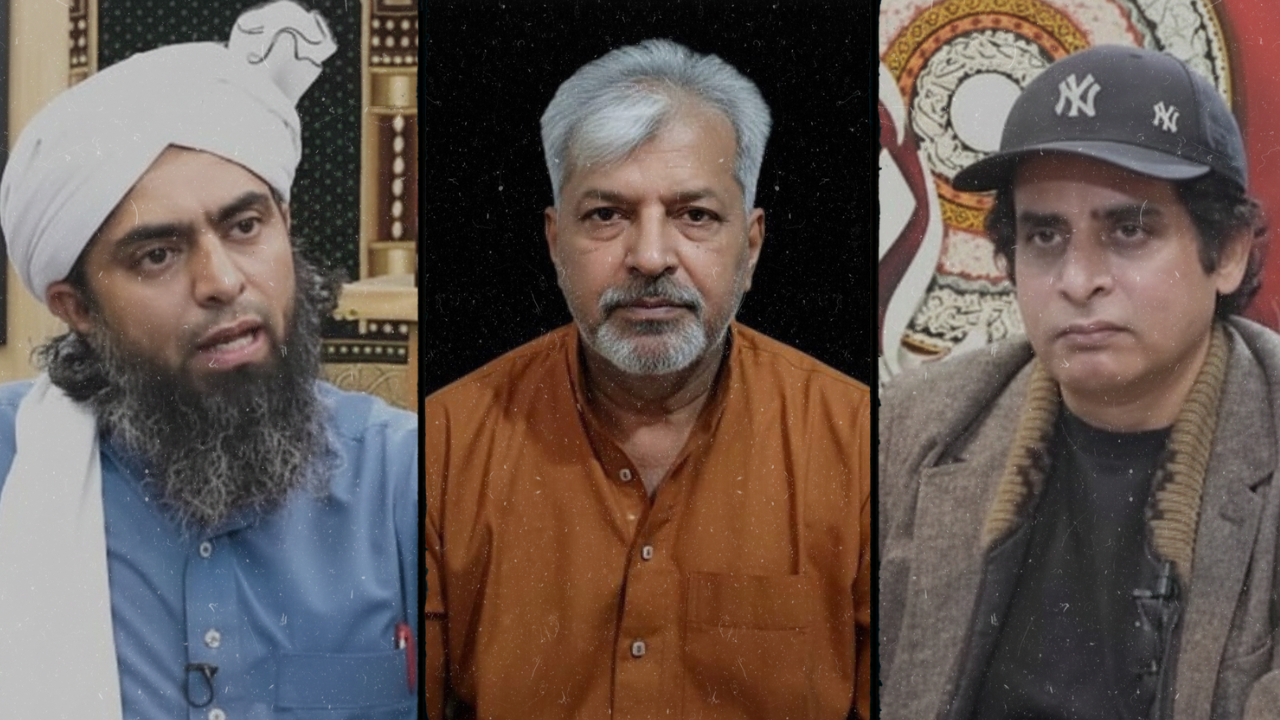
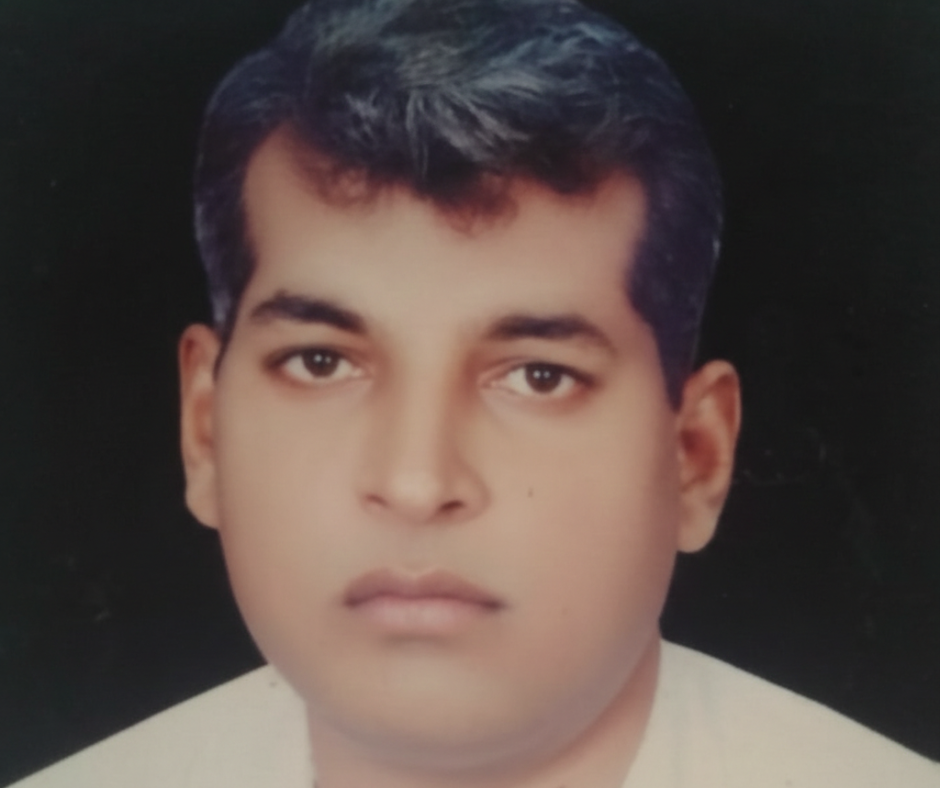
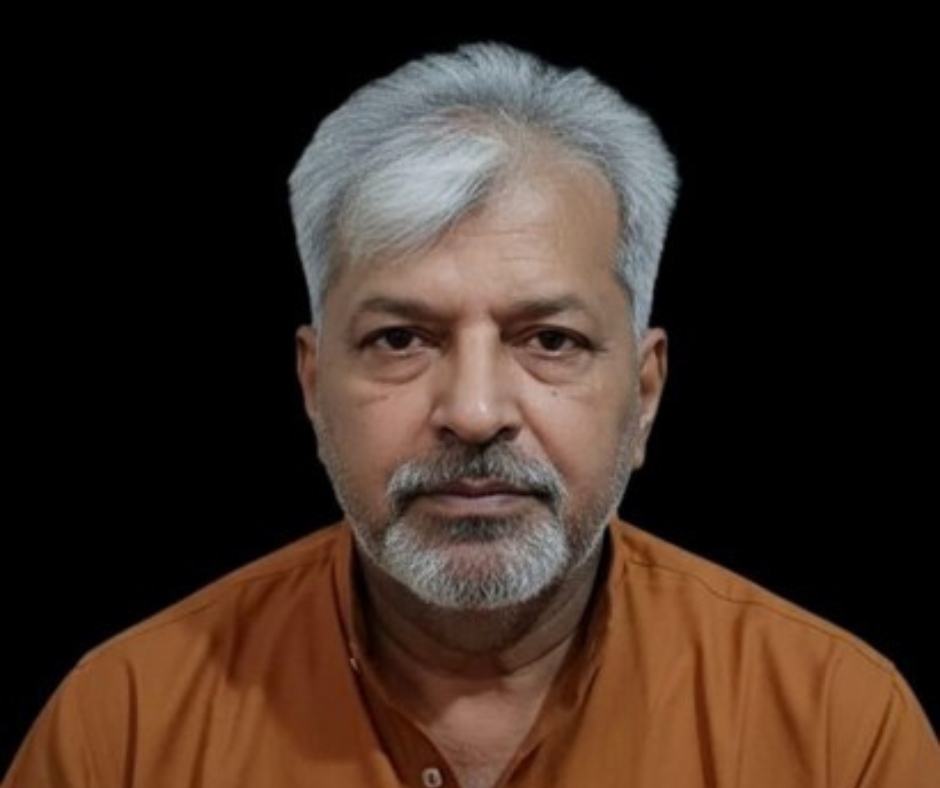
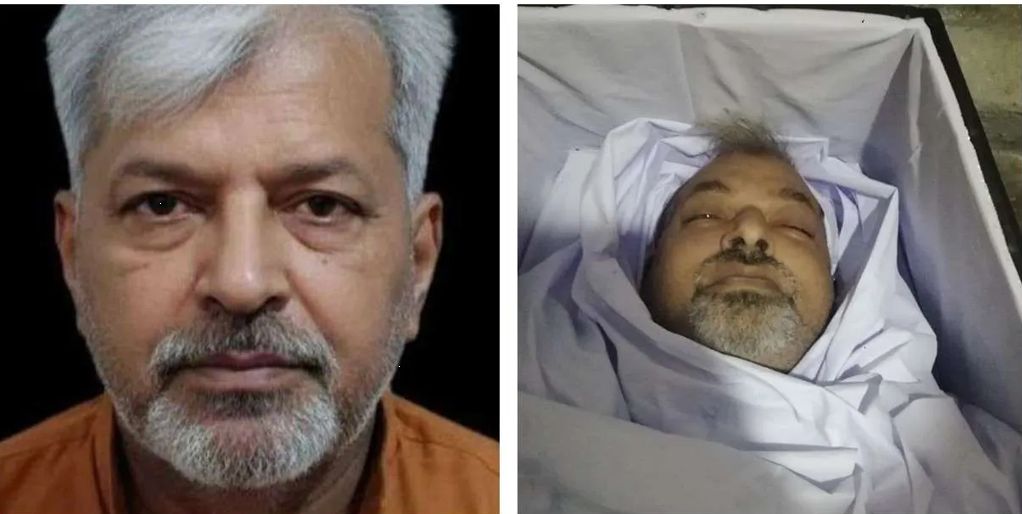
For more than thirteen years, Pastor Zafar Bhatti remained behind bars in Pakistan, accused of blasphemy despite the absence of solid evidence against him. His case came to symbolise how Pakistan’s blasphemy laws can entangle religious minorities in prolonged legal limbo, where accusations alone are often enough to destroy lives. What makes his story even more painful is that it unfolded quietly, without meaningful accountability, until his death shortly after his release.
Arrest and the Fragile Basis of the Case
Pastor Bhatti was arrested in 2012 after being accused of sending text messages that allegedly contained blasphemous content. From the very beginning, serious flaws were evident in the case. Human rights organisations repeatedly pointed out that the SIM card used to send the messages was not registered in his name, and no forensic evidence conclusively linked him to the alleged offence. Despite these weaknesses, he was kept in detention for years as his trial dragged on.
In Pakistan, blasphemy accusations often carry consequences far beyond the courtroom. Judges, lawyers, and even witnesses operate under intense pressure, aware that any perceived leniency can provoke violent backlash. Bhatti’s case unfolded in exactly this climate of fear.
A Judgment Under Pressure
In recent months, new claims have further deepened concerns about how Bhatti was treated by the justice system. Engineer Muhammad Ali Mirza, a well-known Pakistani religious scholar and public intellectual, revealed in a recent podcast that he had been incarcerated in the same prison complex as Pastor Bhatti.
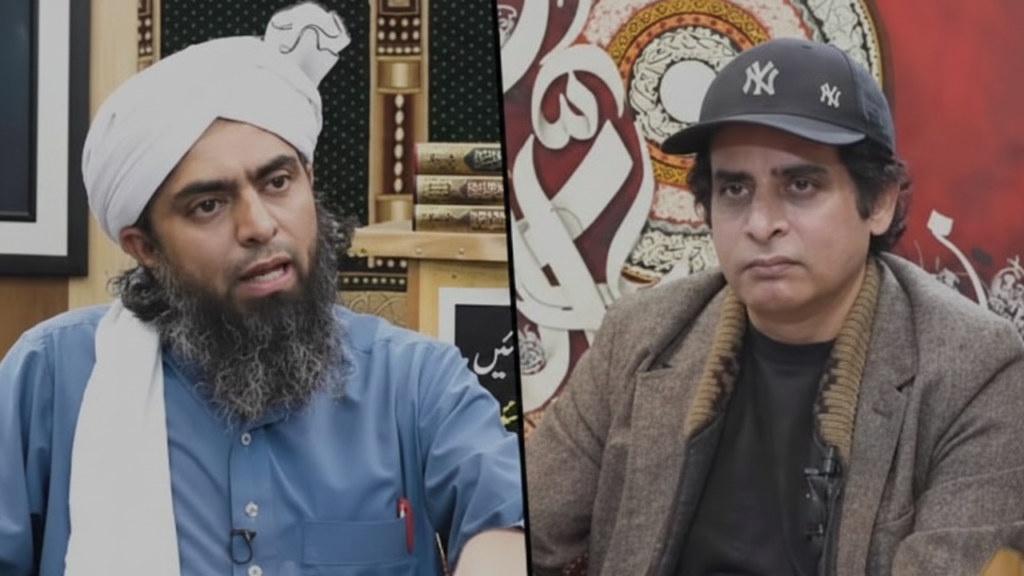
According to Mirza, he personally reviewed a copy of Bhatti’s judgment. He stated that the judge explicitly acknowledged in the written decision that there was no concrete evidence proving Bhatti’s guilt, and that the court was aware of his innocence. Despite this, the judge allegedly stated that the death sentence was imposed due to intense public and religious pressure, not because the legal standard of proof had been met.
Mirza further claimed that, on the very evening the judgment was announced, the same judge visited Pastor Bhatti in prison with his wife and apologised to him privately, admitting that the verdict was driven by fear of public reaction rather than evidence.
While this account comes from a personal disclosure and not from an official court record, it reflects what many legal observers and minority advocates have long argued: that blasphemy cases in Pakistan are often decided under duress, where judicial independence collapses under societal pressure.
Life Behind Bars
During his imprisonment, Pastor Bhatti’s physical and mental health deteriorated severely. He suffered from diabetes, heart problems, and other chronic conditions. Reports from advocacy groups suggested that he was frequently isolated for his own safety, a practice that left him further weakened over time. His family struggled financially and emotionally, bearing the cost of a legal battle that never seemed to end.
By the time his conviction was eventually overturned, Bhatti had already spent more than a decade in prison, most of it without a final resolution to his case.
A Family Marked by Assassination
Pastor Bhatti’s story cannot be separated from the wider tragedy that surrounded his family. He was the elder brother of Shahbaz Bhatti, Pakistan’s former Federal Minister for Minorities Affairs.
Shahbaz Bhatti was assassinated in March 2011 in Islamabad after openly criticising Pakistan’s blasphemy laws and defending Asia Bibi, a Christian woman accused under the same legislation. His murder sent shockwaves through Pakistan and the international community, signalling how dangerous it had become to even question these laws.
Following Shahbaz Bhatti’s assassination, family members, including relatives living abroad, travelled from the United States to Pakistan to attend his funeral. Within this already traumatised family, Pastor Zafar Bhatti’s later arrest and prolonged imprisonment added another layer of suffering, reinforcing fears that those associated with dissent or minority advocacy remain vulnerable long after headlines fade.
Release and Death
In 2025, after years of appeals and delays, Pastor Bhatti was finally acquitted and released. But freedom came too late. Only days after returning home, his weakened heart failed. He died shortly after his release, leaving behind a case that raised far more questions than answers.
A Case That Still Matters
Pastor Zafar Bhatti’s ordeal exposes the deep structural problems embedded in Pakistan’s blasphemy laws. His case shows how accusations without proof, combined with mob pressure and fear of violence, can override legal standards and human dignity. Whether through flawed investigations, delayed trials, or judgments influenced by public pressure, the result remains the same, lives are lost, families are broken, and justice is reduced to a formality.
More than a decade after Shahbaz Bhatti’s assassination, and years after Pastor Zafar Bhatti’s imprisonment, meaningful reform remains elusive. Their stories continue to stand as stark reminders of the cost paid by those who belong to Pakistan’s religious minorities, even when no crime has been proven.




1 Comment