

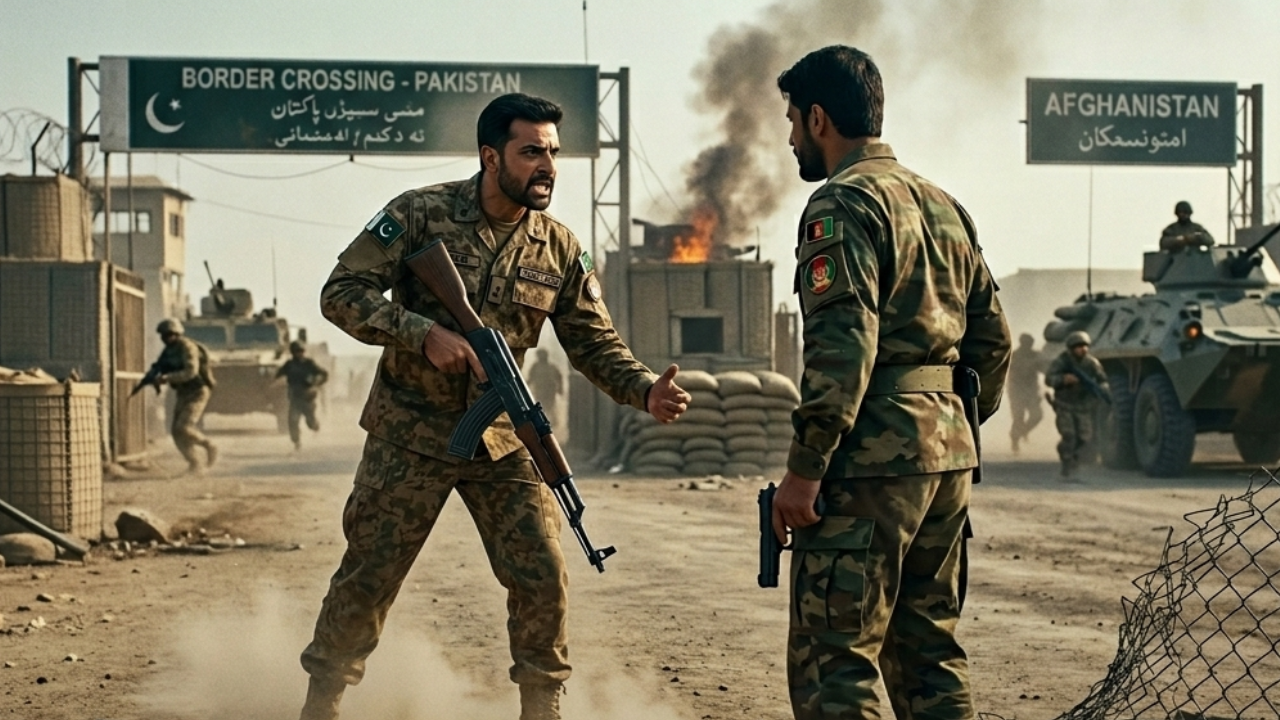
Pakistan has officially declared an “open war” against Afghanistan following intense cross-border clashes that claimed dozens of lives, marking a dangerous new chapter in the volatile relationship between the two neighbors. The announcement came from Defense Minister Khawaja Asif, who stated that Islamabad’s patience had “overflowed,” prompting swift retaliatory airstrikes deep into Afghan territory, including the capital Kabul. This escalation, rooted in longstanding border disputes along the disputed Durand Line, threatens regional stability amid accusations of harboring militants and unprovoked attacks.
Timeline of Deadly Clashes
The conflict ignited on February 26, 2026, when Afghan Taliban forces launched what they called a “preemptive” offensive against Pakistani military bases in border districts like Bajaur, Kurram, Chitral, Khyber, and Mohmand. Pakistan reported heavy artillery and mortar fire from across the border, resulting in at least 12 soldiers killed and civilian casualties, including two deaths in Bara Lagharai village. In response, Pakistan initiated Operation Ghazab Lil Haq (“Righteous Fury”), targeting 22 Taliban military sites, ammunition depots, and headquarters in provinces such as Kabul, Kandahar, Paktia, Nangarhar, and Paktika.
Explosions rocked Kabul early Friday, with witnesses reporting ambulance sirens and blasts from Pakistani airstrikes on “defense locations,” as confirmed by military spokesman Lt. General Ahmed Sharif Chaudhry. Pakistan claims the strikes killed 274 Taliban militants, while Afghanistan reported capturing Pakistani soldiers—a claim Islamabad denies. Both sides have traded sharply differing casualty figures, with independent verification pending amid the chaos.
Root Causes and Historical Context
Tensions have simmered for months along the 1,640-mile Durand Line, a colonial-era border rejected by Afghanistan. Pakistan accuses the Taliban regime, in power since the 2021 U.S. withdrawal, of sheltering groups like Tehrik-i-Taliban Pakistan (TTP) and Islamic State affiliates, enabling cross-border terrorism. Recent Pakistani airstrikes last weekend targeted such militants in eastern Afghanistan, prompting Taliban’s vowed “measured response.
A Qatar-brokered ceasefire in October 2025 briefly halted skirmishes that killed soldiers and civilians, but November peace talks in Istanbul collapsed without agreement. Analysts point to Pakistan’s concerns over “Indian proxies” operating from Afghan soil, exacerbating rivalry with New Delhi. For more on the Durand Line’s contentious history, see Wikipedia’s overview of Afghanistan-Pakistan border conflicts.
Statements from Key Figures
“Our cup of patience has overflowed. Now it’s an open war between us,” Defense Minister Khawaja Asif declared on X, warning of “chaos and reckoning” and emphasizing Pakistan’s intimate knowledge of its neighbor’s vulnerabilities. Taliban spokesman Zabihullah Mujahid framed their initial attack as retaliation for “repeated border violations and provocations” by Pakistani forces.cbc+2
Prime Minister Shehbaz Sharif’s spokesperson Mosharraf Ali Zaidi dismissed capture claims, while Afghan officials vowed further retaliation. International observers, including those from DW, noted fresh clashes near the Torkham crossing, a vital trade route. For live updates, check The Guardian’s ongoing coverage.
Regional and Global Implications
- Immediate border closures disrupt trade worth millions, stranding thousands of commuters and truckers at Torkham and Chaman.
- Risk of broader involvement from powers like India, China (with stakes in CPEC projects), and Iran, who shares concerns over militancy spillover.
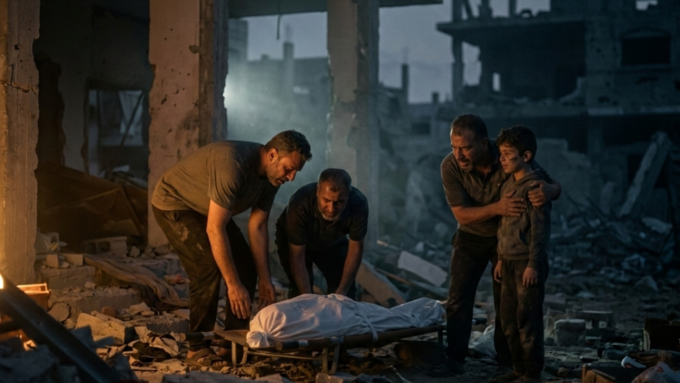
- Humanitarian crisis looms, with displaced families in Khyber Pakhtunkhwa and potential refugee flows.
This “open war” declaration shatters fragile diplomacy, raising fears of a full-scale conflict that could destabilize South Asia. Pakistan’s military vows continued “punishment” until threats are neutralized, while the Taliban insists on defending sovereignty. As explosions echo from Kabul to Kurram, the world watches a powder keg ignite—will international mediation prevail, or will chaos reign?




Leave a comment