

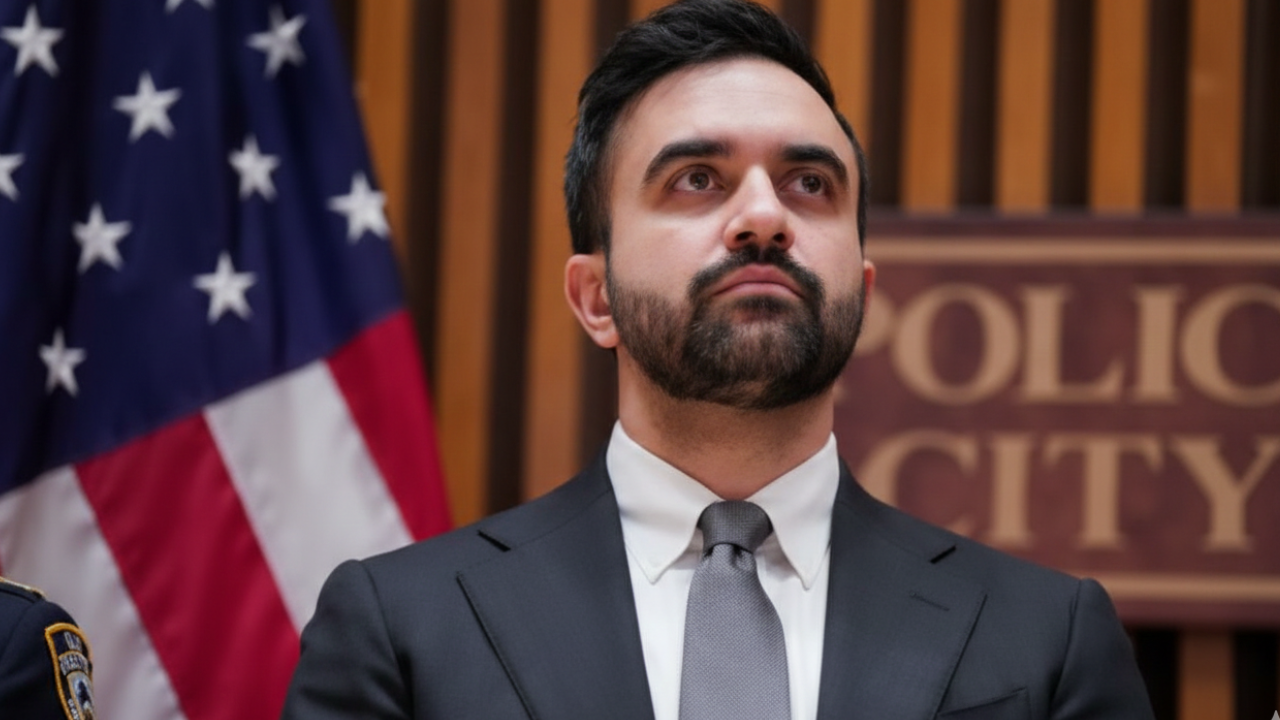
New York City Mayor Zohran Mamdani has rolled out a record-shattering proposed budget of roughly 122 billion dollars, drawing intense scrutiny over tax hikes, reserve spending, and the city’s preparedness after recent storms exposed infrastructure and emergency response weaknesses. As debate begins at City Hall and in Albany, the plan sets up a high-stakes clash over how to close a multibillion-dollar deficit without deepening inequality or risking long‑term fiscal instability.
Record 122B spending plan
City insiders say the preliminary blueprint clocks in at about 122 billion dollars in total spending, making it the largest financial plan in New York City history and roughly 6 billion dollars higher than the current year’s budget. The proposal lands as the city wrestles with what was initially framed as a 12 billion dollar shortfall over two years, now revised down to about 7 billion after stronger‑than‑expected tax revenues, particularly from Wall Street bonuses.
Mamdani has repeatedly argued that the city’s fiscal hole is the product of years of “gross fiscal mismanagement” under his predecessor and a longstanding imbalance in state aid, with New York City sending far more revenue to Albany than it receives back. Critics counter that surging expenditures—not a lack of income—are the main drivers of the gap and warn that rapid budget growth risks recreating dynamics not seen since the 2008 financial crisis.
Property tax hikes at the center
A central—and controversial—pillar of the 122B plan is a proposed hike in New York City property taxes, which have not seen a broad increase in more than two decades. Sources familiar with the blueprint say the mayor is positioning the hikes as a last resort, insisting they could be avoided if state lawmakers approve his push for higher taxes on millionaires and large corporations.
Opponents warn that raising property levies could hit homeowners and landlords at a time when many are still recovering from the pandemic and recent extreme weather events. Budget watchdogs also caution that layering local property tax hikes on top of New York’s already high cost of living could accelerate an exodus of residents and businesses to lower‑tax states. For a broader look at how property tax policy affects urban economies, readers can review the Urban Institute’s national overview of local tax structures at the Urban Institute website.
Draining the “rainy day” fund
Beyond taxes, the mayor’s plan leans heavily on the city’s reserves, proposing to draw down most of the roughly 10 billion dollar “rainy day” fund to balance the books. Supporters inside the administration argue that an emergency savings account exists precisely for moments like this, when overlapping crises—from housing to migration to climate shocks—strain local finances.
However, several fiscal experts warn that nearly emptying the reserves could put pressure on the city’s bond rating, raising borrowing costs for future infrastructure and housing projects. The Citizens Budget Commission and other watchdogs have long urged New York City to maintain robust reserves given its heavy dependence on volatile income and Wall Street‑linked revenues. For context on best practices in municipal reserves, the Government Finance Officers Association provides guidance on target fund balance policies at the GFOA resource hub.
Storm response sparks criticism
The unveiling of the 122B budget comes as the Mamdani administration faces mounting criticism over its handling of recent severe storms that inundated parts of the city, disrupted transit, and exposed aging drainage and coastal protections. Residents and advocates argue that years of underinvestment in climate resilience, including flood defenses, storm sewers, and emergency communications, have left vulnerable neighborhoods repeatedly bearing the brunt of extreme weather.
Against this backdrop, critics contend that any record‑setting budget that leans on new taxes and drained reserves must show a clear, measurable commitment to climate adaptation and disaster preparedness. They point to prior comptroller reports highlighting chronically underbudgeted core services—such as shelters, rental assistance, and special education—as evidence that the city’s current approach to prioritizing spending is not aligned with its most urgent risks.
Key political fault lines
Several flashpoints are already emerging as the City Council, state leaders, and watchdogs dig into the plan:
- Property taxes vs. millionaire tax: Mamdani is pressing Governor Kathy Hochul and the Legislature to approve a new 2 percent surtax on individuals earning more than 1 million dollars and higher levies on large corporations, arguing this could spare middle‑class homeowners.
- Reliance on Albany: Hochul has already committed 1.5 billion dollars in additional operating support over two years—part recurring—to ease city fiscal pressures, but she has rejected the mayor’s call for a broader income tax hike.governor.
These disputes will shape not only the final contours of the budget but also the mayor’s political standing in his first major budget season. Observers note that how the administration balances progressive ambitions, fiscal prudence, and climate resilience will be closely watched by national urban policy experts, including those at Brookings Metro.
What comes next
The executive spending plan now heads into weeks of hearings, negotiations, and revisions with the City Council before a final, legally required balanced budget is adopted. Council leaders have signaled they will scrutinize both the scale of the proposed spending and whether the tax and reserve strategies are sustainable in the face of slowing economic growth and recurring storm damage.
For New Yorkers, the 122B budget debate will determine not only tax bills and service levels for the coming year, but also the city’s resilience to the next major storm and its ability to invest in long‑term priorities without slipping back toward crisis‑era instability.








Leave a comment