

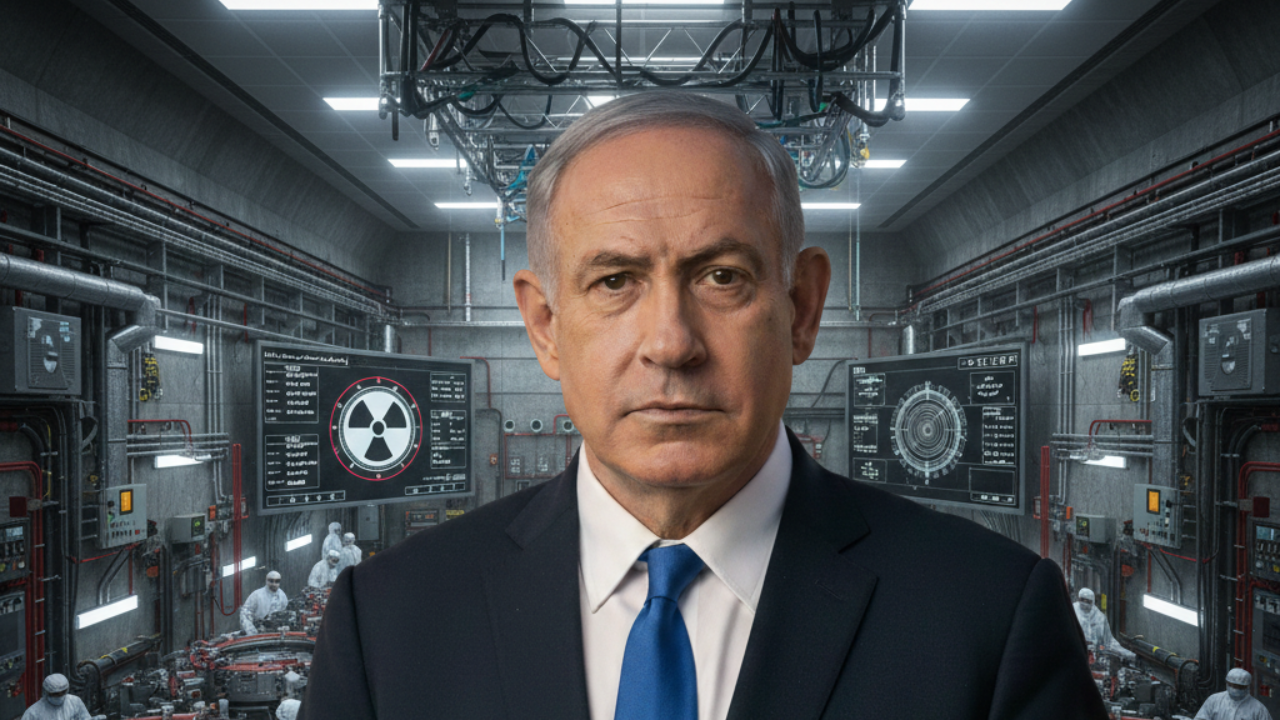
Israeli Prime Minister Benjamin Netanyahu has issued a stark ultimatum on Iran nuclear talks, insisting that any U.S. agreement with Tehran must fully dismantle the country’s nuclear infrastructure rather than just pausing uranium enrichment. Speaking at the Conference of Presidents of Major American Jewish Organizations in Jerusalem on February 15, 2026, Netanyahu emphasized this position directly to President Donald Trump during their recent White House meeting.
This demand arises amid renewed U.S.-Iran diplomacy, with a second round of indirect talks set for Geneva this week, hosted by Oman. The Israeli leader’s comments reflect deep skepticism toward Iran’s intentions, rooted in decades of perceived deception and regional aggression.
Netanyahu’s Core Demands
Netanyahu outlined four non-negotiable conditions for any viable deal. All enriched uranium stockpiles must leave Iranian soil entirely, eliminating any immediate breakout potential. Iran’s uranium enrichment equipment and supporting infrastructure require complete dismantlement to prevent future weaponization efforts.
He further insisted on capping Iran’s ballistic missiles at a 300-kilometer range, aligning with Missile Technology Control Regime standards to protect Israel and neighboring states from long-range threats. Finally, Netanyahu called for Iran to dissolve its “axis of terror,” including proxy militias like Hezbollah and Hamas that destabilize the Middle East.
These stipulations go beyond prior frameworks like the 2015 JCPOA, which Netanyahu long criticized for allowing enrichment thresholds. For deeper context on past negotiations, see the Council on Foreign Relations’ Iran nuclear timeline.
Skepticism Fuels Hardline Stance
“I am very skeptical about any future deal with Iran,” Netanyahu declared, accusing Tehran of consistent lying and cheating on inspections. He praised Trump’s firm approach, noting the U.S. leader’s view that Iran squandered prior opportunities and now faces heightened pressure.
The Trump administration mirrors this toughness, rejecting any uranium enrichment and deploying a second aircraft carrier strike group to the region as a deterrent. Trump warned that failed talks could prove “very traumatic” for Iran, even hinting at regime change as a potential outcome.
Iran, however, remains defiant. Deputy Foreign Minister Majid Takht-Ravanchi stated Tehran would discuss nuclear curbs for sanctions relief but dismissed “zero enrichment” and missile limits as off-limits. Initial talks on February 6 involved Iranian Foreign Minister Abbas Araghchi and U.S. Middle East envoy Steve Witkoff, yet gaps persist.
Broader Regional Implications
Netanyahu’s speech also touched on Gaza operations, where Israel has destroyed 150 of 500 kilometers of Hamas tunnels, vowing to “complete the job.” He proposed phasing out U.S. military aid post-2028, shifting to a pure partnership model given Israel’s economic strength—$3.8 billion annually would taper to zero over a decade.
These positions underscore Israel’s strategy to counter multifaceted Iranian threats, from nuclear ambitions to proxy warfare. As talks progress, Netanyahu’s blueprint challenges diplomats to forge a Libya-style 2003 disarmament model, fully neutralizing capabilities rather than managing risks.
For live updates on U.S.-Iran negotiations, check Reuters’ Middle East coverage. Failure here risks escalation, with U.S. officials preparing for sustained military options if diplomacy falters.
Why Dismantling Matters Now
Iran’s nuclear advances have accelerated since 2021, amassing near-weapons-grade uranium despite sanctions. Netanyahu credits Israeli covert actions for delaying Tehran’s program by a decade, but insists only physical dismantlement ensures lasting security.
The timing aligns with Trump’s 2025 reelection momentum, where he prioritizes “maximum pressure” over concessions. Iranian diplomats seek economic lifelines amid domestic unrest, yet Netanyahu warns against deals that merely “run out the clock” until 2029.
- Key sticking points: Enrichment rights vs. total removal; missile ranges; proxy disbandment.
- U.S. leverage: Carriers deployed; sanctions intact.
As Geneva looms, Netanyahu’s demands frame the debate: partial limits or full capitulation? The outcome will reshape Middle East stability, with Israel poised to act unilaterally if needed.







Leave a comment