


Israel claims 7,500 bombs in one week
According to the Israel Defense Forces (IDF), the Israeli Air Force carried out roughly 3,400 strikes across Iran during the first seven days of fighting, deploying more than 7,500 munitions against targets linked to Tehran’s military and security infrastructure. IDF spokesperson Brig. Gen. Effie Defrin said the tempo and scale of the operation are unprecedented for Israel, describing the bombardment as a concentrated effort to cripple Iran’s air defenses, missile forces, and command structures. Israeli officials also emphasized that this volume of firepower is about double what was used during the 12‑day Israel–Iran conflict in June 2025, underscoring how quickly the current war has escalated.
Defrin told reporters that the first week of the campaign has focused on securing air superiority over Iran and degrading the country’s ability to launch missiles and drones at Israel and its allies. In earlier briefings, the military had already reported more than 2,000 bombs dropped in the first 36 hours of the conflict, suggesting that the pace of attacks remained high throughout the week as Israel expanded its target list. Israeli media and regional outlets report that the strikes have hit air defense batteries, radar stations, missile depots, bases tied to Iran’s Revolutionary Guard, and key logistics hubs supporting its regional proxy network.
Targets: missiles, air defenses, and infrastructure
Israeli sources say hundreds of Iranian sites have been attacked since the war began, including ballistic missile launchers, air defense systems, and facilities tied to Iran’s nuclear and drone programs. The IDF has claimed the destruction or disabling of more than 150 missile and air defense assets, arguing that these strikes are necessary to blunt Tehran’s ability to sustain long‑range attacks on Israeli territory. Analysts note that Israel appears to be combining precision strikes on strategic assets with broader attacks on infrastructure that supports Iran’s military‑industrial complex.
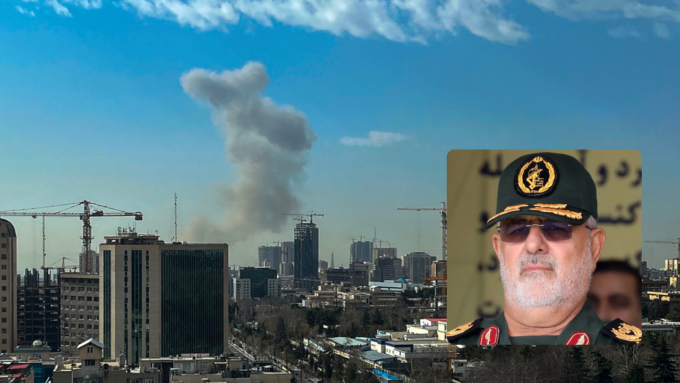
One notable development in the first week was Israel’s decision to hit fuel and energy infrastructure around Tehran, including oil storage sites in and near the capital. Military commentators say targeting fuel depots and logistics nodes can slow Iran’s ability to move troops and resupply missile and air defense units, but also raises the risk of severe economic disruption and longer‑term damage to civilian life. Independent verification of every claimed strike remains difficult, but satellite imagery and local reports from Iranian cities indicate widespread damage at multiple military and industrial locations.
For broader military background on Israel–Iran targeting strategies, readers can consult analyses from think tanks such as the International Crisis Group and the Institute for National Security Studies in Tel Aviv, which regularly publish data‑driven assessments of regional conflicts.
Human toll and regional fears
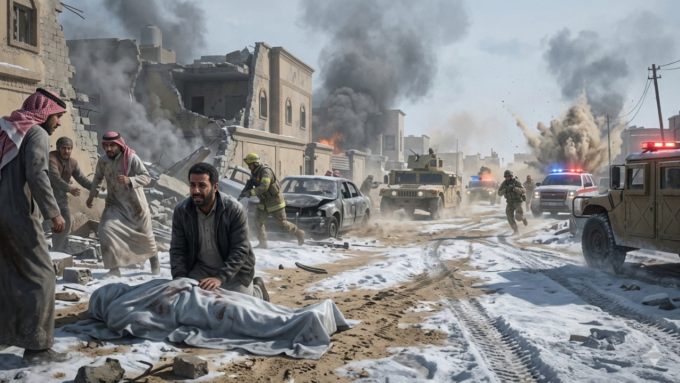
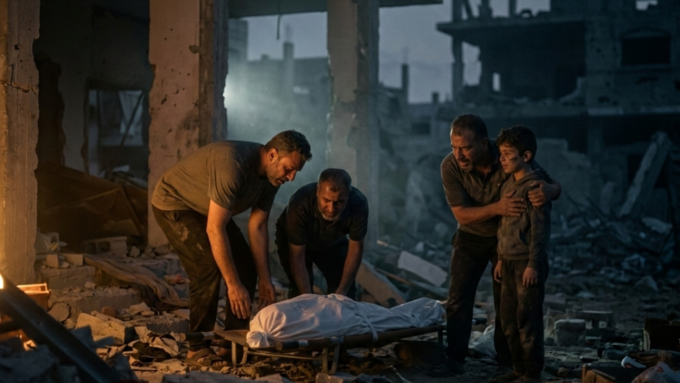
Iranian officials and local monitoring groups report mounting civilian and military casualties as the bombing continues, although exact figures differ from those released by Western and Israeli sources. Early tallies from rights organizations and media outlets point to hundreds of deaths and thousands of injuries in Iran, with strikes reported not only near military bases but also in or around major cities. Humanitarian agencies warn that damage to power plants, fuel depots, and transport networks is already affecting hospitals and basic services in some areas.
Regional governments are increasingly alarmed that the scale of Israel’s bombing—7,500 bombs in one week—could drag neighboring states deeper into the crisis. Gulf countries have reported debris and limited impacts from missile and drone exchanges, and some leaders are calling for urgent de‑escalation to prevent a wider regional war that could threaten energy flows and global trade. For ongoing casualty and impact tracking, outlets such as Al Jazeera and the BBC are maintaining live updates and data trackers on the conflict’s human and economic costs.
Strategic message behind the numbers
Israeli officials are openly using the 7,500‑bomb figure as a signal to Tehran and to the broader international community about Israel’s capabilities and willingness to act. By framing the first week of operations as “twice” as intense as previous wars with Iran, the government is sending a message that any attack on Israel will be met with overwhelming and sustained force. At the same time, critics and humanitarian groups argue that the emphasis on bomb counts risks normalizing massive bombardments and underplaying the cost for civilians on the ground.
Security analysts caution that even if Israel succeeds in severely degrading Iran’s missile and nuclear‑related infrastructure, Tehran is likely to retain enough capabilities to continue long‑range attacks and to mobilize allied groups such as Hezbollah and militias in Iraq and Syria. This raises concerns that the first week’s bombardment, far from concluding the confrontation, may only mark the beginning of a longer and more unpredictable conflict cycle. For deeper strategic context on the Israel–Iran rivalry and its nuclear dimension, background resources from the Arms Control Association and the Carnegie Endowment for International Peace provide useful open‑source briefings and historical timelines.





Leave a comment