

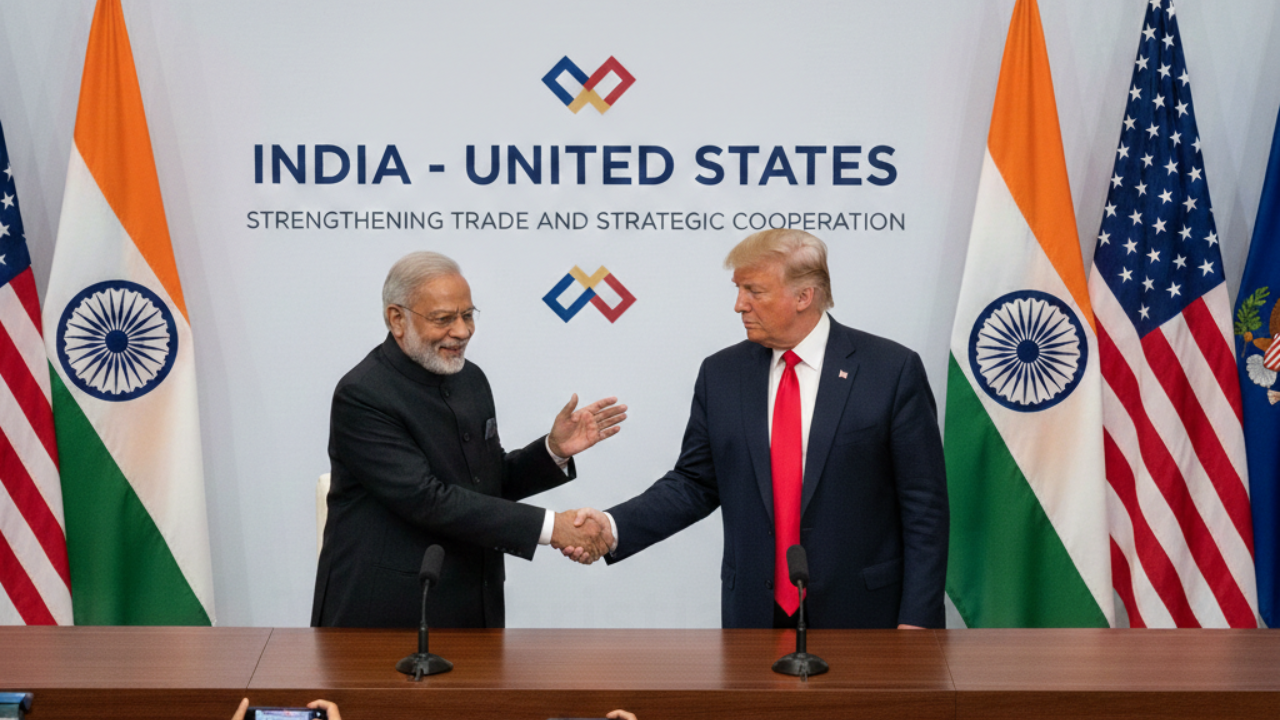
India and the United States have taken a significant step toward strengthening their economic and strategic relationship with renewed momentum on a bilateral trade deal and wider cooperation. Recent discussions between senior officials from both countries signal an effort to move past earlier trade disputes and focus on long-term partnership in a rapidly changing global environment.
Trade relations between India and the US have seen ups and downs in recent years. Disagreements over tariffs, market access, and regulatory issues created tension, particularly during periods when both sides imposed duties on each other’s goods. However, officials now say there is a shared understanding that closer economic ties are in the interest of both countries, especially as global supply chains are being reshaped.
According to statements from government sources, the latest talks focus on reducing trade barriers, improving market access, and creating a more predictable environment for businesses. Indian exporters have long sought easier entry into the US market for products such as textiles, pharmaceuticals, and engineering goods, while American companies are interested in greater access to India’s large consumer market and investment opportunities.
Beyond trade, the discussions also highlight broader strategic cooperation. India and the US have been deepening their partnership in areas such as technology, energy, and critical minerals. These sectors are seen as vital for future economic growth and national security. Cooperation on clean energy and supply of critical minerals, in particular, reflects shared concerns about sustainability and reducing dependence on limited sources.
The trade talks are also closely linked to geopolitical considerations. The US views India as a key partner in the Indo-Pacific region, while India sees the relationship as a way to diversify its global partnerships and strengthen its position on the world stage. Both countries emphasize that their cooperation is not aimed at any single nation but at promoting stability, open trade, and economic resilience.
Business communities in both countries have welcomed the renewed engagement. Industry groups say that clearer rules and reduced uncertainty could encourage more investment and job creation. Analysts note that even modest progress on trade issues can have a positive impact, given the size of both economies and the potential for growth.
At the same time, challenges remain. Sensitive sectors such as agriculture and data regulation continue to be areas of concern, particularly for India, which wants to protect small farmers and domestic industries. US officials have also raised issues related to intellectual property and regulatory transparency. Negotiators acknowledge these differences but say they are working toward practical solutions.
Public reaction has been mixed. Supporters argue that closer trade ties will boost economic growth and strengthen diplomatic relations. Critics, however, worry about the impact on local industries and question whether trade agreements always deliver benefits evenly across society.
For now, both governments appear committed to maintaining dialogue and building trust. While a comprehensive agreement may take time, the renewed push reflects a shared belief that cooperation between India and the United States is increasingly important in a world marked by economic uncertainty and geopolitical tension.







Leave a comment