

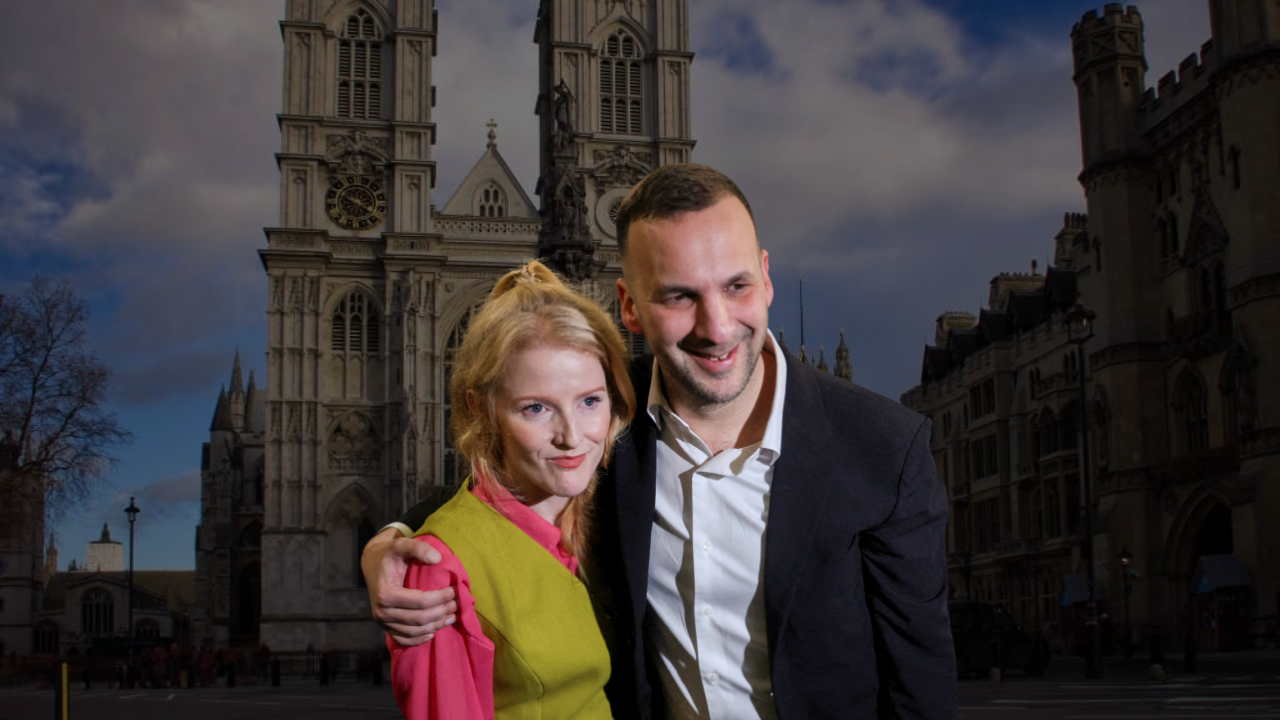
The Green Party’s recent proposal to disestablish the Church of England has ignited fierce discussions across the UK, challenging nearly 500 years of tradition tied to the nation’s identity. Led by co-leader Zack Polanski, this policy aims to sever the church’s official ties with the state if the party gains power in the next general election.
Policy Details Unveiled
In a detailed policy document reviewed by major outlets, the Greens outline transforming the Church of England into a fully self-governing body, free from governmental oversight. Key changes include ending the Prime Minister’s role in appointing the Archbishop of Canterbury and removing the 26 bishops from their automatic seats in the House of Lords. The party also plans to abolish the Church’s current representation in the House of Commons, currently held by MP Mar de Cord.
This move targets the foundational 1534 Act of Supremacy under Henry VIII, which established the Church as England’s national institution. Greens argue for a strict separation, stating: “No individual shall hold a state office, or be barred from such an office, based on their or their spouse’s affiliation or non-affiliation with any religion or religious denomination.” For more on the historical roots, see the Church of England history overview.
Historical Context and Precedents
The Church of England’s established status has endured through monarchs, reforms, and societal shifts, symbolizing a unique blend of faith and governance. Past attempts at disestablishment, like Liberal Democrat Lord Paul Scriven’s 2023 bill, gained initial traction but stalled amid opposition. That legislation sought to end bishops’ privileges in Parliament, echoing today’s Green agenda, yet highlighted growing secular sentiments—only 12% of Britons identify as Anglican per recent surveys.
Critics view the Greens’ push as part of a broader radical platform, including drug decriminalization, Brexit reversal, and expanded migrant services. Supporters, including humanist groups, praise it as modernizing a system out of step with a diverse, largely non-religious population.
Reactions from Church and Critics
The Church of England and Green Party have been approached for comment but have not yet responded publicly to the latest reports. Evangelical voices within the church have mixed views; some see disestablishment as sharpening its “prophetic voice” free from state constraints. Others decry it as an “assault on centuries of British heritage,” per social media and news outlets.
Media reactions range from The Sun labeling Greens “loony” to Premier Christian News framing it as an alleged plot against state religion. For deeper analysis, check Humanists UK’s stance on disestablishment.
Broader Green Agenda Raises Eyebrows
Beyond the church, Greens propose eliminating zoos and mandating licenses for Britain’s 13.5 million dogs via a dual system for breeders and owners. These ideas underscore a transformative vision prioritizing environmentalism, secularism, and regulation, but they fuel accusations of overreach.
Implications for UK Society
Disestablishment could reshape governance, promoting equality in public office regardless of faith, aligning with trends where 68% of 18-24-year-olds claim no religion. Yet it risks alienating traditionalists who see the church as a cultural anchor amid declining attendance.telegraph.co+1
- Pros: Ends perceived privileges, fosters secular democracy.
- Cons: Erodes historical symbols, invites state overreach in other areas.
As the general election looms, this policy tests voter appetite for upending institutions. Will it propel Greens forward or backfire as cultural vandalism? Britain’s faith-state balance hangs in the balance.






Leave a comment