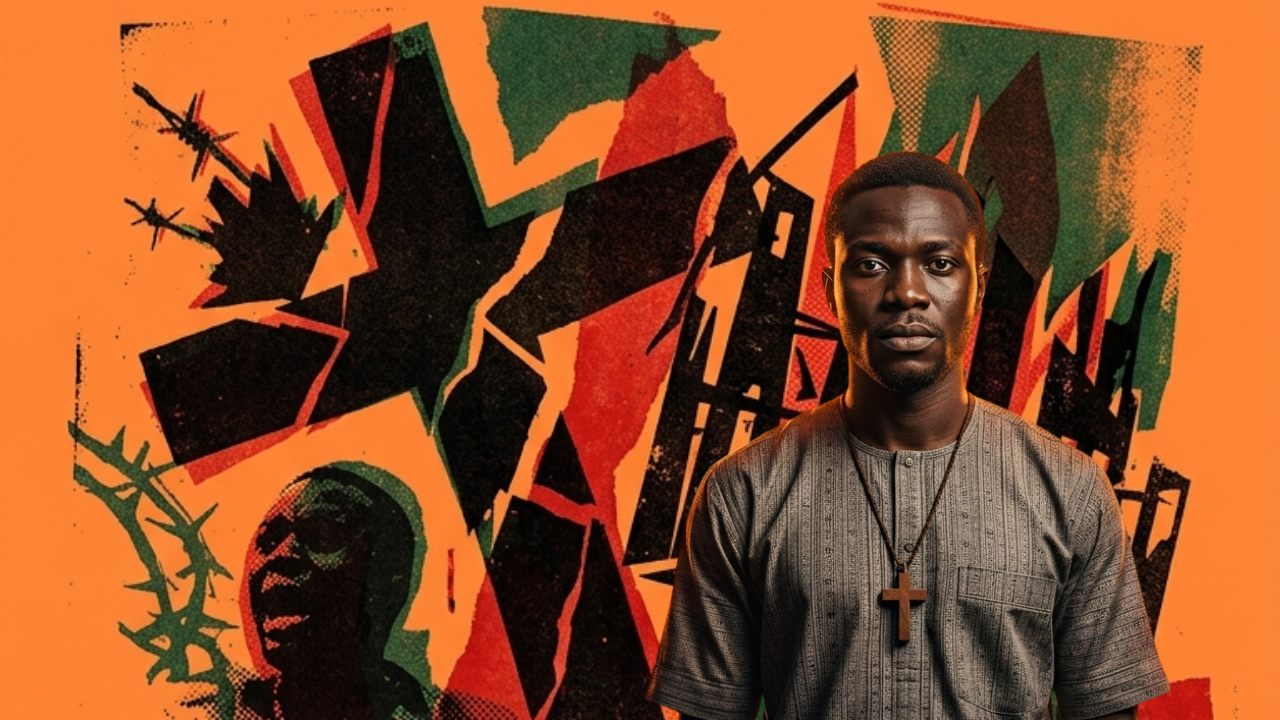
For millions of Christians, Holy Week is meant to be a time of prayer, family, and hope. In parts of Nigeria, however, it has once again become a season of fear and mourning as armed groups turned a sacred period into a fresh opportunity for terror. Reports emerging from central Nigeria describe attacks on Christian communities around Palm Sunday, shattering any sense of safety for believers preparing for Easter worship.
In the Jos and Middle Belt regions, Christians say they now approach every major religious festival with dread rather than joy. Villagers recount how gunmen swept into their communities under cover of darkness, firing indiscriminately, burning homes, and forcing entire families to flee into the bush. Survivors describe a familiar pattern: sudden raids, slow or absent response from security forces, and then silence from authorities once the smoke clears. For those who bury loved ones during the holiest days of the Christian calendar, the message is cruelly clear: even Easter is not off-limits.
The timing of these assaults is no accident. Analysts and church leaders have long observed that extremists and criminal militias in Nigeria often step up attacks during Christian and Muslim holidays, knowing that gatherings at churches and markets will be larger and more vulnerable. In Christian-majority communities, especially in Plateau, Benue, and southern Kaduna, worshippers have grown used to seeing armed guards at church gates, sandbags near entrances, and patrols outside evening services. The sight of uniformed men at the doors of small rural chapels speaks volumes about how normalised the threat has become.
Behind these headlines lies a complex mix of motives and actors. Some of the violence is driven by longstanding conflicts between farming and herding communities, which are then inflamed by ethnic and religious differences. Other attacks bear the fingerprints of jihadist groups that explicitly target Christians and churches as a way to send a broader ideological message. For ordinary Christian families, the distinction matters little. Whether attackers arrive in the name of land, profit, or religious supremacy, the result is the same: villages emptied, churches destroyed, and a growing sense that the state cannot or will not protect them.
Yet the Nigerian government frequently responds with familiar statements of condemnation, promises of investigation, and pledges to bring the perpetrators to justice. On the ground, communities see very little follow-through. Arrests are rare, prosecutions rarer still, and compensation or support for displaced families almost nonexistent. Local church leaders and human rights advocates argue that this impunity has become a green light for further violence. When attackers know they will not face trial, every successful raid becomes an advertisement for the next one.
Despite this grim reality, Nigeria’s Christians refuse to be defined only by suffering. In the wake of attacks, churches quickly transform into relief centres, distributing food, clothing, and basic supplies to those who have lost everything. Pastors open the doors of their homes to widows and orphaned children. Youth groups volunteer to guard night-time prayer meetings, while women’s fellowships organise counselling circles to help trauma survivors process their grief. Faith here is not just a set of beliefs; it is a practical network of solidarity that holds shattered communities together.
The international community cannot claim ignorance. Year after year, Nigeria features prominently in global reports on persecution, often ranking among the deadliest places in the world to be a Christian. Human rights organisations repeatedly warn that the killings in Nigeria are not isolated incidents but part of a broader pattern of targeted violence, mass displacement, and the slow cleansing of Christian presence from certain areas. Still, diplomatic pressure remains weak and inconsistent, overshadowed by other geopolitical priorities.
As this Holy Week passes, Christians in safer countries will gather for Easter celebrations in relative security. For many of their brothers and sisters in Nigeria, the same liturgies will be whispered in burnt-out churches, temporary camps, or under open skies after their sanctuaries were destroyed. The contrast is stark and uncomfortable—but it must not be ignored. If Easter is about hope rising out of injustice and death, then the global Church and the wider human-rights community have a responsibility to stand with Nigeria’s embattled believers, amplify their voices, and insist that their blood is not a footnote to the world’s news cycle.
Real change will require more than sympathy. It demands serious security reform, genuine prosecution of those responsible for massacres, and sustained international pressure on Nigerian authorities to protect all citizens, regardless of faith. Until that happens, the question remains painfully open: how many more Holy Weeks will pass under the shadow of the gun before Nigeria’s Christians can celebrate in peace?

International
 Waqar WashingtonApril 4, 20263 Mins read
Easter Under Siege: Christians in Nigeria Face Deadly Holy Week Attacks
Waqar WashingtonApril 4, 20263 Mins read
Share

Related Articles





Leave a comment