

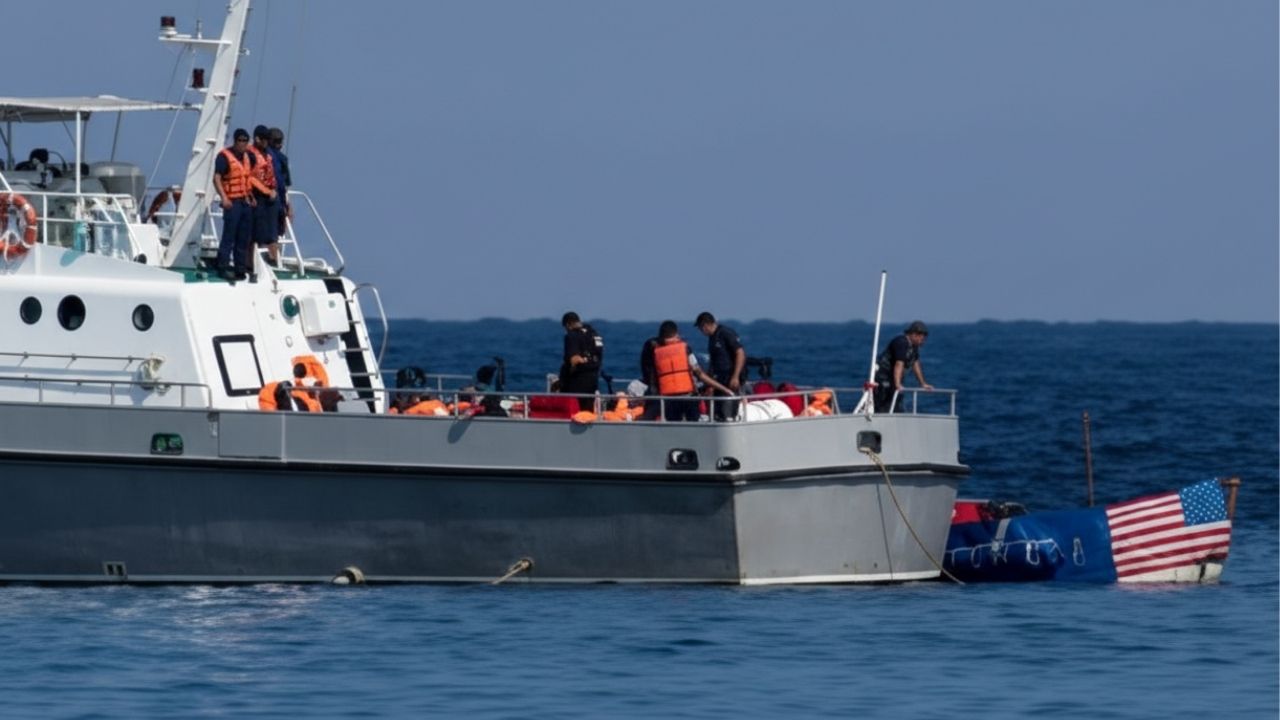
Deadly clash off Cuba’s coast
According to Cuba’s Interior Ministry, the confrontation took place near Cayo Falcones, off the central province of Villa Clara, when authorities detected a “foreign” Florida‑registered speedboat operating illegally about one nautical mile from Falcones Cay. A Cuban border‑guard vessel moved in to identify the boat, at which point individuals on the speedboat allegedly opened fire, wounding the commander of the Cuban patrol craft and triggering a firefight at sea.
Cuban officials say their forces returned fire to “neutralize the aggression,” leaving four people on the U.S.‑registered vessel dead and six others injured. The wounded were evacuated for treatment in Cuba, and authorities say they are receiving medical care while investigators question survivors about the purpose of the mission and any possible links to smuggling networks.
The Cuban Interior Ministry has labeled the speedboat’s presence “illegal,” stressing that it violated Cuba’s territorial waters and maritime security regulations. The vessel has been identified in local reporting as a Florida‑registered boat, underscoring the cross‑border nature of the incident and raising questions about who organized the trip and what route the boat followed from the United States toward Cuba.
Havana’s justification and official narrative
In a statement published by the Interior Ministry and amplified by the Cuban Embassy in Washington, Havana framed the episode as a defensive operation against an armed intrusion. Officials emphasized that their border‑guard troops were acting within national and international law to protect Cuba’s sovereignty and prevent hostile or criminal activities in its territorial sea.
The Cuban Embassy stated that Cuba remains determined to protect its territorial waters, calling national defense a “fundamental pillar” of the state and linking maritime enforcement directly to regional stability. Authorities also highlighted that one Cuban commander was wounded by gunfire from the U.S.‑registered craft, using that detail to support the claim that the coast guard responded to an attack rather than initiating one.
This framing fits a longstanding Cuban narrative that depicts high‑speed boats from Florida as part of smuggling or irregular migration schemes that endanger lives and threaten national security. In past cases, Havana has cited similar confrontations at sea to justify tighter patrols and more aggressive interdiction tactics against vessels approaching from the north.
Rising US–Cuba tensions
The shootout comes amid already strained relations between Washington and Havana, which sit just about 100 miles apart across the Florida Straits. Recent U.S. sanctions, including an oil squeeze imposed after the removal of Venezuelan leader Nicolás Maduro—long a crucial supplier of subsidized fuel to Cuba—have deepened the island’s economic crisis and sharpened political frictions.
Cuban officials argue that economic pressure from the United States encourages more people to risk dangerous sea crossings, while at the same time pushing Havana to clamp down harder on any vessel it sees as part of trafficking or illegal migration networks. Human‑rights and migration experts have repeatedly warned that this combination of economic desperation and militarized maritime enforcement raises the risk of deadly incidents like Wednesday’s clash.
So far, the White House has not issued a public response to the killings, and U.S. agencies are still gathering information about the identities and nationalities of the dead and injured, as well as the ownership and purpose of the Florida‑registered speedboat. Any formal reaction from Washington will likely weigh not only the facts at sea, but also broader debates about migration policy, sanctions, and the future of U.S.–Cuba engagement.
For readers looking to follow official updates, it is worth monitoring statements from the U.S. Coast Guard and State Department, as well as international coverage from outlets such as the BBC and Reuters, which frequently track maritime security and migration crises in the Caribbean. Additional context on Cuba’s migration patterns and past sea incidents can also be found through organizations like the International Organization for Migration (IOM) and the Inter‑American Commission on Human Rights, which document regional trends and human‑rights concerns.







Leave a comment