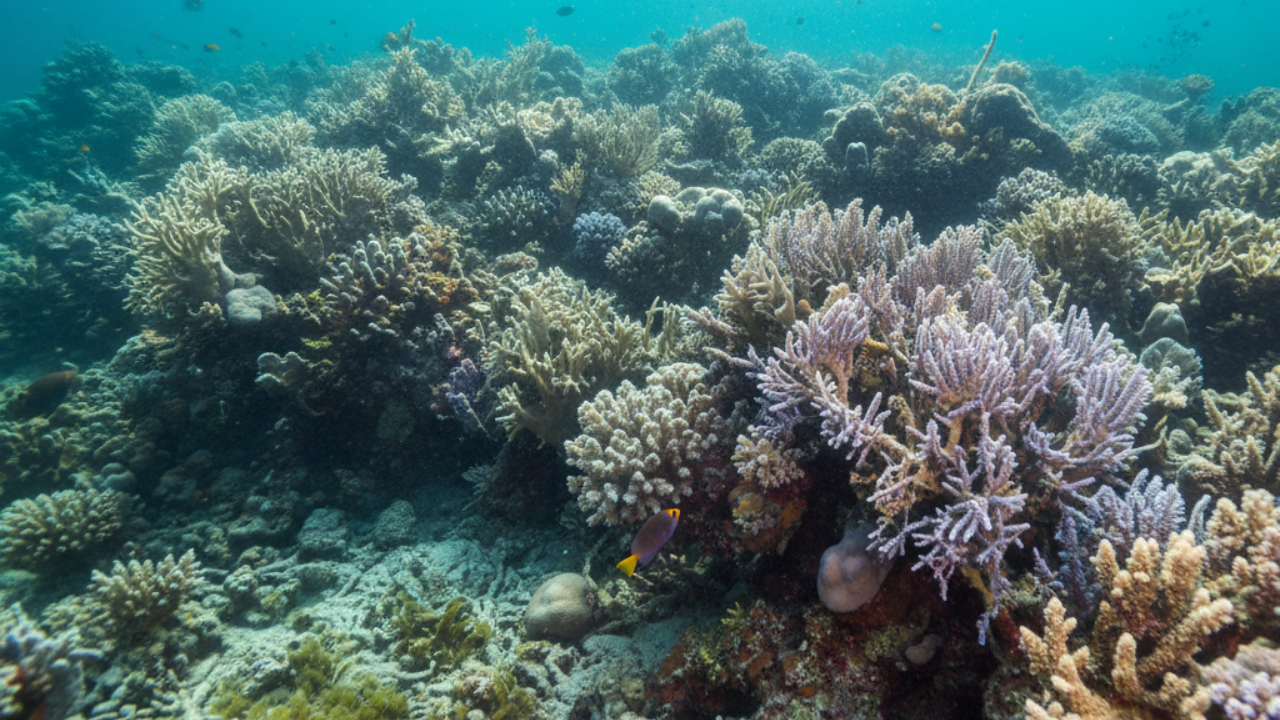
Scientists have reported record levels of coral bleaching across multiple ocean regions, raising alarms about the health of marine ecosystems. Coral bleaching occurs when prolonged heat stress forces corals to expel the symbiotic algae that provide them with color and nutrients.
Recent marine surveys indicate that unusually warm ocean temperatures have affected reefs in the Pacific, Indian, and Atlantic Oceans. Some reef systems have experienced severe bleaching, with potential long-term ecological consequences.
Coral reefs are vital ecosystems supporting diverse marine life. They also provide economic benefits through tourism and fisheries. The loss of healthy reefs could therefore impact both biodiversity and coastal communities that depend on marine resources.
Climate scientists link the bleaching events to global warming trends. Rising greenhouse gas emissions have contributed to increasing sea surface temperatures. Marine heatwaves are becoming more frequent and prolonged, placing additional stress on coral systems.
While some coral species can recover if temperatures return to normal quickly, repeated bleaching events reduce resilience. Severe cases may lead to large-scale coral mortality, transforming vibrant reef ecosystems into degraded habitats.
Conservation efforts are underway in various regions. Marine protected areas aim to reduce additional stressors such as overfishing and pollution. Researchers are also exploring coral restoration techniques, including selective breeding of heat-resistant strains.
However, scientists emphasize that local conservation alone cannot offset global climate change impacts. Reducing carbon emissions remains central to protecting marine ecosystems.
Coastal economies face potential consequences. Tourism industries centered on reef attractions may suffer if coral degradation continues. Fisheries dependent on reef habitats could also experience declines.
International environmental organizations are urging stronger climate action at global summits. Protecting coral reefs is increasingly framed not only as an environmental issue but also as an economic and humanitarian concern.
Public awareness campaigns seek to educate communities about reef conservation. Individual actions, such as reducing pollution and supporting sustainable seafood, contribute to broader efforts.
The record bleaching events highlight the urgency of climate mitigation. Coral reefs serve as indicators of ocean health, and their decline signals broader environmental stress.
The coming years will be critical in determining whether global climate action can slow or reverse current trends. For now, scientists continue monitoring reef systems closely while advocating for stronger environmental commitments worldwide.

International
 Waqar WashingtonFebruary 15, 20261 Mins read
Coral Reefs Experience Record Bleaching Due to Rising Ocean Temperatures
Scientists have reported record levels of coral bleaching across multiple ocean regions, raising alarms about the health of marine ecosystems.
Waqar WashingtonFebruary 15, 20261 Mins read
Share


Related Articles

International Waqar WashingtonFebruary 26, 2026
Space Force Halts Vulcan Rocket Launches After Solid Booster Anomaly
The U.S. Space Force has paused future Vulcan rocket launches after a...
Waqar WashingtonFebruary 26, 2026
International Waqar WashingtonFebruary 26, 2026
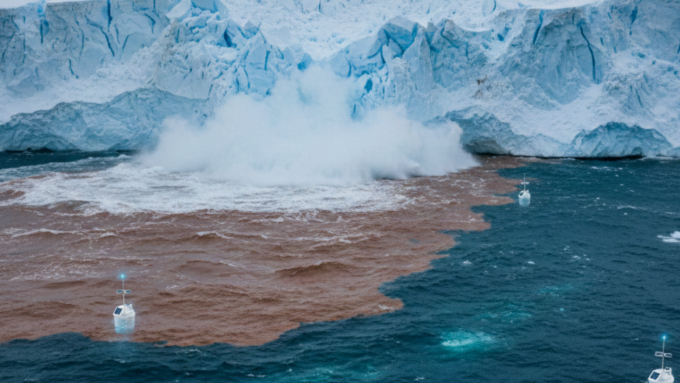
Rutgers Study Debunks Myth That Melting Glaciers Could Help Slow Climate Change
Rutgers University scientists have overturned a widely held theory that melting Antarctic...
Waqar WashingtonFebruary 26, 2026

International Waqar WashingtonFebruary 26, 2026
Hidden Architecture Inside Cellular Droplets: Scripps Research Uncovers New Drug Targets for Cancer and Neurodegenerative Diseases
Scripps Research scientists have uncovered a hidden internal structure inside cell “droplets,”...
Waqar WashingtonFebruary 26, 2026

International Waqar WashingtonFebruary 26, 2026
Oil holds near 7-month highs as US-Iran talks open in Geneva
Oil prices are trading near seven-month highs as traders closely watch the...
Waqar WashingtonFebruary 26, 2026



Leave a comment