


In Iran, Christianity itself is not illegal, but choosing it freely can be. Ethnic Christian communities such as Armenians and Assyrians are officially recognised, yet even they operate under heavy restrictions. For Muslim-background converts to Christianity, the situation is far harsher. Conversion is treated as a threat to the state, and faith becomes grounds for surveillance, arrest, and imprisonment. Iran’s persecution of Christians is driven less by mob violence and more by a sophisticated system of legal control, intelligence monitoring, and psychological pressure.
A System That Targets Conversion
Iran’s constitution recognises Christianity as a minority religion, but this recognition comes with strict limits. Churches are not permitted to evangelise, services in Persian are restricted, and Muslim-background believers are barred from attending recognised churches. As a result, many converts gather in private homes. These house churches are illegal under Iranian law. Authorities label them as threats to national security rather than religious gatherings. This framing allows the state to bypass religious freedom protections entirely. Christians are not charged for belief alone, but for vague offences such as “acting against national security”, “propaganda against the state”, or “membership in illegal groups”.
Arrests and Harsh Sentences
Raids on house churches are common. Security forces confiscate Bibles, phones, and personal belongings. Worshippers are detained, interrogated, and often pressured to sign statements renouncing their faith. Sentences can range from several years in prison to long-term surveillance and travel bans. Courts frequently rely on intelligence reports rather than evidence presented openly. Defendants are often denied proper legal representation. Human rights organisations have documented how peaceful religious activity is repeatedly redefined as criminal conspiracy.
Psychological Pressure and Coercion
Beyond prison sentences, Iranian authorities use intimidation to break believers. Christians report threats against their families, loss of employment, and pressure to inform on others. Some are forced to sign pledges agreeing to cease all religious activity. This creates a climate where fear does much of the work of repression. Many believers choose exile, fleeing the country to escape constant monitoring. Others remain, practising their faith in silence.
Prison Conditions
Christians who are imprisoned often face harsh conditions. Overcrowding, denial of medical care, and solitary confinement are commonly reported. Some prisoners describe being interrogated repeatedly about their beliefs, treated as ideological enemies rather than criminals. International monitors have expressed concern that prisoners of conscience are deliberately placed under pressure to force confessions or renunciation.
Children and Families at Risk
Persecution in Iran extends beyond individuals. Families of converts are frequently targeted. Children may be harassed in schools. Spouses face pressure to divorce. Parents are warned that their faith could lead to loss of custody. This collective pressure aims to isolate believers socially and emotionally, making continued faith practice unsustainable.
International Response
Iran’s treatment of Christians has drawn sustained international criticism. The United States Commission on International Religious Freedom consistently lists Iran among the worst violators of religious freedom. Amnesty International and Human Rights Watch have documented patterns of arbitrary detention and abuse. Despite this, Iranian authorities deny wrongdoing, insisting that actions are taken for security reasons, not religious discrimination.
The Human Reality
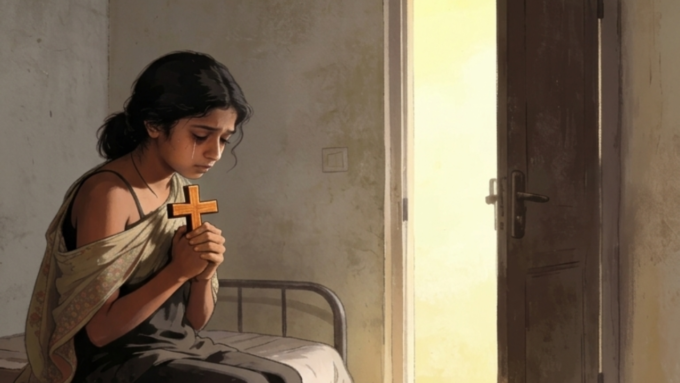
For Iranian Christians, persecution is often quiet but relentless. It is lived through closed doors, whispered prayers, and constant vigilance. Faith becomes something hidden, carried internally rather than expressed openly. Many converts describe living double lives, careful with every word, every relationship, every gathering.
Conclusion
Christian persecution in Iran is systematic, legalised, and carefully enforced. By redefining faith as a security threat, the state criminalises belief while maintaining a façade of constitutional tolerance. Until religious freedom is recognised as a fundamental human right rather than a conditional privilege, Christians in Iran will continue to face courts, prisons, and pressure simply for choosing their faith.






Leave a comment