

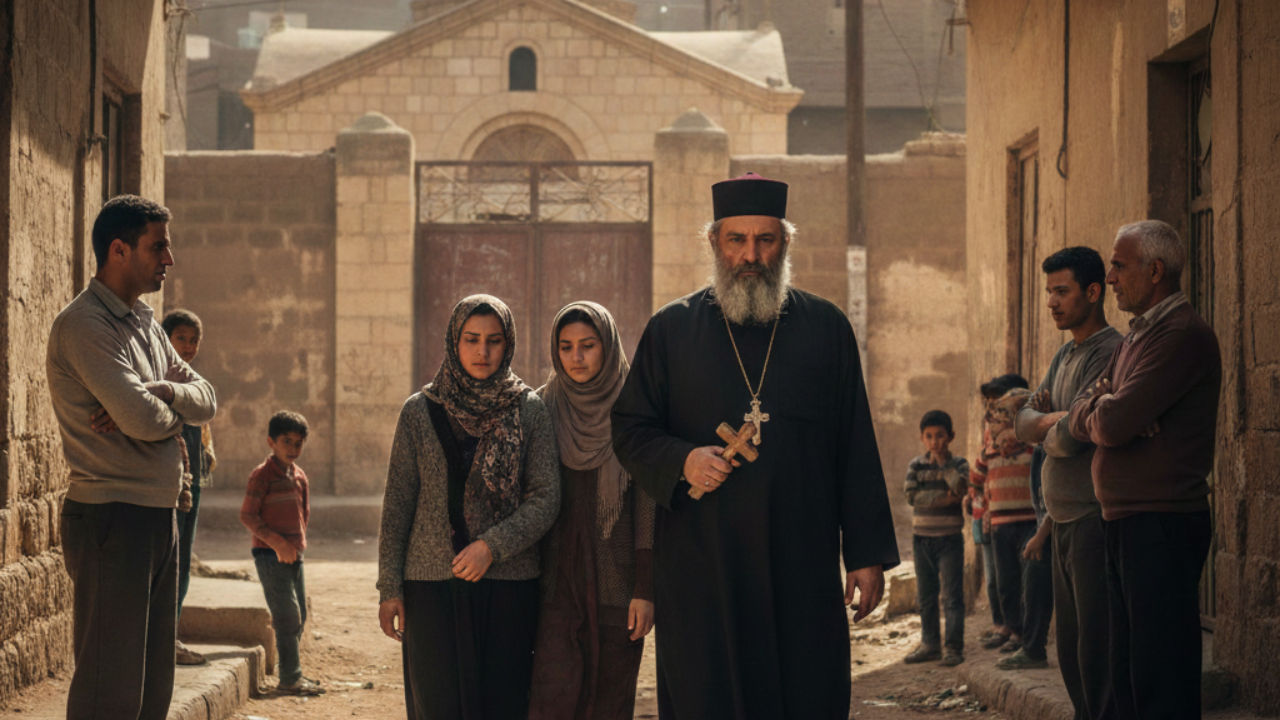
In Egypt, Christianity is ancient, deeply rooted, and yet persistently vulnerable. The Coptic Christian community traces its history back nearly two thousand years, long before modern Egypt came into existence. Despite this legacy, Coptic Christians today continue to face discrimination, periodic violence, and systemic inequality that shapes nearly every aspect of public life. Persecution in Egypt is not constant warfare, but it is persistent pressure. It is lived through legal barriers, social exclusion, and recurring attacks that rarely bring justice.
A Community Under Pressure
Coptic Christians make up the largest Christian population in the Middle East, estimated at around ten percent of Egypt’s population. Despite their numbers, they remain politically underrepresented and socially marginalised. Christians often report barriers in employment, education, and public office. Senior positions in the military, security services, and key state institutions are rarely accessible. In rural areas, Christians face even greater vulnerability, where local power dynamics and extremist influence often outweigh the rule of law. This imbalance creates an environment where discrimination is normalised and rarely challenged.
Church Attacks and Sectarian Violence
Egypt has witnessed repeated attacks on churches and Christian communities over the years. Bombings, arson attacks, and armed assaults have targeted worshippers during services, particularly during major religious celebrations. While security has improved in some urban areas, rural communities remain exposed. Villages in Upper Egypt have experienced mob violence triggered by rumours, personal disputes, or accusations of blasphemy. Homes are burned, churches attacked, and families displaced. These incidents often end with so-called “reconciliation sessions”, informal settlements that pressure victims to forgive attackers without legal consequences. Critics argue that this practice undermines justice and reinforces impunity.
Legal and Structural Discrimination
Although Egypt’s constitution formally guarantees freedom of belief, the legal framework does not provide equal protection in practice. Building or repairing churches has historically required special permits, often delayed or denied. While reforms have been announced, implementation remains inconsistent. Blasphemy laws are another source of concern. Christians have been prosecuted for social media posts, classroom discussions, or perceived insults to Islam. These cases generate fear and self-censorship, especially among young people. Human rights groups warn that vague laws allow selective enforcement, disproportionately affecting religious minorities.
Everyday Discrimination
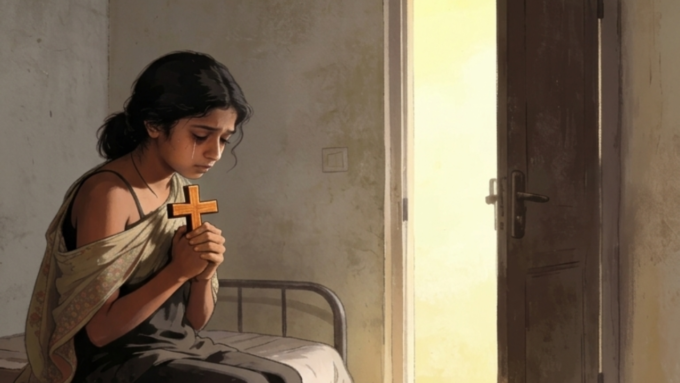
Beyond high-profile attacks, Coptic Christians face daily forms of exclusion. In schools, Christian students may be pressured to participate in Islamic studies or face harassment from peers. In workplaces, promotions can be limited. In media, Christian voices are often absent or stereotyped. Women from Christian communities face compounded vulnerability. In some cases, families report forced conversions or marriages, with limited recourse to justice. These realities create a sense of second-class citizenship that many Christians describe as exhausting and demoralising.
Government Response and Limits
The Egyptian government frequently emphasises national unity and has publicly condemned attacks on Christians. Security presence around churches has increased, particularly during holidays. Some perpetrators of major attacks have been prosecuted. However, human rights organisations argue that responses are inconsistent. Lower-level violence often goes unpunished. Structural discrimination remains unaddressed. Public discussion of religious inequality is tightly controlled, limiting space for advocacy. Stability is prioritised, but accountability is often sacrificed.
International Concern
Egypt’s treatment of religious minorities has drawn attention from international observers. Reports from the United States Commission on International Religious Freedom and Amnesty International highlight ongoing concerns about discrimination, blasphemy prosecutions, and sectarian violence. At the same time, Egypt’s strategic importance has meant that international pressure is often muted or selective.
The Human Reality
For many Coptic Christians, persecution is not a single dramatic event but a lifetime of small exclusions and recurring fear. It is choosing silence to avoid trouble. It is teaching children to be careful about their identity. It is rebuilding after attacks without certainty that it will not happen again. Faith persists, but often under strain.
Conclusion
Christian persecution in Egypt is rooted in a complex mix of history, law, and social attitudes. While the state presents itself as a protector of minorities, deep inequalities remain unresolved. Violence, discrimination, and lack of accountability continue to shape the lives of millions of Coptic Christians. Until equality moves beyond rhetoric and into daily reality, Egypt’s Christians will remain citizens whose belonging is always conditional.






Leave a comment