

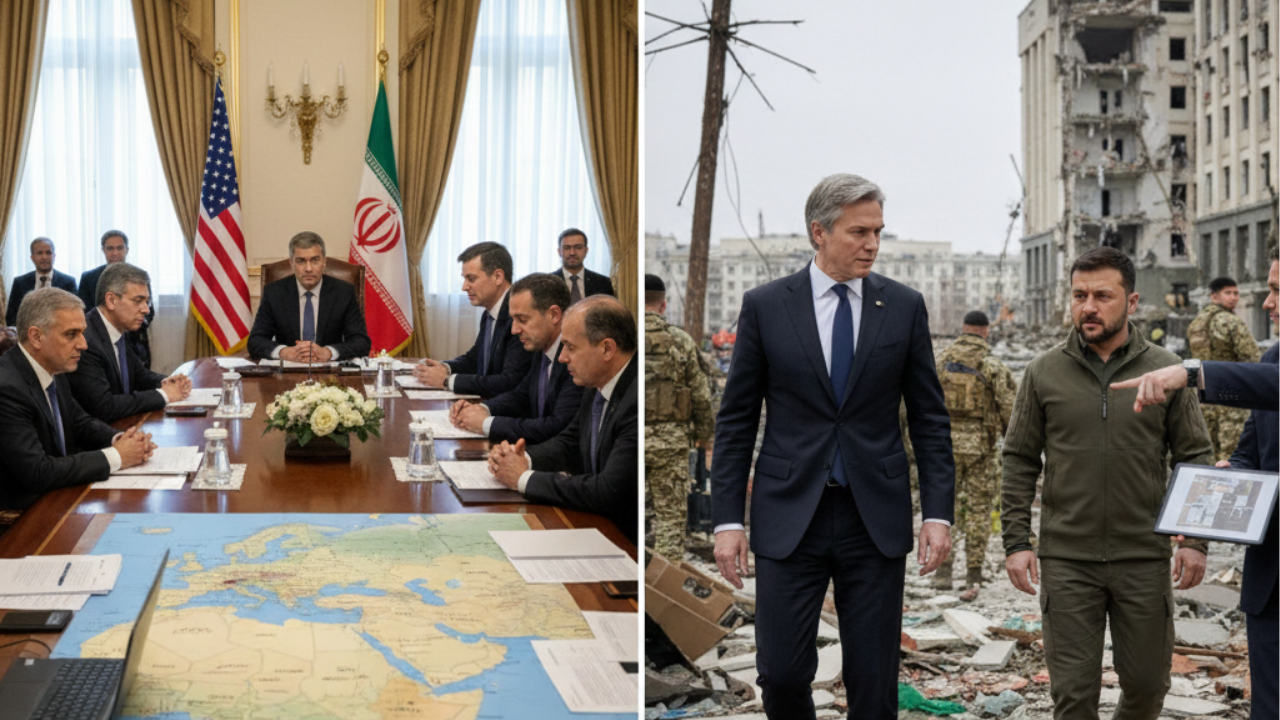
US envoys are racing between crisis talks on Iran’s nuclear programme and the war in Ukraine, highlighting an intense new phase of international diplomacy and raising doubts over Washington’s capacity to deliver breakthroughs on either front.
Geneva becomes crisis hub
In recent days, top U.S. envoys have converged on Geneva, turning the Swiss city into the focal point of parallel negotiations with both Iranian and Russian delegations. Meetings on Iran’s nuclear file have been held under tight security at the Omani mission and other discreet venues, while talks on ending Russia’s invasion of Ukraine are taking place at the upscale InterContinental Hotel. This compressed schedule reflects the Trump administration’s drive to show progress on multiple high‑stakes dossiers at once.
Iran nuclear dispute back in spotlight
On the Iran track, U.S. envoys are engaging in indirect talks with Iranian Foreign Minister Abbas Araghchi, with Oman again acting as a key mediator. Negotiators have signalled incremental movement and reference “guiding principles” for a possible understanding, but no concrete breakthrough has yet been announced. The discussions unfold against a backdrop of heightened tensions, a U.S. military buildup around Iran, and fears that miscalculation could spark a wider Middle East conflict.
For context on the history and technical details of Iran’s nuclear programme, readers can consult the International Atomic Energy Agency’s country briefs on Iran, which provide regular verification reports and background documents.
Ukraine talks test U.S. leverage
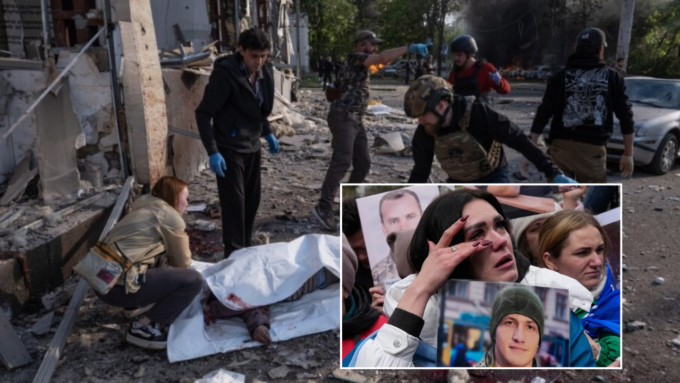
In parallel, the same U.S. team is shuttling into negotiations aimed at halting Europe’s largest land war since the Second World War. The envoys are trying to narrow gaps between Russia and Ukraine on ceasefire terms, territorial control and security guarantees, but expectations for a rapid breakthrough remain low after four years of grinding conflict. Ukrainian officials frame the Geneva meetings as part of a broader push for a post‑war recovery roadmap and prisoner exchanges, even as front‑line fighting continues.
For deeper background on the conflict’s evolution and previous negotiation formats, analytical dossiers from think tanks such as the International Crisis Group and the Carnegie Endowment for International Peace offer additional context.
Overstretch fears and diplomatic risks
The decision by President Donald Trump to assign close confidants Steve Witkoff and Jared Kushner to both Iran and Ukraine files in a single day has fuelled criticism from foreign‑policy veterans. Analysts warn that juggling two complex crises at once risks “overstretch,” with one regional official likening the situation to “a room with two critically ill patients and only one doctor,” where neither gets adequate attention. Critics also question the envoys’ limited diplomatic experience, arguing that seasoned negotiators are usually needed for talks of such strategic weight.international.
Some experts point out that as long as diplomacy drags on without clear outcomes, Washington can maintain pressure through sanctions and military deployments, especially around Iran. That dynamic may deter escalation in the short term but keeps markets, regional governments and security planners on edge due to the persistent risk of miscalculation.
Why these talks matter globally
The twin tracks in Geneva underscore how closely interlinked today’s crises have become, from nuclear proliferation risks in the Gulf to energy security and territorial integrity in Eastern Europe. Progress on either front could reshape global oil prices, arms control regimes and the future of Western security architecture, while failure would deepen instability and undermine confidence in U.S. leadership. As envoys shuttle between hotel suites and secure compounds, governments from Europe to the Middle East are watching for even modest signs of de‑escalation.





Leave a comment