

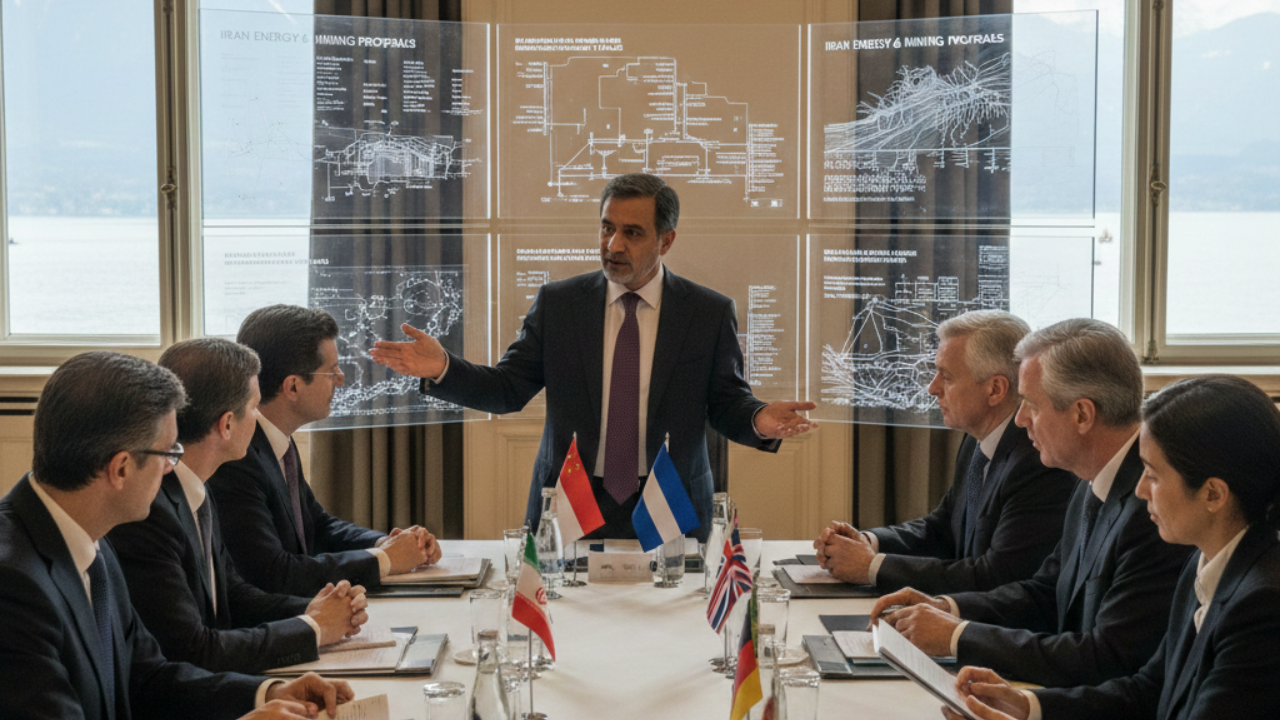
Iran is strategically positioning energy and mining deals as key incentives in upcoming nuclear negotiations with the United States in Geneva, signaling a push for mutual economic gains amid heightened tensions. These proposals come as Tehran seeks sanctions relief while offering access to its vast natural resources.
Diplomatic Push Ahead of Geneva Talks
Iran’s Foreign Ministry has explicitly floated joint ventures in oil, gas, and mining sectors to sweeten a potential nuclear accord. Hamid Ghanbari, deputy director for economic diplomacy, highlighted “common interests in the oil and gas fields, joint fields, mining investments, and even aircraft purchases” during a recent Chamber of Commerce meeting, according to Fars News Agency. This approach aims to ensure any deal delivers “high and quick economic returns” for the US, contrasting with the 2015 nuclear pact that Tehran claims favored others without securing American benefits.
The second round of indirect talks, mediated by Oman, is set for February 17 in Geneva, following initial discussions earlier this month. Iran’s Foreign Minister Abbas Araghchi has already departed Tehran to lead the delegation, which includes technical experts and plans for side meetings with the IAEA chief. US envoys Steve Witkoff and Jared Kushner are expected to participate, as confirmed by Secretary of State Marco Rubio, who noted President Trump’s preference for diplomacy over escalation.
Iran’s Resource Powerhouse
Tehran’s offer taps into its world-class energy and mining assets, making these proposals highly attractive for foreign investors. Iran holds the world’s fourth-largest proven oil reserves and second-largest natural gas reserves, with the South Pars field alone representing massive untapped potential for joint development. Upstream exploration and enhanced recovery techniques could boost daily production beyond 4 million barrels of oil equivalent, fueling global energy needs while generating billions in revenue.
- Key strengths: Abundant hydrocarbons in Khuzestan and Persian Gulf regions; emerging offshore opportunities in the Caspian Sea.
- Mining highlights: Over 68 minerals including copper, iron ore, zinc, and gold, valued at $700 billion, with Imidro targeting steel output at 55 million tonnes by 2025.
For deeper insights into Iran’s oil and gas landscape, explore this industry analysis. These sectors have long suffered from sanctions limiting technology and capital, but eased restrictions could unlock rapid growth through partnerships.
Nuclear Stakes and Economic Incentives
The proposals emerge against a backdrop of stalled nuclear progress and military risks. Iran has enriched uranium to near-weapons-grade 60% levels and refuses zero-enrichment demands from Washington, insisting on peaceful purposes. Tehran signals flexibility, like diluting stockpiles for sanctions relief, but views economic perks as essential for deal durability.
US pressure intensifies: Recent White House talks with Israel’s Benjamin Netanyahu aim to curb Iran’s oil exports to China, which absorb over 80% of its crude. June 2025 airstrikes by the US and Israel hit nuclear sites, prompting threats of retaliation and a second US carrier deployment. Yet, Deputy Foreign Minister Majid Takht-Ravanchi told the BBC the “ball is in America’s court,” emphasizing compromise potential.
Strategic Implications for Global Markets
These energy and mining overtures could reshape Middle East dynamics and energy prices. Successful deals might stabilize oil supplies, countering disruption fears that have spiked premiums in 2026 forecasts. For the US, access to low-cost Iranian resources aligns with Trump’s deal-making ethos, potentially offsetting domestic production costs while curbing Tehran’s regional influence.
Iran’s mining sector, ripe for $40 billion in investments, offers quick wins like copper cathode expansion to 800,000 tonnes annually. Learn more about unlocking this potential via MEED’s mining report. Broader ties, including aircraft deals, signal Tehran’s holistic vision for post-sanctions revival.
Path Forward in Geneva
As Araghchi arrives in Geneva, optimism tempers caution—initial Oman talks showed “positive direction,” per Takht-Ravanchi. Trump has warned of “very traumatic” consequences without a deal, underscoring urgency. Success hinges on bridging enrichment gaps while economic lures like joint South Pars phases or mineral exploration draw US buy
Failure risks escalation: Gulf states fear regional war, and IAEA verification remains contentious. Still, these proposals mark Iran’s pragmatic pivot, blending nuclear concessions with resource diplomacy to forge lasting peace.





Leave a comment