

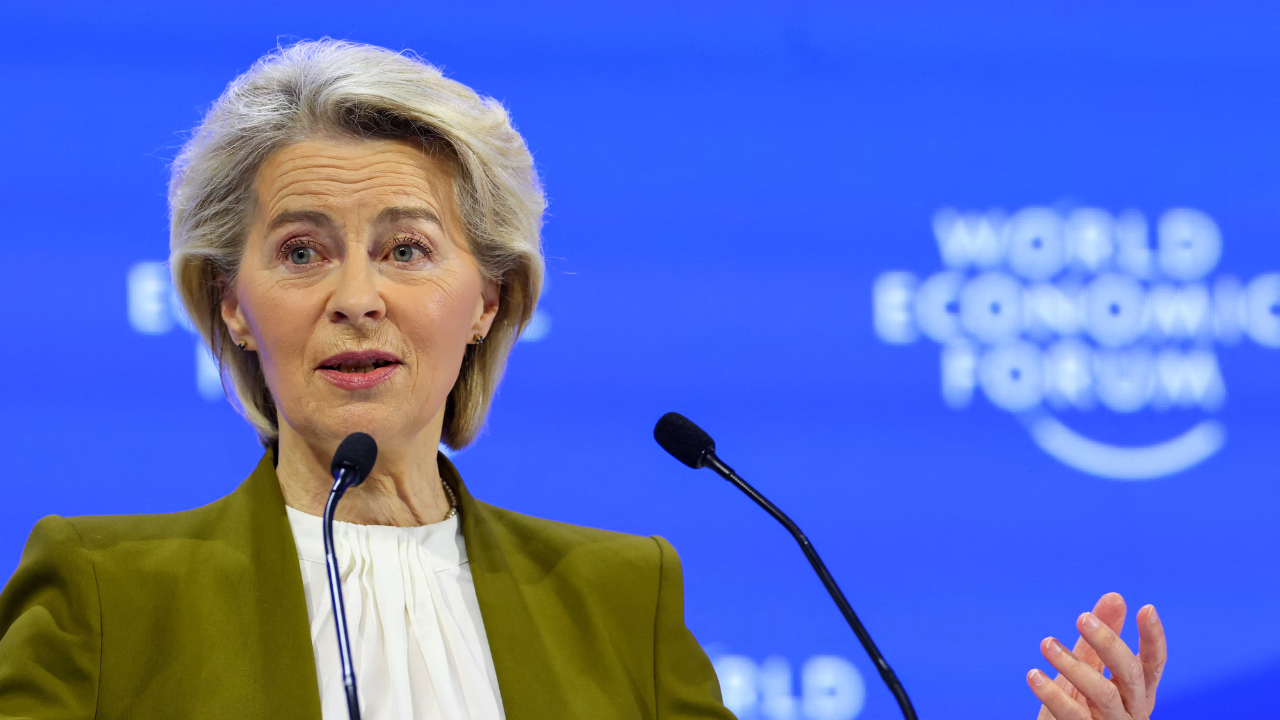
European leaders are warning that climate change is increasingly merging with security risks, highlighting threats to critical infrastructure, energy supplies, migration, and geopolitical stability as global risks intensify.
What European leaders are warning about
European officials and experts say the biggest near-term danger is not a conventional military invasion but hybrid attacks on critical infrastructure, such as subsea cables, gas pipelines, and power grids, which could paralyze economies and societies. They argue that climate‑driven stresses—like extreme weather, water scarcity, and energy disruptions—can amplify these vulnerabilities and fuel instability around Europe’s borders.
Climate change as a security threat
Recent European and global risk assessments describe climate change as a “threat multiplier” that worsens conflicts over water, food, and land and accelerates migration pressures toward Europe. Leaders at forums such as Davos now frame climate action less as a moral issue and more as a core element of national and energy security—reducing dependence on imported fossil fuels and exposure to supply shocks.
Global risks report 2026 findings
The World Economic Forum’s Global Risks Report 2026 finds that in the short term (the next two years), decision‑makers are more focused on geoeconomic confrontation, armed conflict, and technology risks than environmental threats. However, over the longer term, environmental and climate‑related risks dominate the global risk landscape, meaning delayed climate action now will produce sharply higher economic and security costs later.
Russia, US policy, and European vulnerability
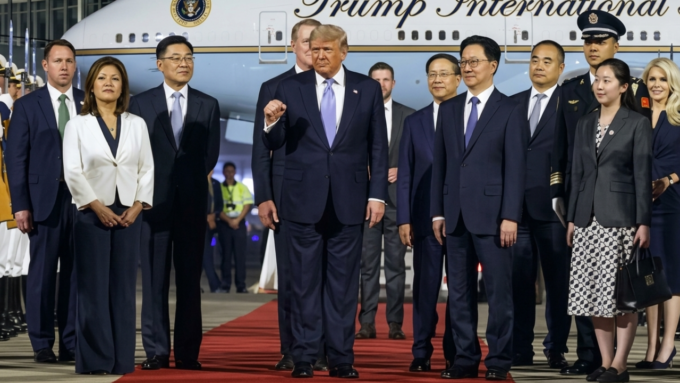
European security experts say Russia remains central to Europe’s risk picture through “slow‑burn” pressure, cyber operations, and infrastructure probing rather than open war, while a potential reduction in US security guarantees under President Donald Trump is itself seen as a major strategic risk. This combination leaves Europe exposed to external shocks—energy supply disruptions, Arctic and maritime tensions, and contested trade routes—that are all aggravated by climate and environmental change.
How European leaders say they will respond
European leaders and institutions are calling for: strengthening protection and redundancy of critical infrastructure; integrating climate adaptation and resilience into security planning; and accelerating the clean‑energy transition to cut strategic dependence on fossil fuel imports. They also stress the need for coordinated EU‑wide policies on water security, just transition financing, and support for vulnerable neighboring regions to prevent climate‑linked crises from spilling over into Europe.




Leave a comment