

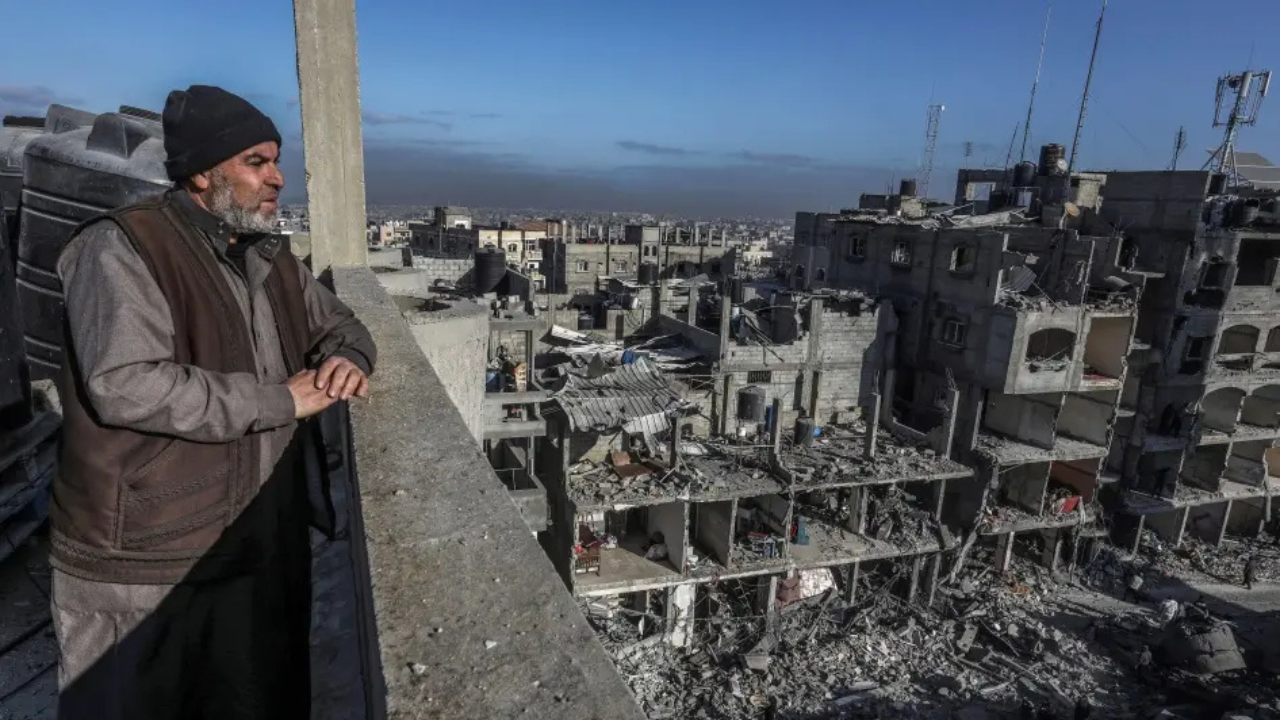
Palestinian civilians detained during Israeli military operations in Gaza have described being seized in mass roundups, held in harsh and often secret sites, and subjected to beatings, humiliation and coercive interrogations that multiple UN and rights bodies say amount to torture and other ill‑treatment.
How Civilians Are Detained
Witnesses say Israeli forces have detained large numbers of civilians at checkpoints, in hospitals, shelters and homes, often during evacuation or “screening” operations. Many report being shackled, blindfolded and transported to undisclosed military camps or prisons inside Israel, without being told the reason for their detention or given timely access to lawyers or family.
UN reporting notes that thousands of Palestinians from Gaza, including medical staff, patients and displaced people, have been taken this way since October 2023, many held incommunicado and without effective judicial review. Some detainees were later released back into Gaza through the Rafah crossing, returning severely traumatized and often unable to locate their families.
Conditions in Detention Sites
Former detainees describe being kept in open-air cages or tented compounds, frequently exposed to extreme cold, with minimal clothing and bedding. Several testimonies mention being stripped naked or left wearing only diapers for prolonged periods, under constant guard and surveillance lights.
They report overcrowded, unsanitary conditions, with restricted access to toilets, showers and medical care, as well as little food and drinking water. UN and expert bodies say such conditions in military‑run facilities fall below basic humane treatment standards and have coincided with dozens of reported detainee deaths.
Physical Abuse and Torture
Multiple testimonies from civilians from areas such as Khan Younis and Beit Lahia describe routine beatings with rifle butts, sticks and boots during arrest and throughout detention. Some former detainees say they were hung by their limbs, forced into painful stress positions for hours, or subjected to electric shocks and burning with cigarettes.
UN human rights reporting records allegations of waterboarding, the release of dogs on detainees, and severe deprivation of sleep, food and water as part of interrogation or punishment. In at least some cases, such treatment reportedly led to permanent injuries, with an Israeli doctor telling UN experts that limbs of Gaza detainees had been amputated after what he termed “routine events” in custody.
Psychological Pressure and Humiliation
Civilians say interrogators frequently used threats, insults and degrading language, including slurs and accusations of terrorism, during questioning. Some describe being forced to chant pro‑Israel slogans, insult Palestinian factions, or praise military dogs that were set on them, under threat of further abuse.
Women returning through Rafah have recounted hours‑long interrogations “filled with pressure and degrading language,” where officers mocked their decision to return to Gaza and warned of future expulsions. Many detainees report long periods of blindfolding and isolation, heightening fear and disorientation, and say they were threatened with harm to their families if they did not cooperate.
Sexual and Gender‑Based Violence
UN investigations and other documentation state that both male and female Palestinian detainees have reported sexual abuse and other gender‑based violence in custody. Men have described assaults targeting their genitals, forced nudity and threats of rape, sometimes combined with beatings or being filmed in degrading situations.
Some women report invasive searches and sexual harassment during arrest and interrogation, including being groped during body searches and threatened with sexual violence. UN bodies have assessed that such practices, when widespread and systematic, amount to torture, rape and other forms of sexual violence as war crimes and, in some findings, crimes against humanity.
Impact on Children and Released Detainees
Children and adolescents from Gaza have also been detained, sometimes held with adults in military facilities under similarly harsh conditions. UN investigators say many child detainees returned to Gaza unaccompanied and severely traumatized, with little information about their families or support systems.
Released civilians commonly describe long‑term physical pain, nightmares, anxiety and difficulty sleeping after their detention and interrogation experiences. Human rights groups and medical organizations warn that the cumulative effect of these practices is deep psychological harm to individuals and to Gaza’s wider civilian population.
If you’d like, I can focus next on how specific organizations such as the UN, Amnesty International or Physicians for Human Rights–Israel are documenting and legally characterizing these accounts.






Leave a comment