

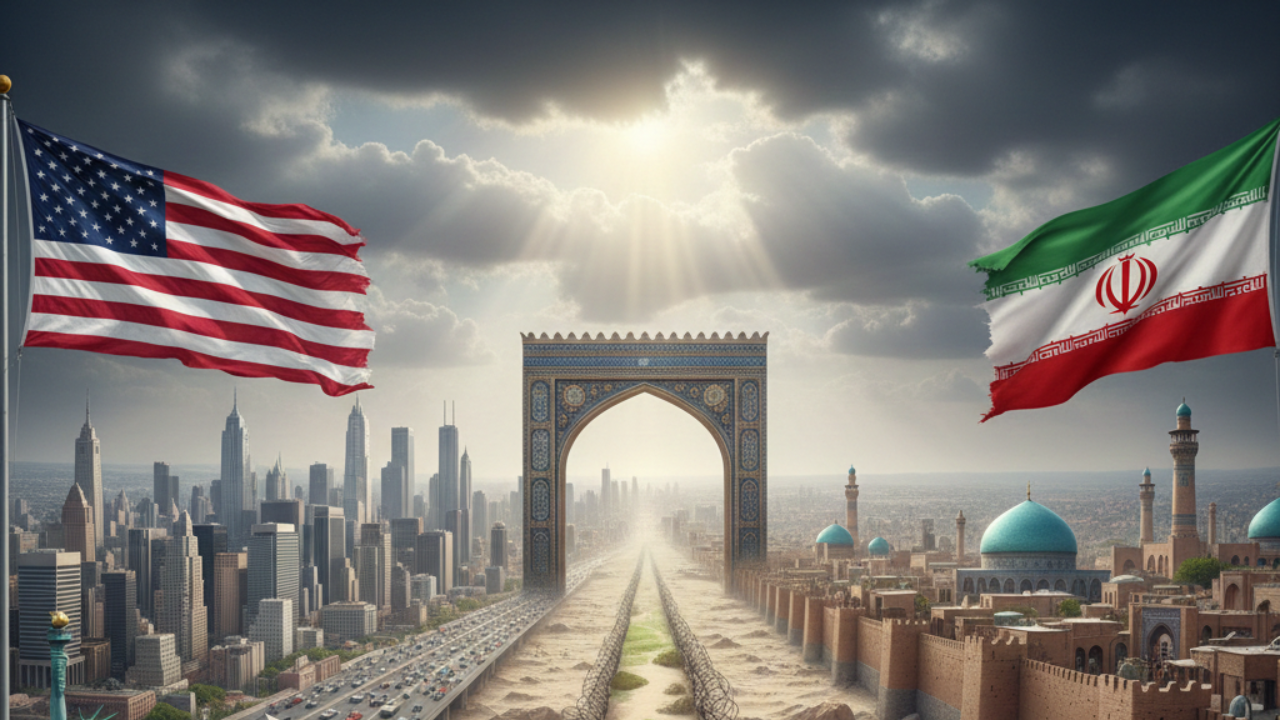
The United States and Iran have signaled a cautious willingness to reduce tensions as indirect talks resumed with the aim of easing long-standing disputes over Iran’s nuclear program and broader regional security issues. The renewed diplomatic contact comes at a time when relations between the two countries remain fragile, shaped by years of sanctions, military incidents, and mutual distrust.
According to officials familiar with the discussions, the talks are being held through intermediaries in a neutral location, with a focus on preventing further escalation rather than reaching a comprehensive agreement immediately. Both sides have described the dialogue as serious but limited, reflecting an understanding that small steps may be more realistic given the current political climate.
The nuclear issue remains at the center of discussions. The United States has repeatedly expressed concern about Iran’s nuclear activities and the level of uranium enrichment, which it says goes beyond what is needed for civilian purposes. Iran, on the other hand, maintains that its nuclear program is peaceful and argues that restrictions should be lifted before it agrees to additional limits. Iranian officials have said sanctions have caused significant economic hardship and must be addressed as part of any progress.
Beyond nuclear matters, regional security is also part of the conversation. Recent military incidents, including encounters involving drones and naval forces, have raised fears of miscalculation. Both Washington and Tehran have indicated that avoiding accidental clashes is a priority, particularly in busy waterways that are vital for global trade and energy supplies.
The talks are taking place against a backdrop of pressure from allies and regional partners. European countries have urged both sides to keep communication channels open, warning that further escalation could destabilize the Middle East and affect global markets. Gulf states are also watching closely, as any confrontation could have direct consequences for their security and economies.
US officials have emphasized that the talks do not represent a return to earlier agreements but are intended to explore ways to stabilize the situation. They have said that diplomacy remains the preferred option, even as the United States continues to enforce sanctions and maintain a military presence in the region. American leaders argue that dialogue and deterrence can operate at the same time.
Iranian leaders have also struck a careful tone. While welcoming discussions, they have warned that progress depends on concrete actions rather than promises. Iranian media has portrayed the talks as a test of US intentions, with commentators stressing that Iran will not accept pressure or threats during negotiations.
Public opinion in both countries remains divided. Some see renewed talks as a necessary step to reduce the risk of conflict, while others are skeptical, pointing to past failures and broken agreements. Hardline voices on both sides continue to argue against compromise, making diplomacy more difficult.
Analysts say the current talks are best understood as damage control rather than a breakthrough. By keeping communication open, both sides hope to manage tensions and avoid sudden crises. Even limited agreements on technical or humanitarian issues could help build confidence over time.
As discussions continue, expectations remain low but cautious. The outcome is uncertain, and major differences persist. Still, the fact that talks are taking place at all suggests that both the United States and Iran recognize the cost of confrontation and see value in keeping diplomacy alive, even in a challenging and uncertain environment.







Leave a comment