

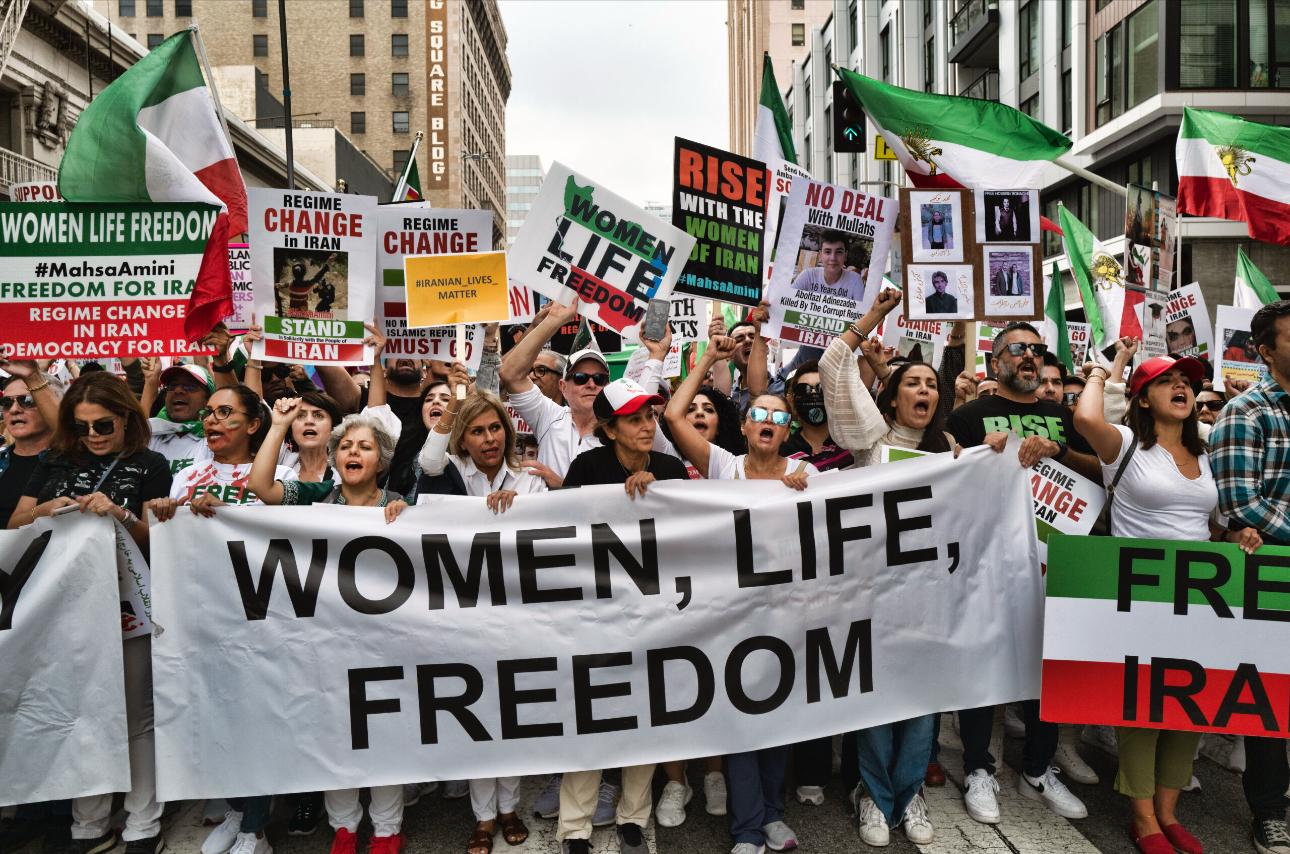
While Iran remains central to Middle Eastern geopolitics, its internal human rights situation continues to deteriorate largely outside sustained global focus. In Iran, authorities maintain tight control through surveillance, arrests, and judicial pressure, particularly against activists, journalists, and women.
Protests over economic hardship, social restrictions, and political freedoms have been met with swift crackdowns. Rights organisations report arbitrary detentions, limited access to legal representation, and harsh prison conditions.
Executions remain a major concern. Iran continues to carry out capital punishment at one of the highest rates globally, including for political-related charges. International appeals for transparency and judicial reform have produced limited results.
Regional conflicts and Iran’s role in supporting armed groups abroad often dominate diplomatic discussions, overshadowing domestic repression. This imbalance, critics argue, allows internal abuses to persist without meaningful international consequences.
Economic sanctions further complicate the picture. While aimed at state institutions, sanctions also deepen economic strain on ordinary citizens, contributing to inflation, unemployment, and reduced access to essential goods.
Despite these pressures, civil resistance continues quietly through cultural expression, online activism, and community networks. However, without sustained international engagement focused on human rights, prospects for systemic reform remain uncertain.




Leave a comment