

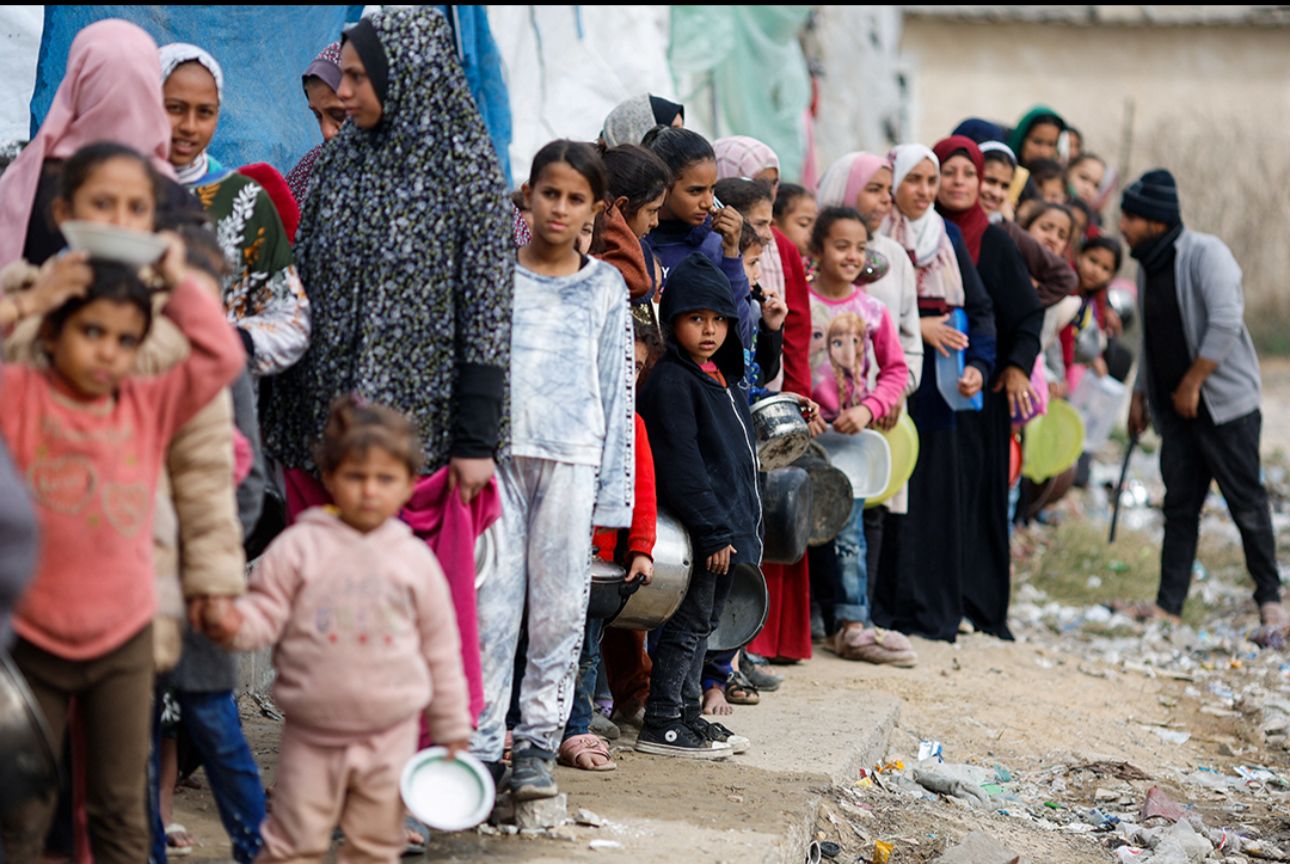
Gaza is no longer just a war zone. It is a slow-moving humanitarian catastrophe unfolding in real time, in full view of the international community. What began as a military confrontation has evolved into a situation where civilians are paying the highest and most enduring price. Entire neighbourhoods have been erased, hospitals barely function, food supplies are scarce, and millions live with the daily uncertainty of survival. Despite global headlines, protests, and diplomatic statements, the reality inside Gaza continues to deteriorate. Aid enters in limited quantities. Borders remain tightly controlled. Political calculations override humanitarian urgency. For Gaza’s population, this is not a temporary crisis but an ongoing collapse of basic human life. This article examines how Gaza reached this point, why international responses have failed to prevent civilian suffering, and what the long-term consequences may be if the current trajectory continues.
A Territory Under Siege
Gaza is one of the most densely populated areas on earth. For years, it has lived under restrictions that have limited movement, trade, and access to essential resources. These restrictions intensified dramatically after the latest war erupted, turning an already fragile environment into an unliveable one. Airstrikes have destroyed homes, schools, mosques, and markets. Infrastructure damage has crippled electricity, water purification systems, and sanitation networks. According to humanitarian agencies, large sections of Gaza no longer have reliable access to clean drinking water, increasing the risk of disease outbreaks. Displacement has reached unprecedented levels. Families flee repeatedly, often with nowhere safe to go. Shelters are overcrowded, lacking privacy, medical care, and adequate food supplies.
Hospitals on the Edge
Medical facilities in Gaza are overwhelmed. Hospitals operate with limited electricity, shortages of essential medicines, and insufficient staff. Doctors perform surgeries without anaesthesia. Patients with chronic illnesses struggle to receive treatment. Children injured in airstrikes often wait hours or days for care. International health organisations have warned that the collapse of Gaza’s healthcare system could lead to more deaths from preventable causes than from direct military action. This includes infections, dehydration, malnutrition, and untreated injuries. The targeting or disabling of hospitals, whether direct or indirect, has raised serious legal and ethical concerns under international humanitarian law.
The Aid Bottleneck
Humanitarian aid is widely acknowledged as insufficient. While trucks carrying food, water, and medical supplies are approved periodically, the volume falls far short of Gaza’s needs. Aid agencies report delays, inspections, and logistical barriers that slow distribution even after supplies enter the territory. Fuel shortages compound the problem. Without fuel, hospitals cannot power generators, water systems cannot operate, and aid trucks cannot move efficiently inside Gaza. The result is a humanitarian paradox: aid exists, donors are willing, but access remains the critical obstacle.
Political Calculations Over Human Lives
The Gaza crisis cannot be separated from regional and global politics. Israel’s security concerns, Hamas’s military strategy, regional power dynamics, and international alliances all shape the situation on the ground. Western governments, while calling for humanitarian pauses, often stop short of applying sustained pressure that could change realities. Regional actors issue strong rhetoric but deliver limited practical relief. Meanwhile, civilians remain trapped between armed groups and political deadlock. This political paralysis highlights a recurring global pattern: when strategic interests dominate, humanitarian principles become secondary.
The Psychological Toll
Beyond physical destruction, Gaza faces a mental health emergency. Children show signs of severe trauma. Families live in constant fear. The absence of stability creates long-term psychological damage that will persist long after the bombs stop falling. Mental health professionals warn of a “lost generation” growing up amid violence, displacement, and grief. Education disruptions further compound this crisis, depriving young people of normal development and future opportunities.
International Law and Accountability
Human rights organisations have documented potential violations of international humanitarian law by multiple parties. These include disproportionate attacks, collective punishment, and restrictions on essential supplies. Calls for investigations and accountability continue, but meaningful legal action remains slow. Without accountability, critics argue, cycles of violence will repeat with impunity.
Why Gaza Matters Beyond Its Borders
The Gaza crisis is not isolated. It affects regional stability, fuels extremism, and shapes global political discourse. Images from Gaza influence protests worldwide, strain diplomatic relations, and deepen divisions within societies far beyond the Middle East. Ignoring Gaza’s humanitarian collapse risks normalising civilian suffering as an acceptable cost of conflict.
Conclusion
Gaza today stands as a stark reminder of the consequences of prolonged conflict combined with political inertia. The humanitarian situation is not accidental. It is the result of deliberate decisions, missed opportunities, and international failure to prioritise civilian life. If current conditions persist, the damage to Gaza’s population will not be measured only in casualties, but in generations shaped by trauma, deprivation, and loss. History will judge not only those who carried out the violence, but those who had the power to reduce suffering and chose hesitation instead.





1 Comment