

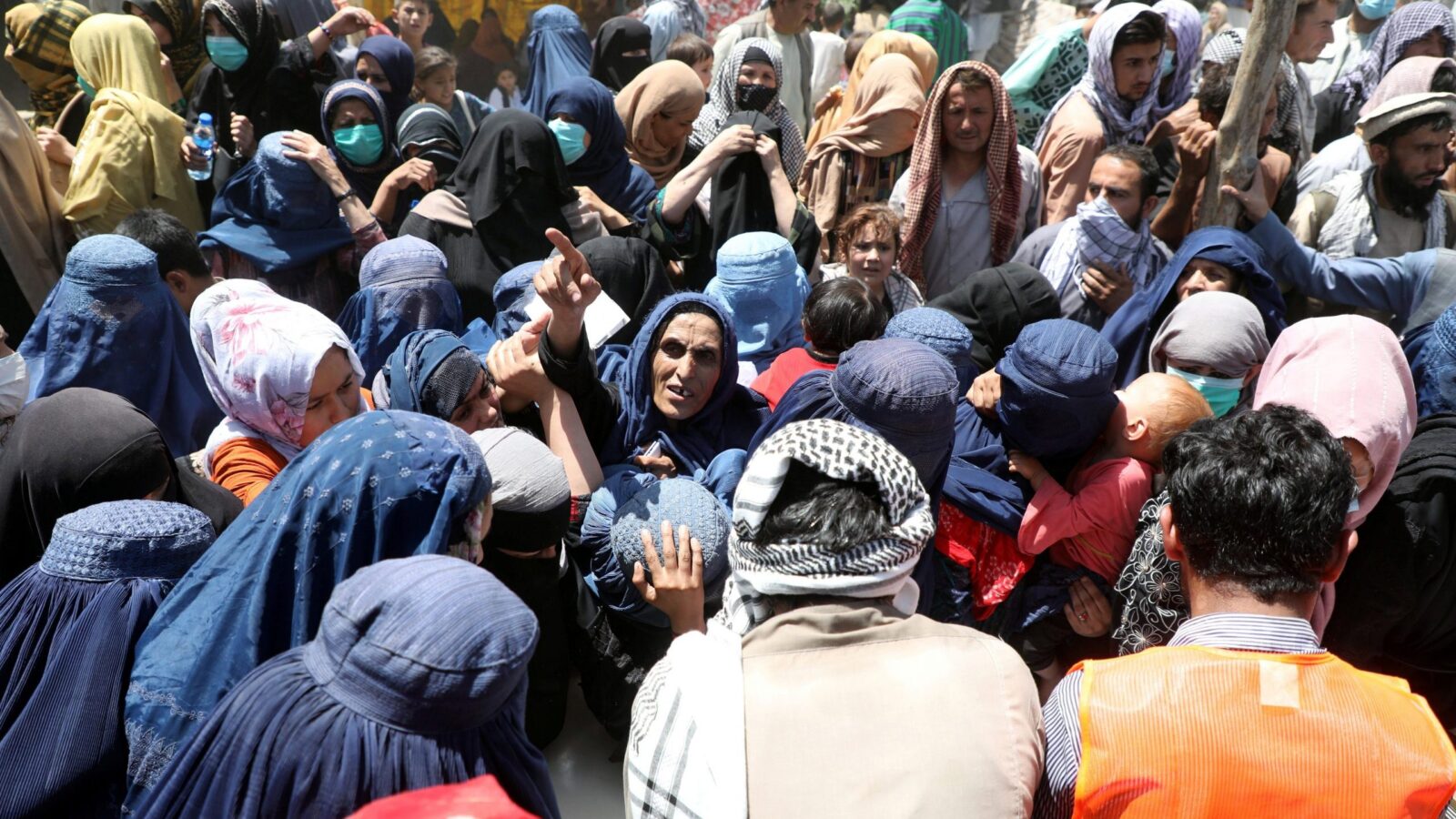
In Afghanistan, Christianity has all but disappeared from public life. Since the Taliban returned to power in August 2021, the already fragile existence of Christians has been pushed further underground. Today, being openly Christian in Afghanistan is virtually impossible. Faith is no longer just risky. It is considered a capital offence. For Afghanistan’s tiny Christian community, persecution is total, absolute, and inescapable.
A Country Where Conversion Means Death
Afghanistan’s legal and social systems are now governed almost entirely by a strict interpretation of Islamic law enforced by the Taliban. Under this framework, conversion from Islam is treated as apostasy, an offence punishable by death. There is no recognised space for Christianity in Afghan society. Churches do not exist. Public worship is unthinkable. Even possessing Christian material, such as a Bible or religious text on a phone, can lead to arrest, torture, or execution. Christians who remain in the country do so in complete secrecy.
Life in Total Secrecy
Before 2021, Afghan Christians already lived cautiously. After the Taliban takeover, secrecy became a matter of survival. Believers erased digital traces of their faith, deleted messages, destroyed books, and cut off contact with other Christians. House churches ceased to function. Small prayer groups dissolved. Even family members are often unaware of one another’s beliefs, as accidental disclosure could be fatal. Trust has vanished. Neighbours, relatives, and even children can unknowingly expose someone through a careless word.
Taliban Enforcement and Fear
The Taliban actively search for those accused of abandoning Islam. Reports from rights groups indicate that Taliban fighters conduct house searches, check mobile phones, and interrogate individuals suspected of having links to Christianity or Western organisations. Those identified as Christians are not treated as religious dissenters but as enemies of the state and of Islam. Punishment is swift and brutal. There is no independent judiciary, no appeal process, and no legal defence. In many cases, victims simply disappear.
Women and Converts at Extreme Risk
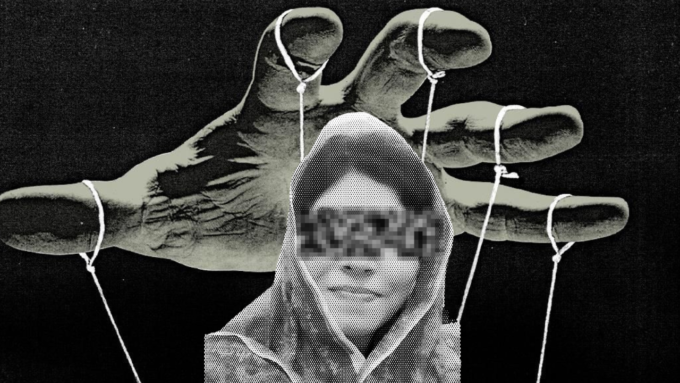
Christian women face compounded danger. Women who convert to Christianity risk forced marriage, sexual violence, or honour killings by family members even before state authorities intervene. Under Taliban rule, women lack legal protection entirely. Families are pressured to report suspected converts. Refusal can result in punishment for the entire household. This climate ensures that persecution does not rely solely on the state. Society itself becomes an enforcement mechanism.
Exile or Silence
Many Afghan Christians attempted to flee the country after 2021. Some succeeded. Many did not. Those who remain are trapped, unable to leave and unable to live openly. Even in exile, fear follows them. Refugees report threats from Afghan networks abroad, warning them against speaking publicly about their faith. For those still inside Afghanistan, silence is the only option.
International Awareness, No Access
Afghanistan’s situation has been widely condemned by international organisations. The United States Commission on International Religious Freedom and Amnesty International have warned that religious minorities face extreme danger. Yet access to the country is limited. Independent monitoring is nearly impossible. The Taliban dismiss international criticism and reject external oversight. As a result, abuses continue largely unseen.
The Human Cost
For Afghan Christians, persecution means isolation without end. There are no churches, no community, no visible signs of faith. Prayer becomes internal. Belief becomes something carried alone. Parents struggle with whether to pass on their faith to their children, knowing that doing so could condemn them to death. Faith survives, but only in silence.
Conclusion
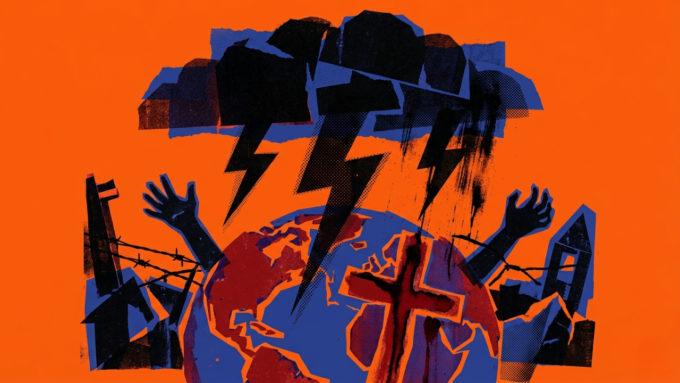
Christian persecution in Afghanistan represents one of the most extreme forms of religious repression in the modern world. Faith is not restricted. It is erased. The combination of state power, social enforcement, and fear leaves no room for belief outside the Taliban’s ideology. As long as Afghanistan remains under Taliban rule, Christians will remain hidden, unheard, and unprotected, practising their faith only at the cost of their lives.



Leave a comment