

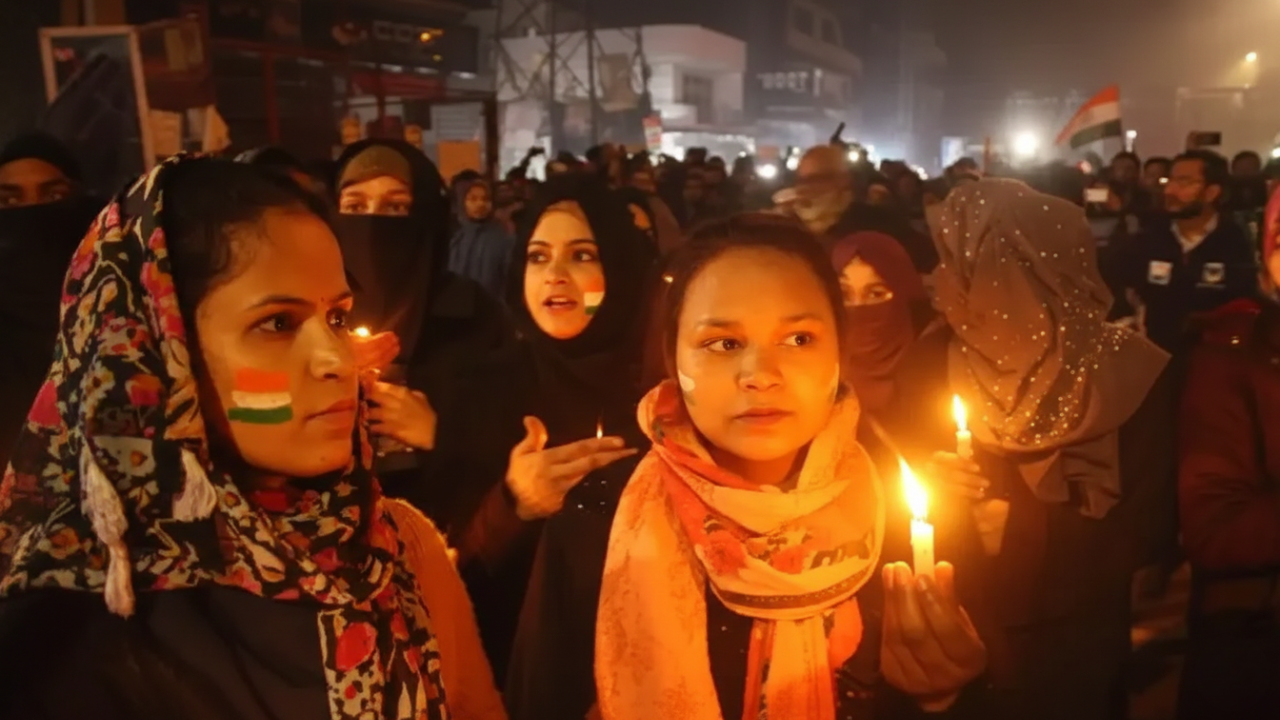
In India, Christians form a small minority, yet in recent years they have found themselves increasingly targeted. What was once described as sporadic hostility has evolved into a pattern of organised harassment, legal pressure, and physical violence. Churches are disrupted, prayer meetings are attacked, pastors are detained, and ordinary believers are treated with suspicion simply for practising their faith.
This shift has unfolded alongside the growing influence of Hindu nationalist ideology, which views India as a nation defined primarily by one religion. For Christians, this has meant shrinking space to worship freely and growing fear of being accused, attacked, or criminalised.
A Surge in Attacks
Independent monitors and church networks report a sharp rise in attacks against Christians across several Indian states. Prayer gatherings are interrupted by mobs, pastors are beaten, and congregations are accused of forced conversions without evidence. In many cases, police arrive not to protect the victims but to detain them, often citing vague complaints from local groups.
According to documentation compiled by advocacy organisations, thousands of incidents of harassment and violence against Christians have been recorded in recent years. These incidents range from threats and intimidation to arson attacks on churches and physical assaults on worshippers. What is striking is not just the number of incidents, but how openly they occur.
Anti-Conversion Laws and Legal Pressure
A central driver of persecution in India is the expansion of so-called anti-conversion laws. Several states have enacted or strengthened legislation that criminalises religious conversion carried out through “force”, “fraud”, or “allurement”. While framed as protective measures, these laws are often applied selectively. Christians argue that these provisions are routinely misused. Ordinary acts such as prayer, charity work, or sharing one’s faith can be labelled as illegal conversion. The burden of proof frequently falls on the accused, not the accuser. Even when cases collapse in court, arrests and detention create lasting damage. Human rights lawyers warn that these laws blur the line between voluntary belief and criminal activity, effectively placing Christian practice under constant suspicion.
The Role of Hindu Nationalist Groups
Grassroots Hindu nationalist groups play a visible role in many incidents. They monitor Christian gatherings, film worship services, and lodge complaints with authorities. In some cases, mobs storm churches during services, accusing pastors of conversion and demanding police action.
This atmosphere is reinforced by political rhetoric that frames religious minorities as outsiders or threats to national identity. Critics argue that silence from leadership has allowed hostility to spread unchecked. International observers have expressed concern that attacks against Christians are rarely condemned strongly and that accountability remains weak.
Christmas and Targeted Disruptions
One of the most telling indicators of hostility has been the targeting of Christian festivals. In recent years, Christmas celebrations in several cities have been disrupted. Carol singers have been harassed, church decorations destroyed, and worship services forcibly stopped. These incidents send a clear message: even peaceful celebration is no longer guaranteed safety.
Police and Institutional Responses
A recurring complaint from Christian communities is the response of law enforcement. Victims report that police often hesitate to act against attackers, citing pressure from local groups or fear of escalation. In some cases, pastors and worshippers are detained “for questioning” while those who led attacks walk free. This imbalance deepens mistrust and reinforces the perception that Christians cannot rely on state institutions for protection.
International Concern
India’s treatment of religious minorities has drawn growing international scrutiny. The United States Commission on International Religious Freedom has repeatedly highlighted concerns about rising intolerance, recommending closer monitoring of India’s human-rights commitments. Global rights organisations argue that failure to address these patterns risks normalising violence and undermining India’s pluralistic foundations.
The Human Impact
For ordinary Christians, persecution is deeply personal. Families fear allowing children to attend church. Pastors live with constant anxiety. Communities avoid public worship to stay safe. Many believers describe feeling invisible, unheard, and unprotected. Faith, once a source of peace, has become a source of risk.
Conclusion
Christian persecution in India is not an accident of local tensions. It reflects a broader climate where religious identity is politicised and minority rights are increasingly fragile. Violence, legal pressure, and social hostility combine to restrict the freedom of Christians to worship openly and safely. Until accountability replaces silence and equal protection becomes more than a constitutional promise, India’s Christians will continue to face a future defined by uncertainty.






Leave a comment