

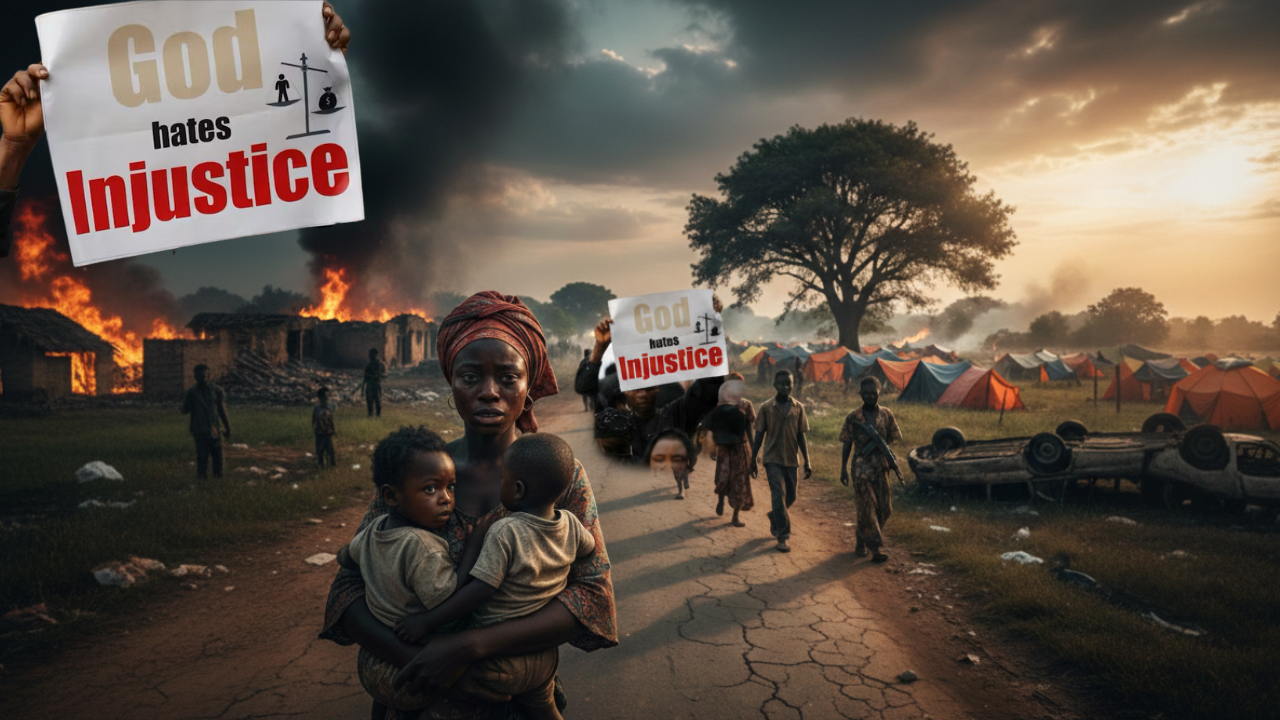
Nigeria is currently one of the most dangerous places in the world to be a Christian. For many believers, everyday life carries a real risk of violent attack, forced displacement, and loss of family and property. In recent years, attacks on Christian communities have intensified, driven by armed groups, militia violence, and weak protection from state authorities.
A Growing Pattern of Violence
Multiple reports document a grim reality: Nigeria consistently records some of the highest numbers of Christians killed each year anywhere in the world. According to the 2026 World Watch List from Open Doors, Nigeria accounted for more Christian deaths than any other country combined in the period under review, with thousands of believers killed due to their faith.
This violence is not random. Christian villages and congregations in Nigeria’s Middle Belt and northern regions have been targeted repeatedly. In June 2025, the village of Yelwata experienced a brutal massacre where estimates suggest between 100 and 200 people were killed and around 3,000 displaced after gunmen attacked late at night.
Local residents and rights groups report that these attacks often involve armed men with rifles and machetes. Churches are burned, homes are destroyed, crops are set alight, and entire communities are forced to flee.
Who Is Behind the Violence?
The perpetrators are varied, but two categories dominate:
- Islamist Extremist Groups:
• Boko Haram and its splinter faction, the Islamic State West Africa Province (ISWAP), have carried out kidnappings, bombings, and massacres targeting Christians and security forces alike for more than a decade. - Militant Herdsmen and Bandits:
• Fulani militias and loosely organized armed groups have been implicated in many attacks on Christian farming communities. These groups often operate with little fear of prosecution, and their activities intersect with broader conflicts over land, grazing access, and local power struggles.
Reports from independent monitors describe these actors as part of a pattern of religiously motivated violence. In 2025 alone, coordinated attacks across villages in Benue and Plateau states led to dozens of deaths, widespread displacement and destruction of property.
Displacement and Humanitarian Impact
The toll extends beyond lives lost. As violence escalates, Christian families are forced to abandon their homes, crops, and livelihoods. Entire communities now live in internally displaced persons (IDP) camps under precarious conditions, with limited access to food, shelter, or medical care.
Humanitarian groups warn that failure to stop these attacks risks creating long-term regional destabilisation. Leaders from both within Nigeria and abroad have called for early warning systems, improved security, and better protection for minority communities.
Government Response and International Debate
Responses from the Nigerian government and international actors have been mixed. The government often frames the violence as part of wider security problems affecting all Nigerians, not only Christians, and rejects claims that persecution of Christians is systematic.
At the same time, international bodies have raised alarms. In 2025, the United States designated Nigeria as a “Country of Particular Concern” for severe violations of religious freedom, a designation aimed at increasing diplomatic and security pressure.
Lawmakers in the United States and the United Kingdom have openly debated how to support persecuted Christians, with some describing the situation as reaching crisis levels that demand stronger international action.
Religious Freedom and Legal Barriers
A deeper issue complicating the violence is Nigeria’s patchwork of legal frameworks. In parts of the north, Sharia law is implemented alongside federal law, creating situations where Christians feel treated as second-class citizens, particularly in areas where blasphemy or apostasy laws are enforced.
Rights groups argue that the legal environment can unintentionally legitimize discrimination and violence. They call for independent investigations, stronger rule of law, and protection of freedom of belief or religion as fundamental human rights.
The Human Cost
Behind the statistics are real people and shattered families. Christian women and children endure the threat of kidnapping, sexual violence, and terror. Pastors and community leaders live under constant fear. Rural farmers are cut off from their land and forced to watch their fields burn. Many survivors speak of lives that have no return to normalcy, only ongoing fear and displacement.
Looking Ahead
There is no simple solution. Ending the violence requires political will, effective security reforms, and community reconciliation. It needs acknowledgement of the specific threats faced by Christian communities and concrete steps to protect minority faiths and uphold universal human rights.
For now, Nigeria’s Christians remain caught in a conflict that crosses lines of faith, ethnicity and politics. Their suffering has sparked global attention and debate, but many argue that more action is needed if the violence is to be meaningfully reduced.




1 Comment