

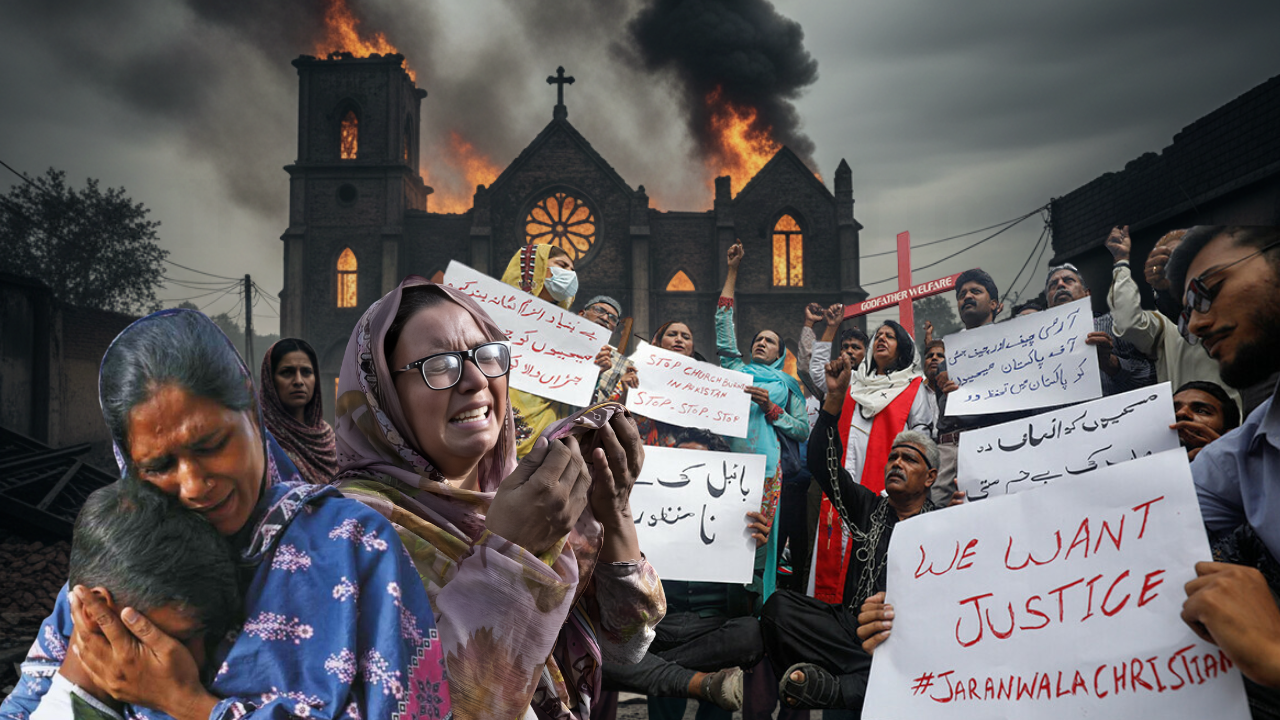
In August 2023, the town of Jaranwala became a symbol of everything that is broken about minority protection in Pakistan. What began as a false blasphemy allegation quickly turned into one of the largest organised attacks on the Christian community in the country’s recent history.
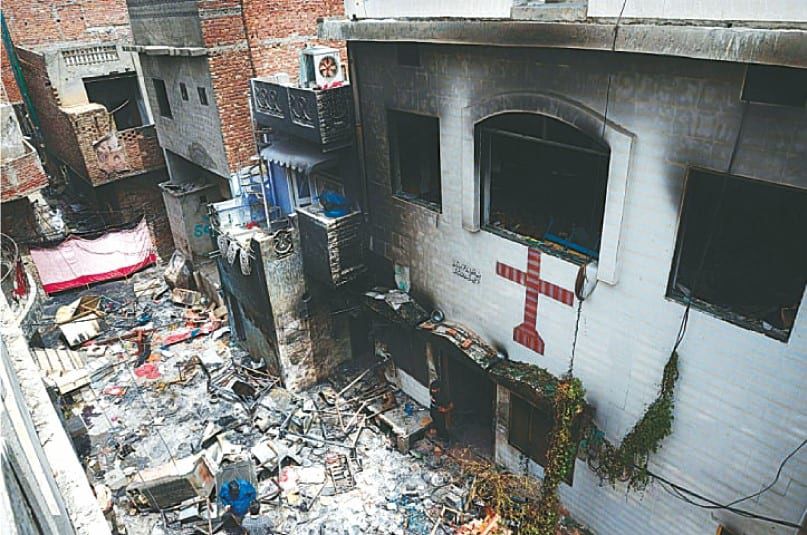
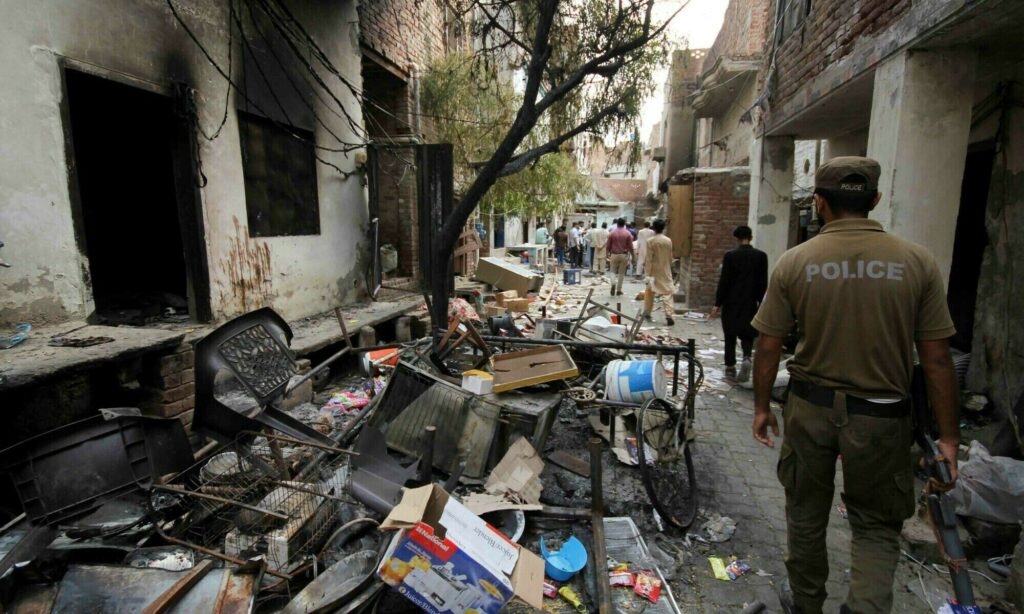
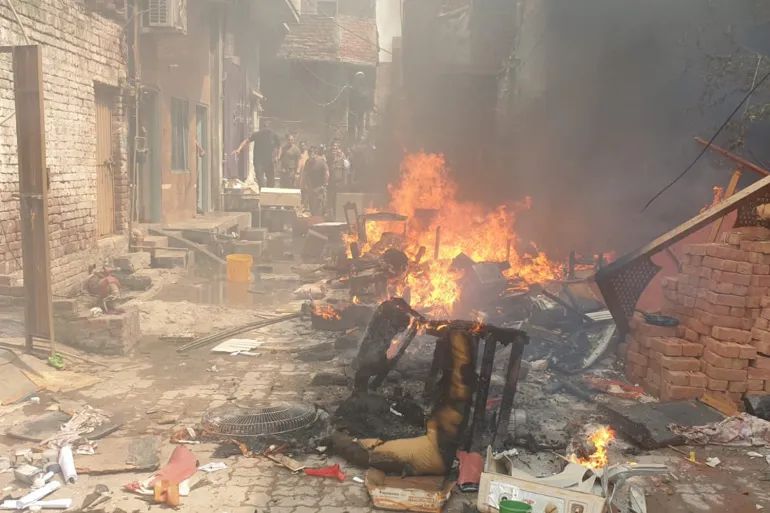
Within hours, thousands of people gathered. Churches were set on fire. Christian homes were looted and burned. Bibles were desecrated. Entire neighbourhoods were reduced to ashes. Families ran for their lives with nothing but the clothes they were wearing. The scale of the violence shocked the world. Yet, more than a year later, justice remains out of reach.
The Day the State Failed
Eyewitness accounts and video evidence showed mobs operating openly, often in daylight. Many attackers were identifiable. Despite this, law enforcement failed to intervene in time. In several videos, police officers can be seen standing by as churches burned.
The government responded quickly with statements. Condemnations were issued. Promises were made. Officials spoke of zero tolerance and assured the nation that those responsible would be punished. For a brief moment, it seemed different. Arrests were announced. Media coverage intensified. International pressure mounted. But then, slowly, the story began to disappear.
From Headlines to Silence
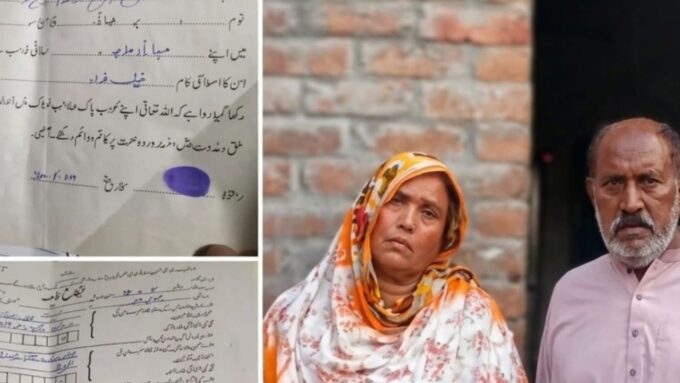
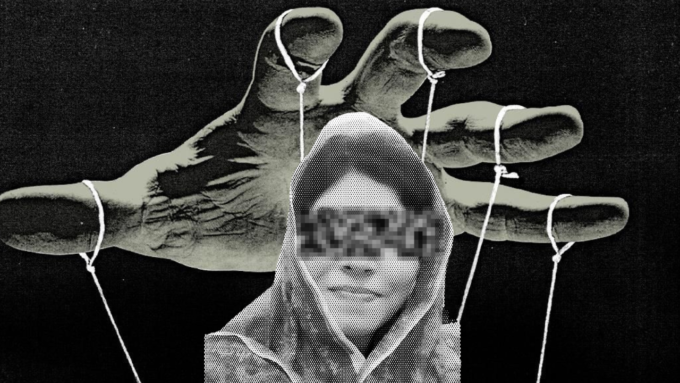
As weeks passed, cases weakened. Many of those initially arrested were quietly released. Charges were diluted. Witnesses were pressured or discouraged from testifying. Some Christian families were urged to accept “reconciliation” instead of legal accountability.
Compensation packages were announced, but for many victims, they felt less like justice and more like hush money. Money can rebuild walls, but it cannot restore dignity, security, or trust in the state. Several Christian activists and local leaders who initially spoke strongly began to soften their stance. Some accepted government roles. Others aligned themselves with official narratives. The demand for accountability was replaced with calls for “moving on”. For the victims, moving on was never an option. Their lives had already been permanently altered.
A Pattern, Not an Exction
Jaranwala was not an isolated incident. It followed a familiar pattern seen in Gojra, Joseph Colony, Shantinagar, and other attacks on Christian communities across Pakistan. A blasphemy allegation is made. Mobs mobilise. Violence erupts. The state promises justice. Time passes. Nothing changes.
Blasphemy laws remain untouched. False accusers are rarely punished. Extremist groups continue to operate freely. Minorities remain unprotected. Jaranwala simply exposed the system more clearly, in front of cameras and the international community.
The Human Cost
Behind every statistic is a human story. Children who saw their homes burn. Elderly people who lost their life savings. Families who now live in constant fear, knowing it could happen again.
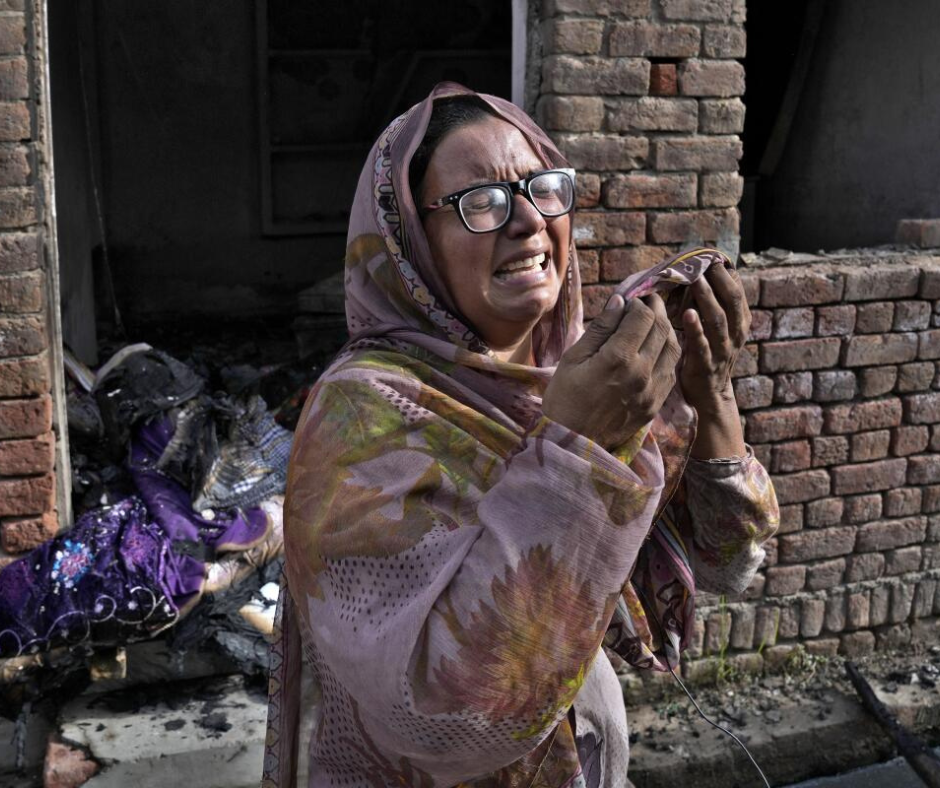
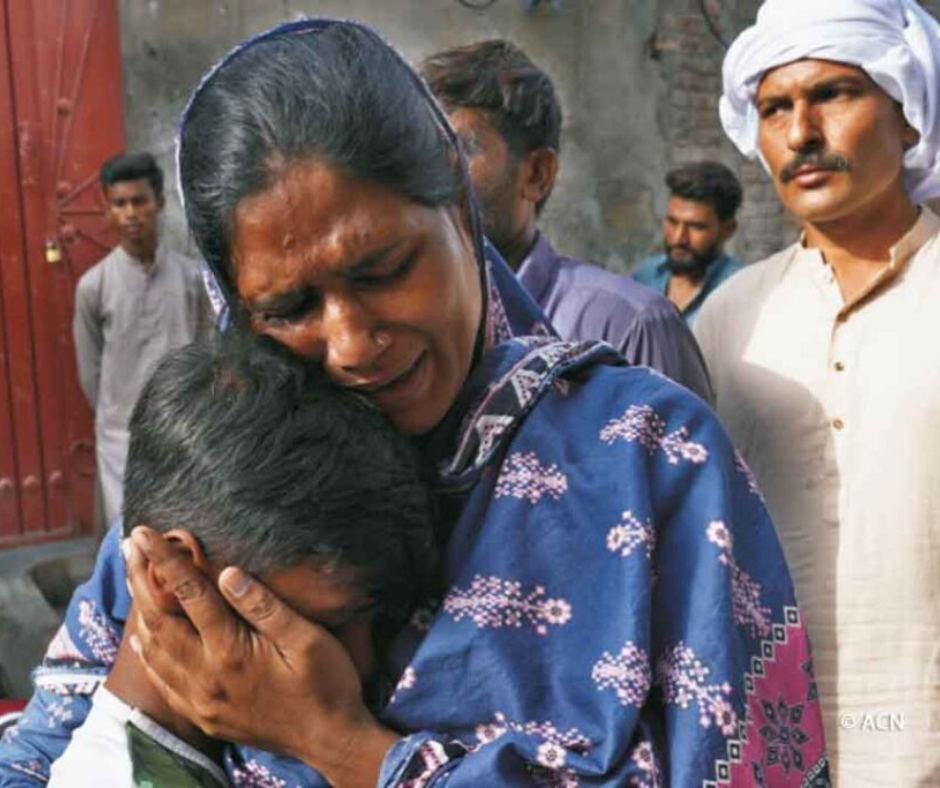
Many victims still suffer psychological trauma. Some have relocated. Others remain in the same neighbourhoods, surrounded by people who participated in or supported the attacks. Justice, for them, was not just about punishment. It was about acknowledgment. About assurance that their citizenship meant something. That assurance never came.
Government Narratives vs Ground Reality
Official reports often highlight rehabilitation efforts and restored buildings. But they rarely address the core issue: accountability.
Rebuilding churches without prosecuting attackers sends a dangerous message. It tells mobs that violence is tolerable, as long as it is loud and religiously framed. It tells minorities that their safety depends on silence, not rights. Worse still, it creates the illusion of harmony while injustice remains unresolved.
Why Justice Matters Beyond Jaranwala
The failure to deliver justice in Jaranwala does not only affect Christians. It weakens the rule of law for everyone. When mobs can overpower the state, no citizen is truly safe. Justice delayed is not neutral. It actively empowers extremists and discourages victims. It teaches future attackers that consequences are temporary and negotiable. Pakistan cannot afford that lesson. An Unfinished Chapter
Today, Jaranwala is rarely mentioned in mainstream discourse. For many officials, it is a closed chapter. For the victims, it is an open wound. Church bells ring again. Houses stand rebuilt. But beneath the surface, fear and resentment remain. Justice was promised. Justice was delayed. Justice, so far, has been denied. And until accountability replaces compensation, Jaranwala will not be remembered as an unfortunate incident, but as a reminder of how easily truth can be buried when the victims are powerless.
Sources and References:
Human Rights Watch
Amnesty International
BBC News
Al Jazeera
Open Doors World Watch List



2 Comments